
Iran Fires Missiles; Debris Injures At Least Five Indian Nationals Near KEZAD Abu Dhabi
Key Takeaways
- Iran launched ballistic missiles and drones targeting Abu Dhabi, according to multiple outlets.
- UAE air defenses intercepted the missiles; debris sparked fires and injuries near KEZAD.
- Casualty figures vary: five Indians injured; others report two deaths and three injuries.
New KEZAD debris injuries
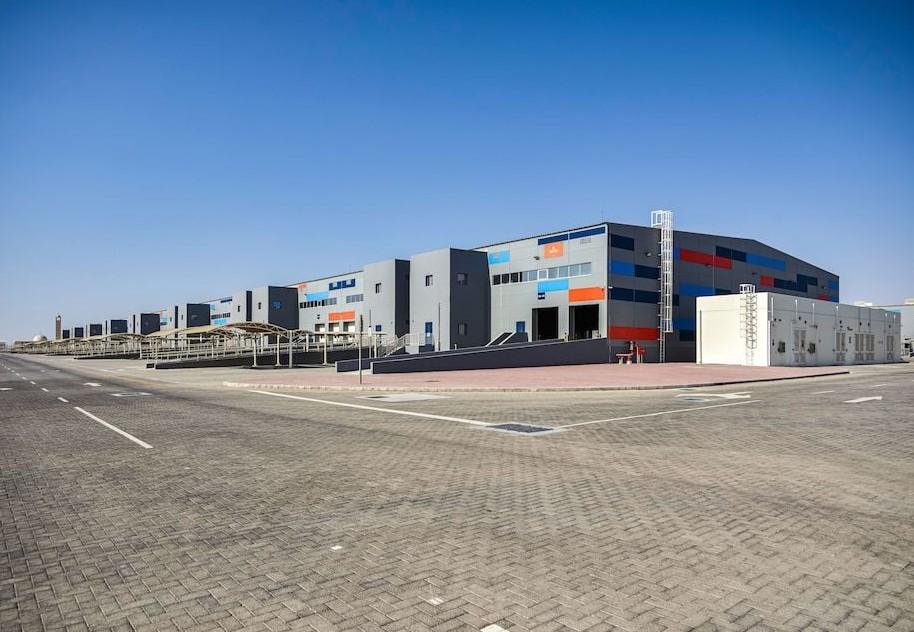
New escalation hits KEZAD: debris from intercepted Iranian missiles injured five Indian nationals near Khalifa Economic Zones Abu Dhabi on March 28, as UAE authorities said air defences repelled incoming missiles and drones.
“At CNEWS, we respect your privacy, and it is thanks to personalized advertising that we allow you to receive high‑quality information at all times, free of charge”
Official tallies vary, with multiple outlets reporting five Indian nationals injured, while The National notes six people injured by debris.
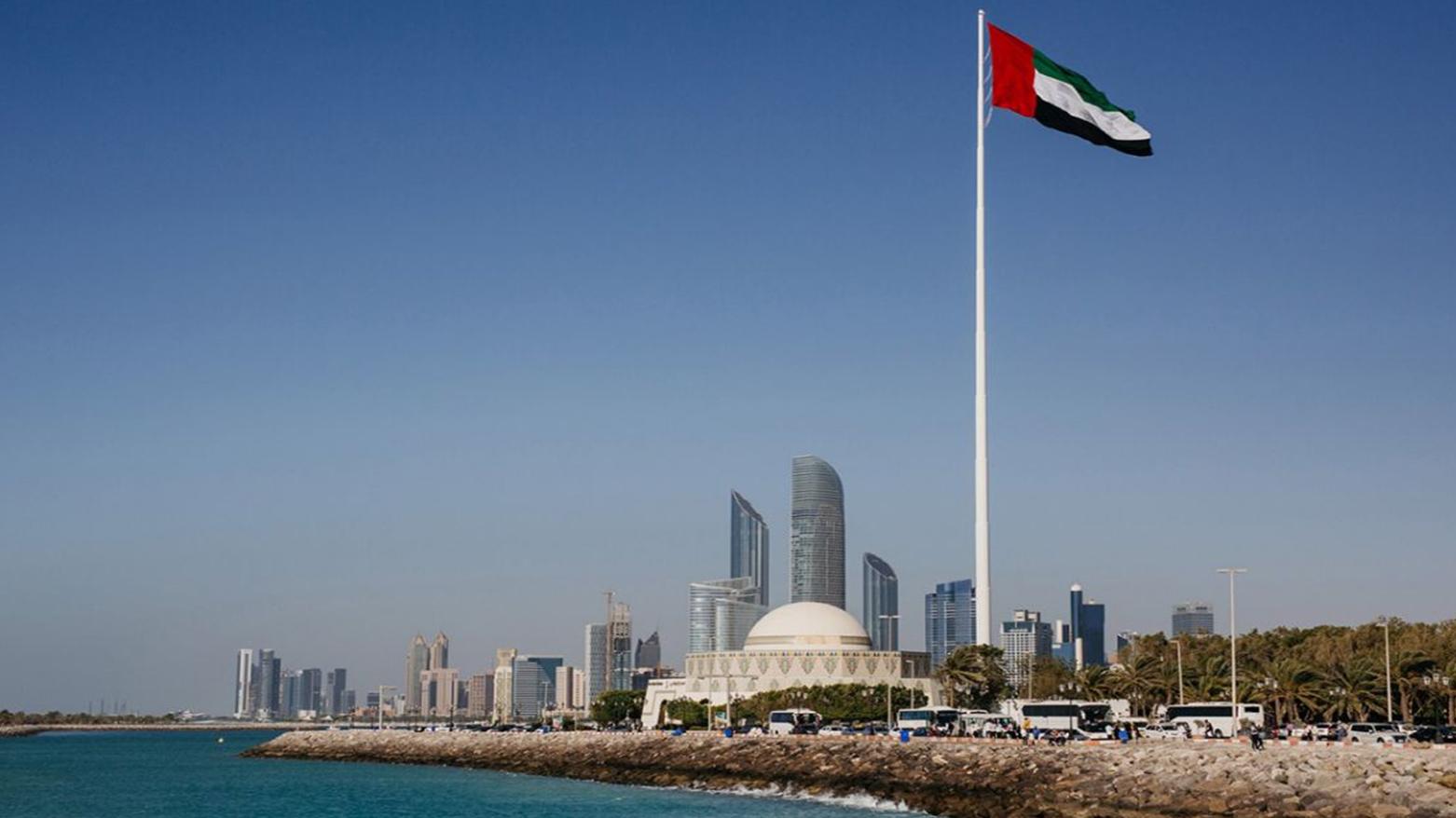
This latest incident follows the prior March 26 episode in which debris from an intercepted missile near Abu Dhabi produced fatalities and injuries, underscoring a widening civilian toll of the Iran–US–Israel confrontation in West Asia.
The reporting also highlights the danger posed by interceptor debris falling in crowded industrial zones, even when missiles are shot down.
No explicit demands yet
There is no visible, explicit demand or diplomatic proposal accompanying the new injuries; instead, coverage centers on the mechanics of interception and the widening toll, framing Tehran’s missiles as the catalyst for cross‑border debris harm.
Several reports describe the broader campaign as an escalation rather than a specific negotiation path, with outlets noting 'renewed strikes' and the ongoing war context rather than terms offered by Iran.
This absence of a stated plan in the immediate reporting shifts the focus to civilian risk and regional security consequences.
Analysts and outlets emphasize the pattern of escalation rather than a concrete diplomatic demand in Abu Dhabi.
Inconsistent casualty counts
Casualty reporting shows notable variation in numbers and nationalities, underscoring the volatility of information in a rapidly unfolding cross‑border strike environment.
“Falling Debris Kills Two in Abu Dhabi as UAE Intercepts Iranian Missile Attack Renewed strikes highlight escalating campaign targeting Emirati territory since late February ERBIL (Kurdistan24) — Two people were killed and three others injured after falling debris from an intercepted ballistic missile struck the outskirts of Abu Dhabi, authorities said on Thursday, as United Arab Emirates air defenses responded to a fresh wave of Iranian attacks”
While Indian nationals figure prominently in several reports as the injured, some outlets balance that with other casualty counts, including six injured in one update, and earlier reports of fatalities from debris in Abu Dhabi.
The pattern across multiple non‑Western and Western outlets indicates a fragmented, evolving casualty picture rather than a single confirmed tally.
This fragmentation itself becomes a story: how information is verified amid ongoing air‑defense operations and interstate conflict.
KEZAD as focal point
The development also foregrounds regional security dynamics around KEZAD, a critical industrial hub whose vulnerability to cross‑border strikes has become a focal point for Gulf security narratives.
Multiple outlets describe air‑defence activity and ongoing safety advisories as part of a broader escalation, with UAE authorities stressing the threat from missiles and drones launched from Iran and the need to rely on official channels for updates.

Analysts frame KEZAD as a pressure point where civilian infrastructure sits at the intersection of warfighting and economic activity, amplifying humanitarian risks amid a widening confrontation.
The pattern across sources highlights how a single strike can ripple through logistics hubs, foreign workers, and regional energy security in West Asia.
More on Yemen
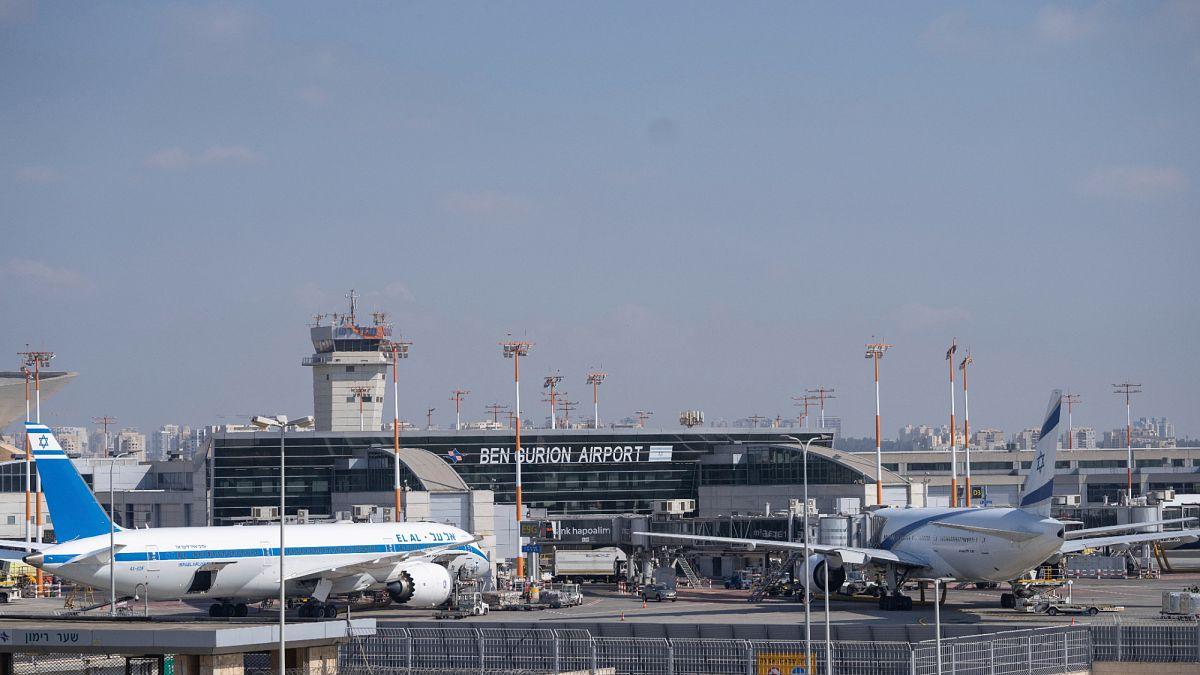
Houthis Fire Missiles At Israel, Threaten Closure Of Bab Al-Mandeb
56 sources compared

Houthis Pledge Direct Military Intervention In Israel–Iran War, Threaten Red Sea Chokepoint
15 sources compared
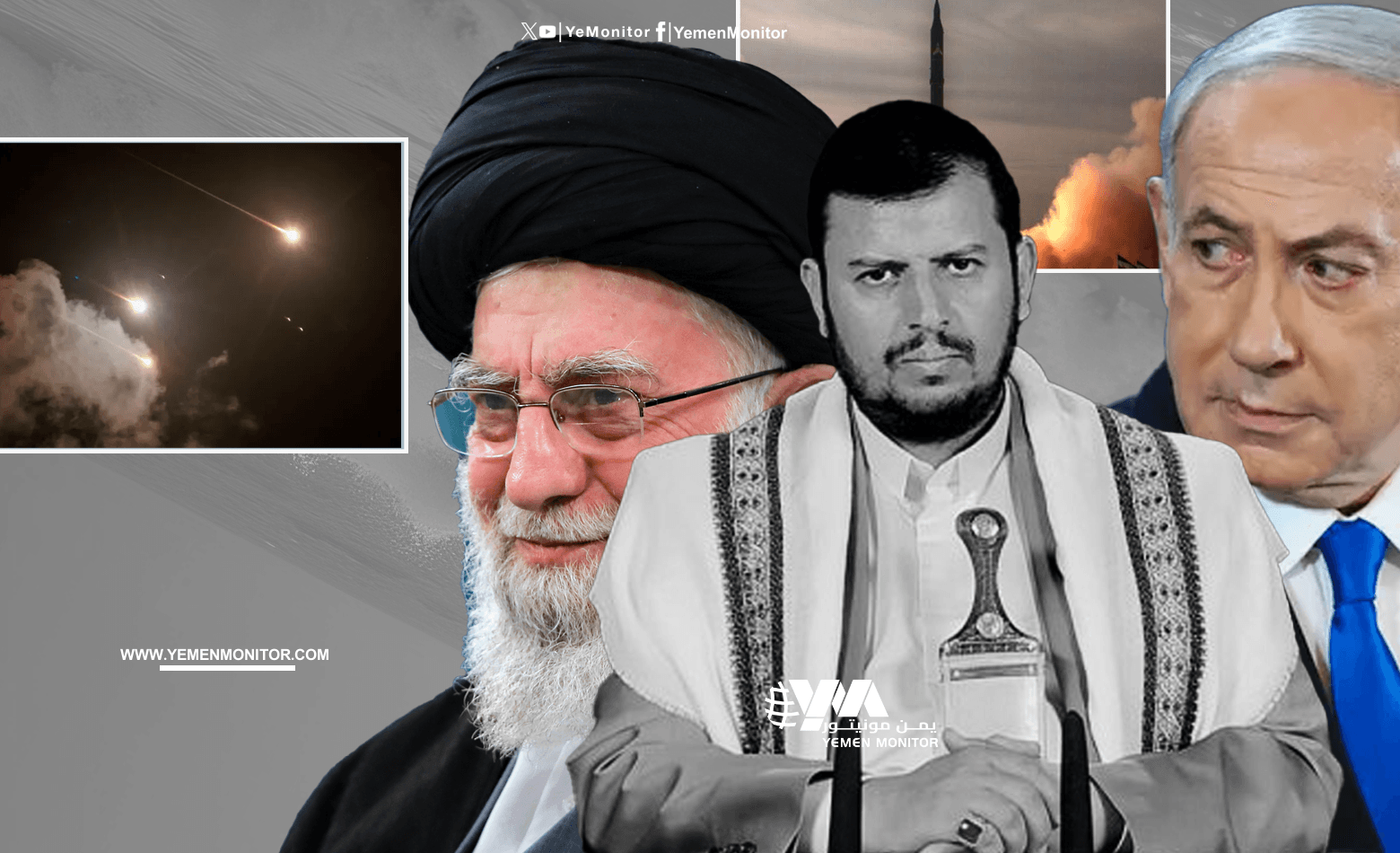
Houthis Launch First Ballistic Missile Strike On Israel, Demand Gaza Ceasefire And Yemen Siege Lift
32 sources compared

Houthis Launch First Direct Ballistic Missile Strike On Israel, Opening New Regional Front
16 sources compared