
Iran fires multi-warhead missiles at Israel in retaliation for security chief Ali Larijani's death
Key Takeaways
- Iran confirms Ali Larijani, top security chief, killed in Israeli airstrike.
- Iran launches a missile barrage at Israel in retaliation for Larijani's death.
- Two civilians killed in Ramat Gan during earlier Israeli strike.
Iranian Retaliation Begins
Iran launched a significant retaliatory missile attack against Israel in response to the assassination of Ali Larijani.
Larijani was the secretary of Iran's Supreme National Security Council and one of the Islamic Republic's most powerful figures.
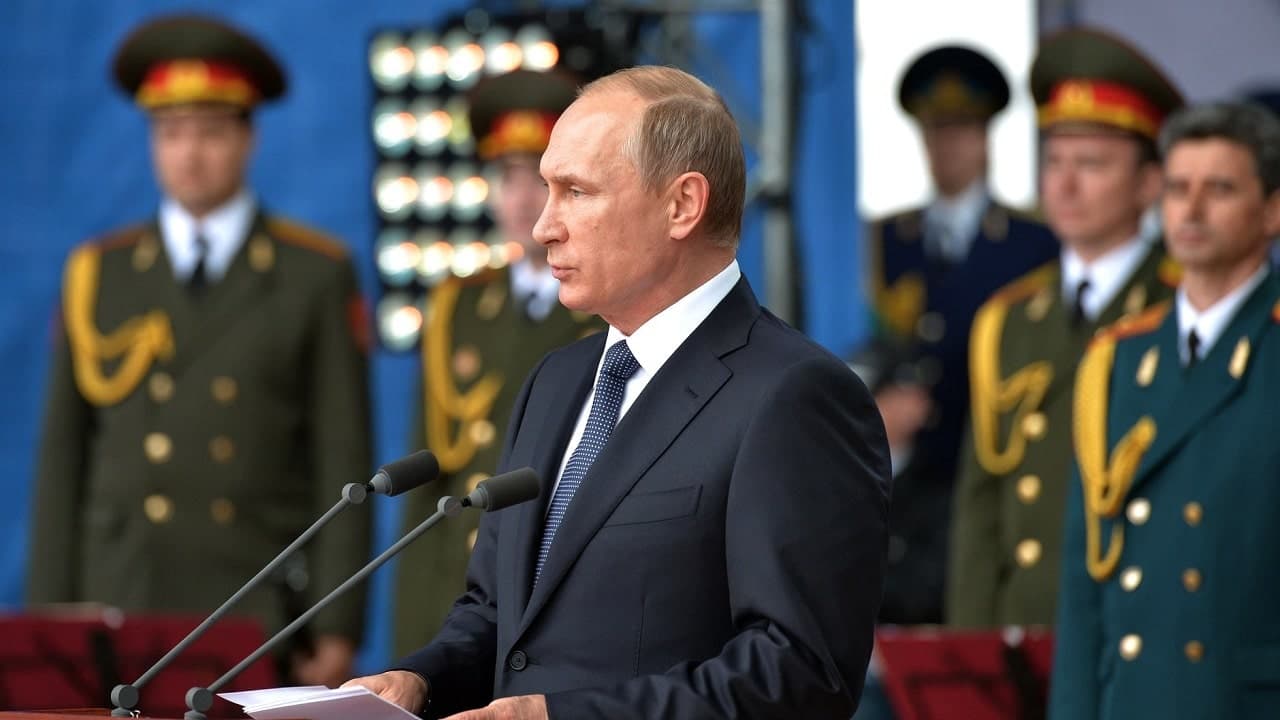
The attack came just days after Larijani was killed in an Israeli air strike on Tehran that also claimed the lives of his son and bodyguards.
The missile barrage was part of Iran's declared campaign of "unrelenting retaliation" for what it characterized as the targeted killing of a senior security official.
This retaliatory action represents a dangerous escalation in the US-Israel war with Iran, which has now entered its 19th day with no sign of abatement.
Missile Attack Details
The Iranian missile attack utilized sophisticated Khorramshahr-4 and Qadr multiple-warhead missiles specifically designed to overwhelm air defense radar systems.
These advanced weapons were fired toward central Israel, with the Iranian Revolutionary Guards moving swiftly to make good on their threats of retaliation.

The attacks resulted in casualties, with at least two people killed in Ramat Gan, east of Tel Aviv, as confirmed by Israel's medical service Magen David Adom.
Gulf nations intercepted additional rockets and drones headed for targets including US military bases in the region, demonstrating the widespread nature of the Iranian offensive.
The United States also reportedly used "bunker-buster" bombs against Iranian missile sites along the strategic Strait of Hormuz, further escalating the conflict.
Iranian Leadership Response
Iran's new Supreme Leader Mojtaba Khamenei issued a rare written statement promising severe retaliation for the killing of the nation's top security official.
“Iran has pledged “revenge” after Israeli strikes killed security chief Ali Larijani and commander of Basij paramilitary forces Gholamreza Soleimani, with Foreign Minister Abbas Araghchi saying Tehran’s political system remains strong as the war entered its 19th day”
Khamenei declared that "All blood has its price that the criminal murderers of the martyrs must pay soon," indicating a firm commitment to avenging Larijani's death.
Iran's army chief Amir Hatami warned that Tehran's response would be "decisive and regrettable" for those responsible.
The Iranian president Masoud Pezeshkian described Larijani as a "virtuous, precious, and dear brother" and warned of severe consequences for the perpetrators.
This unified response from Iran's leadership demonstrates the high strategic importance they attribute to Larijani and their determination to respond forcefully to Israeli actions.
Regional Reactions
Qatar took immediate diplomatic action, ordering Iran's military and security attaches to leave the country within 24 hours and declaring them persona non grata.
Qatar cited repeated Iranian attacks including a strike that hit Qatar's Ras Laffan gas hub, demonstrating the economic dimension of the conflict.
Oil prices surged another 6% to over $109 per barrel on international markets, increasing costs of gasoline and other goods worldwide.
Lebanon's health ministry condemned Israeli strikes that damaged three public hospitals in Nabatieh, adding to the regional humanitarian crisis.
Egypt implemented energy-saving measures and hiking fuel prices due to soaring energy costs, affecting millions during the Muslim holy month of Ramadan.
Strategic Implications
The Iranian missile attack represents a significant escalation in the ongoing military conflict between Iran and Israel, with potentially far-reaching strategic implications.
The use of multiple-warhead missiles designed to overwhelm air defense systems indicates Iran's sophisticated military capabilities and its determination to penetrate Israeli defenses.
Israeli intelligence operations have expanded beyond airstrikes to include direct psychological pressure on Iran's security leadership, with operatives contacting individual commanders and warning them against potential unrest.
The conflict has had severe humanitarian consequences, with UN officials reporting increased Israeli operations in Syria leading to debris crashes and civilian casualties.
Approximately 140,000 persons, mostly Syrians, have crossed into Syria seeking safety from Lebanese fighting, and global energy markets and regional stability are increasingly at risk.
More on Iran

Israel strikes Iran's Pars gas field as Tehran vows revenge
14 sources compared
Trump threatens to blow up South Pars gas field if Iran attacks Qatar again
10 sources compared

UAE Halts Habshan Gas Facility Operations After Debris From Intercepted Missiles
10 sources compared

Iran Threatens Gulf Energy Facilities After Israel Strikes South Pars Gas Field
11 sources compared