
Iran Foreign Minister Abbas Araghchi Shuttles Between Pakistan, Oman, and Russia as Trump Cancels Talks
Key Takeaways
- Abbas Araghchi shuttled from Pakistan to Oman, then Moscow for diplomacy.
- Trump canceled planned US envoy trip to Pakistan for Iran-war talks.
- Iran seeks US seriousness and proposes a workable framework to end the war.
Diplomacy on day 59
Iran stepped up diplomatic efforts to end its war with the United States as Foreign Minister Abbas Araghchi shuttled between Pakistan and Oman on Sunday before flying to Russia on Monday, according to Al Jazeera.
“Iran has stepped up diplomatic efforts to end the war with the United States, with Foreign Minister Abbas Araghchi shuttling between Pakistan and Oman on Sunday before flying to Russia on Monday”
Al Jazeera’s timeline for day 59 says Araghchi arrived in Saint Petersburg early on Monday and was expected to meet Russian President Vladimir Putin, citing Russian and Iranian state media.

Al Jazeera also reports that Araghchi said discussions would cover bilateral ties and regional issues, including the US-Israel war on Iran, and that Iran and Oman, as coastal states of the Strait of Hormuz, had agreed to continue expert-level consultations to ensure safe transit and protect shared interests in the waterway.
Axios adds that Iran gave the U.S. a new proposal to reopen the Strait of Hormuz and end the war, with nuclear negotiations postponed for a later stage, citing a U.S. official and two sources with knowledge.
The BBC reports that Trump cancelled a planned trip by U.S. officials to Pakistan for talks on the Iran war on Saturday, shortly after Tehran’s delegation had left Islamabad, and that Trump said if Iran wanted to talk “all they have to do is call”.
In the same BBC account, Trump said the ceasefire would hold on Saturday despite hopes of another round of face-to-face talks fading, and he told Axios, “No, it doesn’t mean that. We haven’t thought about it yet.”
Nuclear and the strait
Across the accounts, the Strait of Hormuz and Iran’s nuclear programme remain the two main sticking points, with Al Jazeera saying the issues are “the issues of Iran’s nuclear programme and access to the crucial Strait of Hormuz”.
Al Jazeera reports that the Strait of Hormuz “remains under de facto Iranian blockade,” while Axios describes the Iranian proposal as focusing on solving the crisis over the strait and the U.S. blockade first, with nuclear negotiations starting only at a later stage after the strait was open and the blockade lifted.
Axios says the U.S. wants Iran to suspend uranium enrichment for at least a decade and remove its enriched uranium from the country, and it frames the dispute as a stalemate in which Iranian leadership is divided about what nuclear concessions should be on the table.
The BBC similarly describes the standoff as involving the Strait of Hormuz and “Tehran’s nuclear ambitions,” and it says the U.S. increased its naval presence in the strait to block Iranian oil exports, through which roughly a fifth of the world’s oil supply passes.
In Al Jazeera’s reporting, the IRGC said it had “no intention of unblocking the Strait of Hormuz,” adding, “Controlling the Strait of Hormuz and maintaining the shadow of its deterrent effects over America and the White House’s supporters in the region is the definitive strategy of Islamic Iran,” on its official Telegram channel.
PBS and the Associated Press account adds that Iran’s joint military command warned that if the U.S. continues “naval blockades, banditry, and piracy” it will face a “strong response,” while also noting that Trump ordered the military to “shoot and kill” small boats that could be placing mines.
Trump, Araghchi, and mediators
The diplomatic push is paired with sharp messaging from Washington and Tehran, with Trump publicly dismissing travel and insisting on leverage.
“Trump cancels US envoys' trip to Pakistan for talks on Iran war Donald Trump cancelled a planned trip by US officials to Pakistan for talks on the Iran war on Saturday, shortly after Tehran's delegation had left Islamabad”
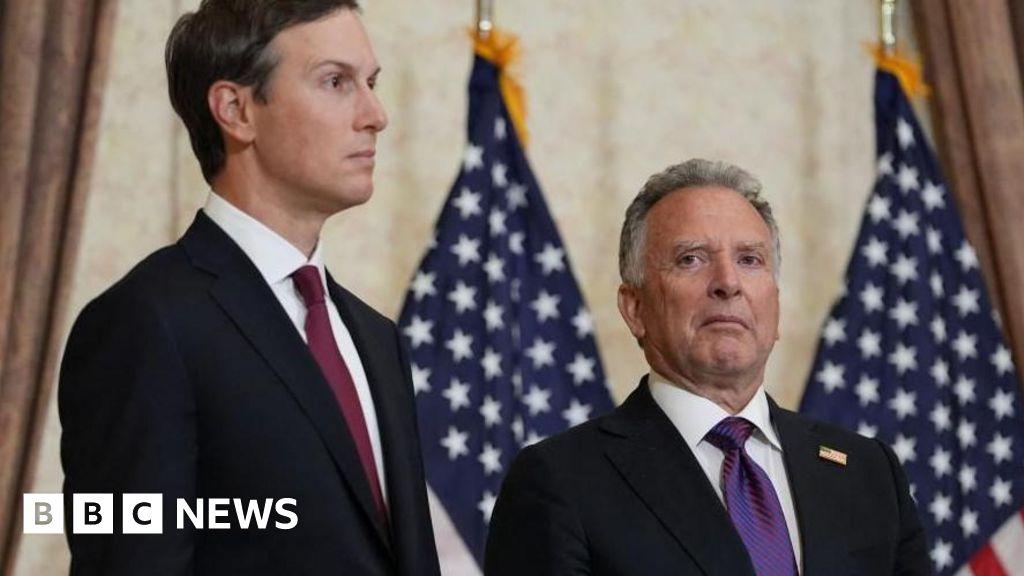
Al Jazeera reports that Trump said on Sunday Iran could telephone if it wanted to negotiate an end to the two-month US-Israel war on Iran after scrapping a visit to Islamabad by his representatives Steve Witkoff and Jared Kushner.
The BBC provides Trump’s direct line that “all they have to do is call!!!” and also quotes him saying he cancelled the envoys’ trip because “tremendous infighting and confusion” within Iran’s leadership meant “nobody knows who is in charge, including them”.
Axios describes Trump telling Axios that he cancelled the trip because “I see no point of sending them on an 18-hour flight in the current situation. It's too long. We can do it just as well by telephone.”
Axios also says Trump expected a Situation Room meeting on Iran on Monday with his top national security and foreign policy team, according to three U.S. officials.
On the Iranian side, Araghchi told social media that he had shared Iran’s position on a “workable framework to permanently end the war on Iran” and that he had “yet to see if the U.S. is truly serious about diplomacy,” as reflected in PBS and the BBC.
Competing narratives and framing
The sources diverge in how they frame the same diplomatic moment, especially around whether talks are failing, stalling, or moving toward a framework.
PBS says “The latest ceasefire talks between the United States and Iran appeared to fail Saturday before they began,” and it describes Tehran’s top diplomat leaving Pakistan and Trump telling envoys not to travel to Islamabad.
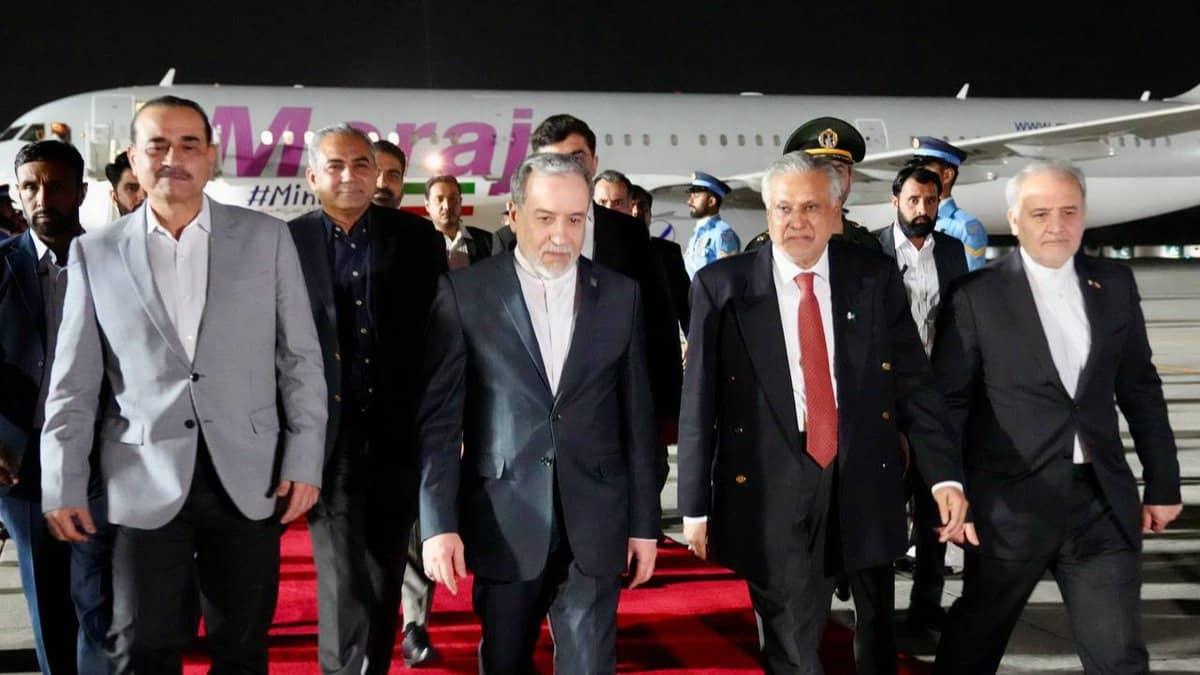
By contrast, Al Jazeera’s day-59 account emphasizes continuing diplomacy, describing Araghchi’s “very productive” talks in Islamabad and reporting that “there needs to be a permanent end to hostilities,” citing an Al Jazeera diplomatic source in Islamabad.
Axios depicts the situation as a stalemate but highlights a concrete Iranian proposal delivered via Pakistani mediators, saying the plan would bypass the nuclear issue en route to a faster deal and that the White House has received the proposal, though it is unclear whether the U.S. will explore it.
The BBC frames the diplomatic breakdown as Trump cancelling the envoys’ trip after Tehran’s delegation left Islamabad, while also noting that diplomatic efforts had stalled despite Trump’s extension of a ceasefire due to expire on 22 April to allow talks to continue.
The BBC also includes Trump’s insistence that “We haven't thought about it yet” when asked whether the cancelled trip meant the war would resume, while PBS focuses on the negotiations “meant to follow historic face-to-face talks earlier this month” between the U.S., led by Vice President JD Vance, and Iran, led by parliament speaker Mohammad Bagher Qalibaf.
What comes next
The next steps described by the sources center on continued diplomacy, potential meetings, and the risk that the Strait of Hormuz remains closed while military threats persist.
“Iran’s Foreign Minister Abbas Araghchi left for Moscow after Pakistan talks with Army Chief Asim Munir, as he shared a “workable framework to end the war”, and questioned US commitment to diplomacy amid US-Israel tensions”
Al Jazeera says Araghchi is expected to meet Russian President Vladimir Putin in Saint Petersburg and that discussions will include the US-Israel war on Iran, while it also reports that Iran’s IRGC has “no intention of unblocking the Strait of Hormuz.”
Axios says Trump is expected to hold a Situation Room meeting on Iran on Monday, and it describes the Iranian proposal as focusing on reopening the strait and ending the war first, with nuclear negotiations postponed until later.
PBS adds that the negotiations were meant to follow historic face-to-face talks earlier this month between the U.S., led by Vice President JD Vance, and Iran, led by parliament speaker Mohammad Bagher Qalibaf, and it notes that Trump announced an indefinite extension of the ceasefire with Iran while the economic fallout grows as global shipments are disrupted by the near-closure of the Strait of Hormuz.
The BBC reports that the ceasefire had been due to expire on 22 April and that Trump said the ceasefire would hold on Saturday despite hopes of another round of face-to-face talks fading.
With the Strait of Hormuz still a central lever, the sources also report that the U.S. maintains a blockade on Iranian ports and that Trump ordered the military to “shoot and kill” small boats that could be placing mines, while Iran’s joint military command warns of “strong response” if the U.S. continues “naval blockades, banditry, and piracy.”
More on Iran

Iran Offers U.S. Deal To Reopen Strait of Hormuz, End War, Postpone Nuclear Talks
11 sources compared

Oil Prices Rise as US-Iran Peace Talks Stall, Strait of Hormuz Tensions Grow
13 sources compared

King Charles III and Queen Camilla Begin Four-Day US State Visit With Trump Tea
10 sources compared

Oil Prices Rise as US-Iran Peace Talks Stall and Strait of Hormuz Remains Constrained
14 sources compared