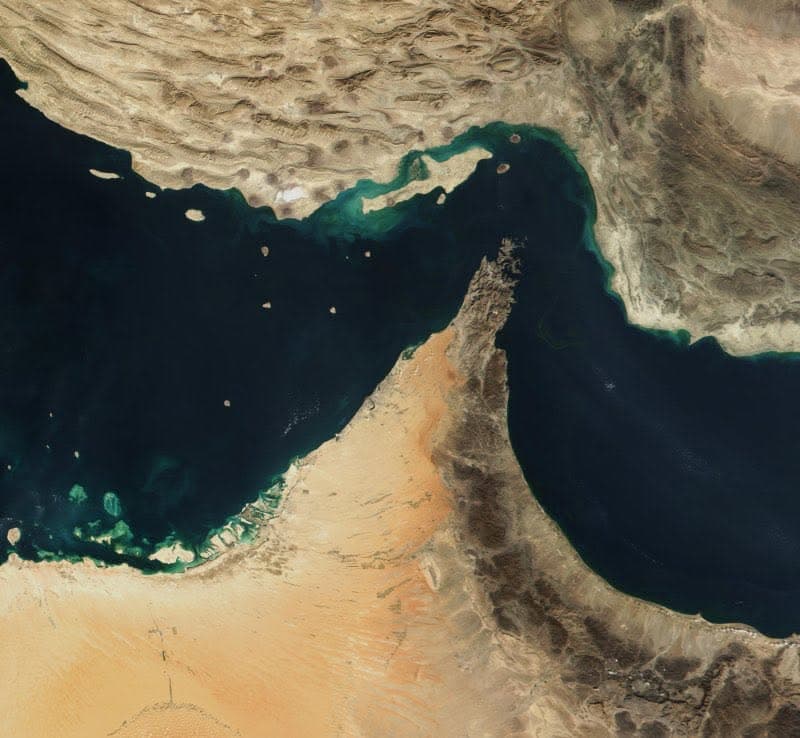
Iran Guarantees Safe Passage for Indian Ships Through Strait of Hormuz
Key Takeaways
- Iran guaranteed safe transit for India-bound ships through the Strait of Hormuz.
- The assurance was explicitly framed as reflecting close, friendly Iran–India relations.
- The guarantee was issued amid rising West Asia conflict and heightened maritime security concerns.
Formal assurance given
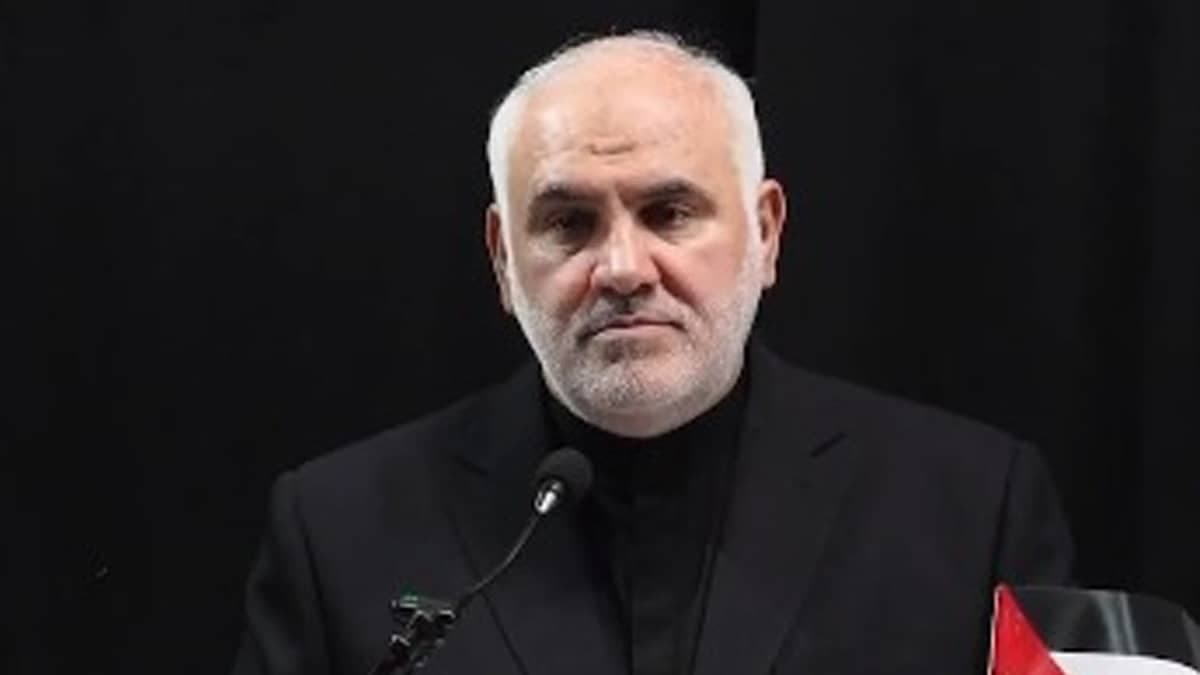
Iran’s Ambassador to India, Mohammad Fathali, publicly assured in New Delhi that Tehran will guarantee safe passage for Indian vessels through the strategic Strait of Hormuz, repeatedly describing India as a friend and emphasising shared regional interests.
“Yes, Iran's ambassador to India stated that Indian vessels will have safe passage through the Strait of Hormuz”
Multiple Indian and regional outlets reported Fathali’s direct pledge that Indian ships would receive unhindered navigation and not face problems while transiting the waterway.

Tension and energy context
Reporters and outlets framed the assurance against the backdrop of heightened regional tensions and concerns about maritime security and energy supplies; several sources linked the pledge to disruptions in energy markets and to India’s energy-security calculations.
Coverage noted that the Strait of Hormuz is a critical energy corridor and that any disruption there can affect global oil shipments.

Operational specifics
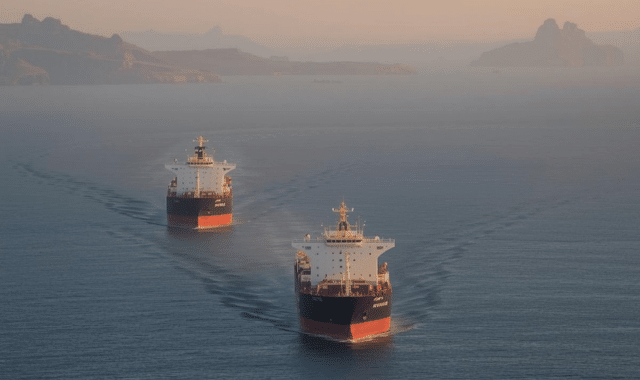
Several reports included operational details and near-term indicators: Pragativadi and Times Kuwait noted that two LPG tankers bound for India were cleared to transit and quoted the ambassador saying safe passage could be provided within “two or three hours.”
“Iran's Ambassador to India, Mohammad Fathali, on Friday said that Tehran will ensure safe passage to vessels bound for India through the Strait of Hormuz amid the ongoing conflict in West Asia, citing ‘friendly relations’ between the two nations”
Outlets repeatedly said Indian vessels would not face difficulties while navigating the route, signalling an immediate, actionable pledge rather than a vague assurance.
Diplomatic signalling
Observers and the reporting highlighted the diplomatic framing: Iran explicitly cast the move as a sign of bilateral friendship and shared interests, and Times Kuwait pointed to recent high-level talks between leaders as part of that diplomatic backdrop.
Multiple outlets presented the assurance as both a practical safety measure and a demonstration of Iran’s intent to maintain stable ties with India during regional turmoil.
Implications and aims
Reports emphasised implications for maritime security and energy markets: outlets warned that disruptions in the Strait would have material effects on global shipments and noted that Tehran’s public pledge was aimed at reassuring India and wider markets while urging broader efforts to resolve regional tensions and restore stability.
“In a move reminiscent of classic "resort politics," the Odisha unit of the Indian National Congress has”
Coverage framed the assurance as a practical reassurance to protect economic interests amid an ongoing conflict that has already impacted energy flows.
More on Iran
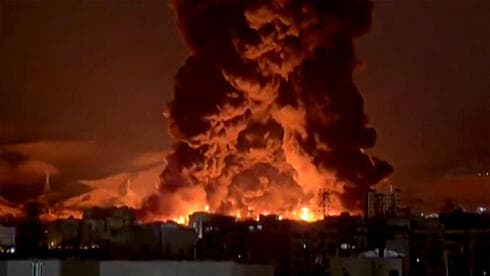
US obliterates military targets on Iran’s Kharg Island, Trump warns
13 sources compared

US Deploys About 2,500 Marines to Middle East After Iran Attacks Gulf Shipping
33 sources compared
FBI Warns of Iranian Drone Plot Based on Unverified Tip; California Says No Credible Threat
10 sources compared

White House Demands ABC Retract Report Claiming Iran Sought To Launch Drone Attacks On California
11 sources compared