
United States strikes Iran as Iran attacks Persian Gulf shipping, oil prices surge
Key Takeaways
- U.S. and Israeli strikes pound Iran amid ongoing US-Iran war.
- Iran attacks Persian Gulf shipping and energy infrastructure, escalating regional tensions.
- Oil prices rise due to the conflict's impact on energy markets.
Escalating Military Conflict
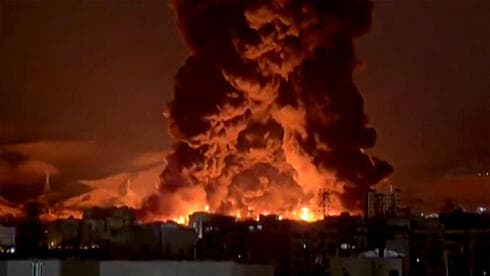
The United States has launched intense military strikes against Iran while Iran simultaneously attacks shipping and energy infrastructure in the Persian Gulf.
“US-Iran War Latest News: Global Economic Impact Analysis By Muflih Hidayat on March 14, 2026”
These attacks have caused oil prices to surge above $100 per barrel.
American and Israeli forces have been pounding the Islamic Republic, with strikes targeting Tehran and areas surrounding Iran's capital.
Iran retaliates by striking neighboring Arab Gulf States.
The escalating conflict has created a volatile situation in the region.
Both sides engage in tit-for-tat military actions that threaten regional stability and global energy markets.
The US strikes represent a significant escalation in tensions between the two countries.
This escalation comes after decades of geopolitical friction between the nations.
Humanitarian Crisis
The humanitarian toll of the rapidly escalating conflict is severe.
Millions of people have been displaced and hundreds killed across multiple countries.
The UN refugee agency reports that up to 3.2 million people in Iran have been forced to flee their homes.
In Lebanon, authorities report that 800,000 people have been displaced.
These displacements occur as Israel's military operations target buildings linked to Iran-backed Hezbollah militants.
The casualty figures are stark and widespread.
More than 600 people have been killed in Lebanon.
Over 1,300 deaths have occurred in Iran.
Israel has reported at least a dozen casualties.
These numbers represent the human cost of a conflict that continues to intensify with no immediate end in sight.
Economic Impact
The economic cost of the first week of the conflict has been substantial.
“US-Iran War Latest News: Global Economic Impact Analysis By Muflih Hidayat on March 14, 2026”
The United States has incurred expenses of $11.3 billion according to Pentagon figures.
The strikes and counter-strikes have disrupted global energy markets.
Oil prices have spiked above the $100 per barrel mark.
This price surge reflects market concern about Persian Gulf oil supply stability.
The region is critical to global energy security.
President Trump has taken a confrontational stance toward Iran.
He has posted provocative messages on his Truth Social platform.
These messages emphasize military action and threaten further escalation.
His statement about being the '47th President' and killing Iranians reflects the administration's hardline approach.
Regional Consequences
The conflict has significant regional implications, particularly for Lebanon.
Israel's military operations targeting Hezbollah-linked infrastructure have caused massive displacement and destruction.
The US strikes on Iran represent a coordinated effort with Israeli forces.
This indicates a unified front against what they perceive as Iranian regional aggression.
The Persian Gulf attacks by Iran demonstrate asymmetric warfare strategy.
Iran targets economic interests rather than direct military confrontation.
The situation remains fluid with 'no sign of an end to the war.'
Both sides appear prepared for a prolonged conflict.
Regional stability is increasingly threatened.
The violence spreads and intensifies across multiple fronts.
More on Iran
US obliterates military targets on Iran’s Kharg Island, Trump warns
13 sources compared

US Deploys About 2,500 Marines to Middle East After Iran Attacks Gulf Shipping
33 sources compared
FBI Warns of Iranian Drone Plot Based on Unverified Tip; California Says No Credible Threat
10 sources compared

White House Demands ABC Retract Report Claiming Iran Sought To Launch Drone Attacks On California
11 sources compared