
Iran Jolts Energy Markets, Sends Oil Soaring and Reshuffles Global Economic Winners, Losers
Key Takeaways
- Global energy prices spiked, reshuffling winners and losers
- Europe’s economy staggers while the U.S. holds steady and Russia benefits financially
- Economic outlooks hinge on how long the war continues, given attacks disrupting energy routes
Conflict and scenarios
The outbreak of war involving Iran has jolted energy markets and reshaped which countries gain or lose economically, with analysts offering two main scenarios depending on how long the fighting lasts.
“EnglishInternational Iran war jolts energy markets, reshapes global economy's winners and losers Energy shock reshuffles fortunes as Europe staggers, the U”
Chosunbiz says “Geopolitical risk stemming from Iran is shaking the global economic landscape,” while Investopedia stresses the central uncertainty: “All economic forecasts now hinge on one question: how long will the Iran war last?”

The Times of India frames the consequences as uneven, noting U.S. insulation but not immunity: “Over the past decade, the shale revolution has turned the US into a net exporter of energy, reducing its exposure to external oil-related shocks.”
Prices and inflation
Oil prices have spiked sharply: Brent closed above $100 a barrel and gasoline costs have risen for consumers, intensifying inflationary pressure.
Investopedia reports that “the price of Brent crude oil closed above $100 a barrel for the first time since August 2022,” while The Times of India documents consumer impact: “Since the tensions in the Middle East escalated, the cost of regular unleaded gasoline has risen by about 20%.”
%3Amax_bytes(150000)%3Astrip_icc()%2FGettyImages-2265538318-2686a7fc43e741d982f4ca1fba56758b.jpg&w=3840&q=75)
Chosunbiz cites macro projections that link such price rises to slower growth and higher inflation, noting Goldman Sachs’ warning that “if oil tops $100 per barrel, global economic growth will fall by 0.5 percentage points (P) and inflation will jump by nearly 1 percentage point.”
Winners and losers
Regional impacts are asymmetric: the Gulf faces reputational and direct economic damage even as some producers profit, Europe is especially vulnerable to higher energy costs, and Russia may enjoy windfall gains.
“The US-Israel-Iran war has lasted for over 10 days - and with no signs of either side relenting the global economy is feeling the ripple effects of conflict”
Chosunbiz warns the Gulf’s image and growth are at risk, quoting the Wall Street Journal: “This conflict is also damaging the Gulf's image as a 'stable investment destination,'” and cites Capital Economics’ estimate that the Gulf region could suffer large contractions.
The Times of India highlights that “In a scenario where oil prices rise, Gulf countries end up as beneficiaries,” but also flags broader Middle East peril under the headline “Middle East at a precipice.”
Investopedia emphasises the strategic choke point, noting that with “20% of global oil flowing through the Strait of Hormuz, prolonged disruption could push inflation higher and slow growth,” which would disproportionately hit energy-importing Europe.
U.S. resilience and risks
The United States shows greater resilience thanks to shale gains and net-exporter status, but domestic inflation and sectoral pain remain real risks.
The Times of India explains that the U.S. has been “insulated, though not really immune!” and that the shale revolution has “turned the US into a net exporter of energy.”
Chosunbiz notes U.S. defenses have strengthened but still faces internal shocks: “The United States has bolstered its resilience to oil shocks over the past decade by expanding shale oil production and transforming into a 'net energy exporter.'”
Investopedia adds that the longer the conflict endures, the bigger the hit to inflation and growth, implying U.S. consumers and industries could see tighter budgets and higher input costs.
Scenarios and outlook
Forecasters present optimistic and pessimistic pathways: a short conflict could see prices and growth normalise by summer, while a prolonged closure of the Strait of Hormuz or sustained strikes could trigger lasting supply shocks, higher inflation, and uneven global slowdown.
“EnglishInternational Iran war jolts energy markets, reshapes global economy's winners and losers Energy shock reshuffles fortunes as Europe staggers, the U”
Chosunbiz describes two scenarios—one where “the war ends early and energy prices normalize by summer” and a pessimistic path with persistent disruptions;
Investopedia stresses that the “Strait of Hormuz remained effectively closed,” amplifying downside risk;
The Times of India cites analyses suggesting modest U.S. inflation and growth impacts if Brent averages near $80, but warns that outcomes hinge on duration and spillovers to tourism and investment in the Gulf.
More on Iran
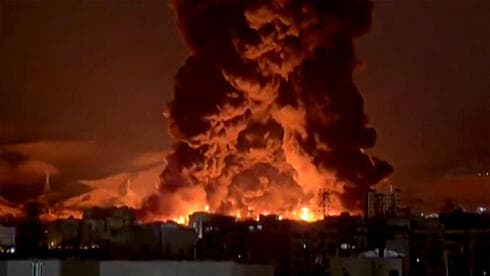
US obliterates military targets on Iran’s Kharg Island, Trump warns
13 sources compared
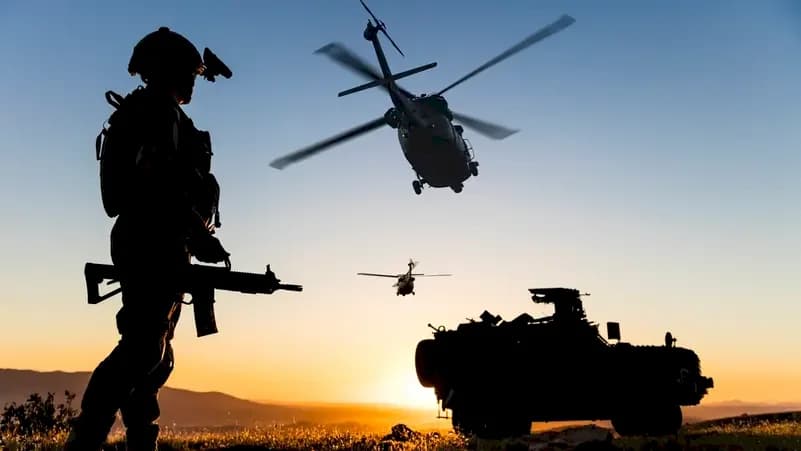
US Deploys About 2,500 Marines to Middle East After Iran Attacks Gulf Shipping
33 sources compared
FBI Warns of Iranian Drone Plot Based on Unverified Tip; California Says No Credible Threat
10 sources compared

White House Demands ABC Retract Report Claiming Iran Sought To Launch Drone Attacks On California
11 sources compared