Iran Launches Deadly Missile Attacks on Israel and Gulf States
Key Takeaways
- Iran missiles struck Qatar's Ras Laffan Industrial City, causing extensive damage and fire; no casualties.
- Iran warned evacuation of key oil and gas facilities across Saudi Arabia, UAE, and Qatar.
- The strikes followed an Israeli attack on Iran's Pars gas field, escalating Gulf energy tensions.
Retaliatory Strikes Begin
Iran launched deadly missile attacks across multiple fronts in response to Israeli strikes that killed senior Iranian officials.
“Iran issues warning of possible attacks on oil facilities in Saudi Arabia, UAE, Qatar Iran's Islamic Revolution Guard Corps (IRGC) on Wednesday issued an evacuation warning for several oil facilities in Saudi Arabia, the United Arab Emirates (UAE) and Qatar, the semi-official Mehr news agency reported”
The attacks targeted Israel and several Gulf states, marking a significant escalation in the ongoing regional conflict.

Iran's Revolutionary Guard Corps warned of 'urgent evacuation' orders for people near key energy facilities in Saudi Arabia, Qatar, and the United Arab Emirates.
The guards declared these sites 'legitimate targets' for retaliation against Israeli actions.
The attacks came after Israeli Defense Minister Israel Katz announced 'significant surprises' and confirmed the killing of Iran's Intelligence Minister Esmaeil Khatib.
Other senior Iranian officials killed included Ali Larijani and Gen. Gholam Reza Soleimani.
Iranian President Masoud Pezeshkian condemned the assassinations as 'cowardly' and expressed deep mourning over the deaths.
Gulf Infrastructure Targeted
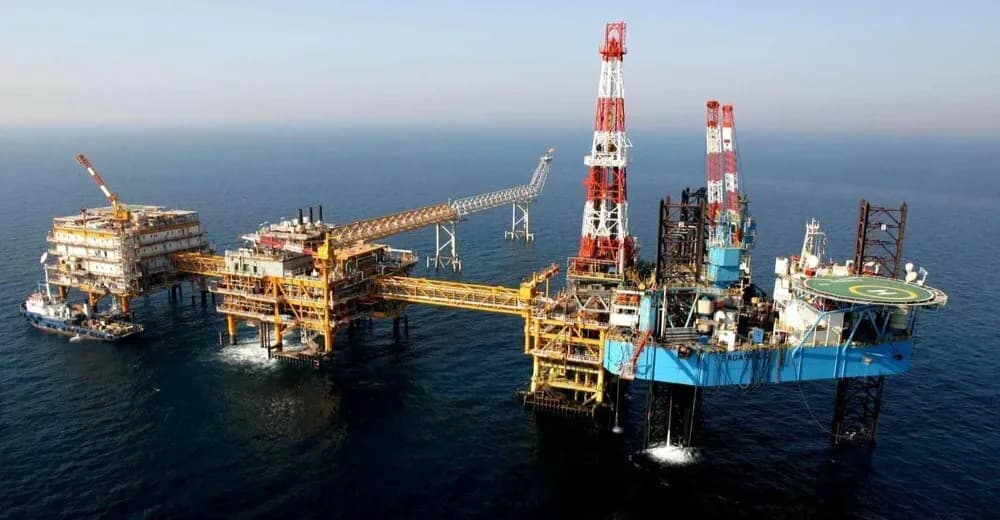
Iran's missile campaign struck multiple Gulf states with coordinated attacks on energy infrastructure.
Targets included Saudi Arabia's Eastern Province, home to many of its oil fields, as well as Kuwait, Bahrain, Qatar and the United Arab Emirates.

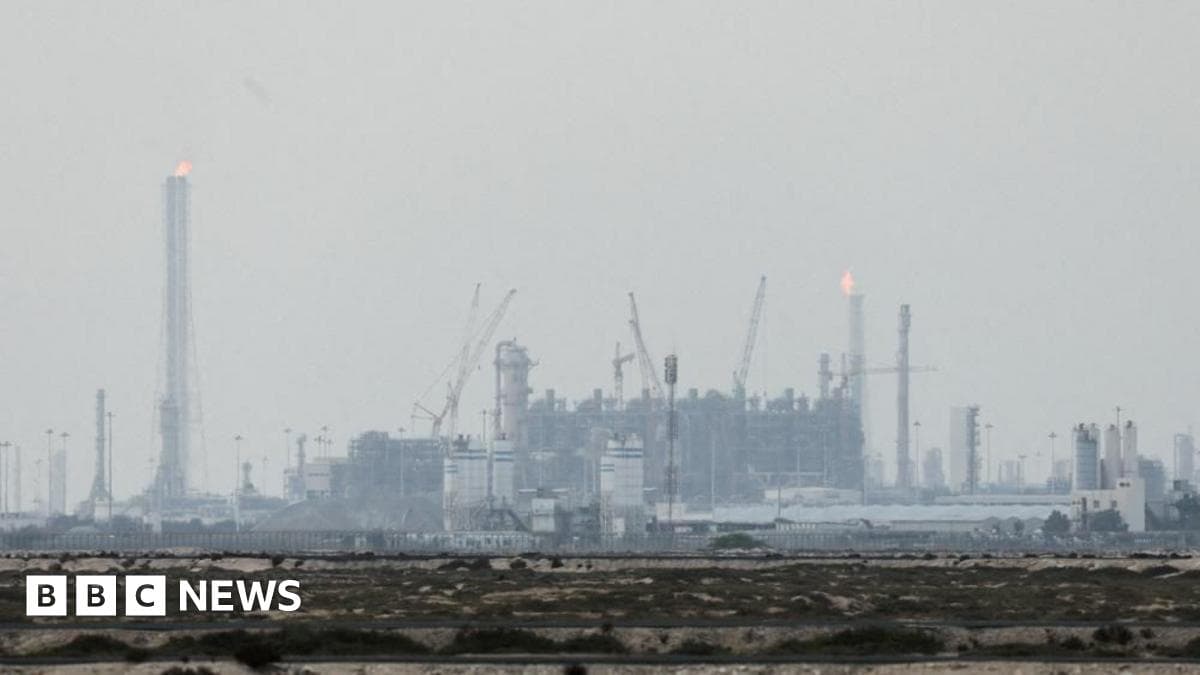
In Qatar, missiles hit the Ras Laffan Industrial City, causing extensive damage to the country's key energy hub and sparking massive fires.
QatarEnergy confirmed the attack targeted the world's largest liquefied natural gas export facility.
Saudi Arabia reported intercepting four ballistic missiles bound for Riyadh, with debris causing injuries to four residents.
The UAE faced 13 ballistic missiles and 27 drones, with explosions reported over Dubai.
Iran's Khatam Al-Anbiya military command identified specific energy facilities as legitimate targets for retaliation.
Israel Directly Targeted
Iran launched multiple-warhead missiles targeting central Israel, specifically using Khorramshahr-4 and Qadr missiles designed to evade defense systems.
“Qatar’s Ministry of Interior says civil defence teams are responding to a fire at the country’s main gas facility after an Iranian attack”
Footage from The Associated Press showed missiles releasing cluster munitions over Israel.
The attacks killed two people near Tel Aviv in Ramat Gan.
Iran's Revolutionary Guard stated the missile launches were specifically to avenge the killing of Ali Larijani.
Ali Larijani was secretary of Iran's Supreme National Security Council and one of the country's most powerful figures.
Israeli military spokesman Brig. Gen. Effie Defrin announced that Israel 'will continue chasing all of the regime's senior officials'.
Iranian Foreign Minister Abbas Araghchi warned that Israel's actions would not destabilize Iran's political structure.
Casualties Mount
The missile attacks caused significant casualties and infrastructure damage across multiple countries.
In Lebanon, Israeli airstrikes killed at least 10 people and wounded dozens, including a journalist with Hezbollah's AL-Manar TV.

Iran reported at least 1,300 people killed since the conflict began on February 28, according to the Iranian Red Crescent.
Israeli strikes have displaced more than 1 million Lebanese people, roughly 20% of the population.
The U.S. military reported 13 service members killed and around 200 wounded since the war started.
The attacks on energy infrastructure caused oil prices to surge, with Brent crude climbing to around $108 a barrel.
The damage to critical energy facilities raised concerns about prolonged disruption to global energy supplies.
Global Condemnation
The international community reacted strongly to the escalating conflict, with multiple countries condemning the attacks.
“Frank Gardner Security correspondent reporting from Doha, Qatar The moment my phone vibrated this evening with the shrill security alert from the Qatari government I suspected this may be connected to the promised missile strike by Iran on its neighbours”
The Kremlin sharply criticized Israel's killing of senior Iranian officials, calling the strikes a violation of Iran's sovereignty.
France criticized both Hezbollah and Israel, calling the latter's response 'disproportionate.'
NATO increased deployments, sending additional Patriot missile systems to Turkey amid rising spillover risks.
The UAE and Qatar both denounced the attacks as 'dangerous and irresponsible' escalations that put global energy security at risk.
Arab and Islamic foreign ministers were scheduled to meet in Riyadh to discuss regional security.
Russia announced it was considering redirecting energy supplies away from Europe due to the energy shocks caused by the conflict.
Energy Crisis Looms
The attacks triggered significant economic consequences, with oil prices soaring and global markets reacting nervously.
Brent crude prices rose around 5% to above $108 per barrel, while stock markets veered lower.
The disruption to energy flows through the Strait of Hormuz caused widespread concern.
Iraq suspended operations at its main oil terminal and reached a deal to export 250,000 barrels of crude oil daily via pipeline to Turkey.
Saudi Arabia began bypassing the Strait of Hormuz by sending oil by pipeline across the country to Red Sea ports.
U.S. President Donald Trump expressed frustration that no allies had stepped forward to help reopen the strait.
The attacks represented a dangerous expansion of the conflict into the heart of the Gulf's energy infrastructure.
More on Iran

Israel strikes Iran's Pars gas field as Tehran vows revenge
14 sources compared
Trump threatens to blow up South Pars gas field if Iran attacks Qatar again
10 sources compared
UAE Halts Habshan Gas Facility Operations After Debris From Intercepted Missiles
10 sources compared

Iran Threatens Gulf Energy Facilities After Israel Strikes South Pars Gas Field
11 sources compared