Full story
Ship Seizure Sparks Drone Response
The crisis began when the U.S. Navy attacked and seized an Iranian-flagged cargo vessel near the Strait of Hormuz, an incident Iran’s military denounced as a ceasefire violation and responded to by launching drones against American ships.
“repeated warnings" for six hours”
El Mundo reported that Donald Trump announced on Sunday that the U.S. Navy attacked and seized an Iranian-flagged cargo vessel attempting to breach the naval blockade of Hormuz, and that the U.S. Armed Forces said they issued "repeated warnings" for six hours before ordering the evacuation of the ship's engine room and firing shots to disable its propulsion.
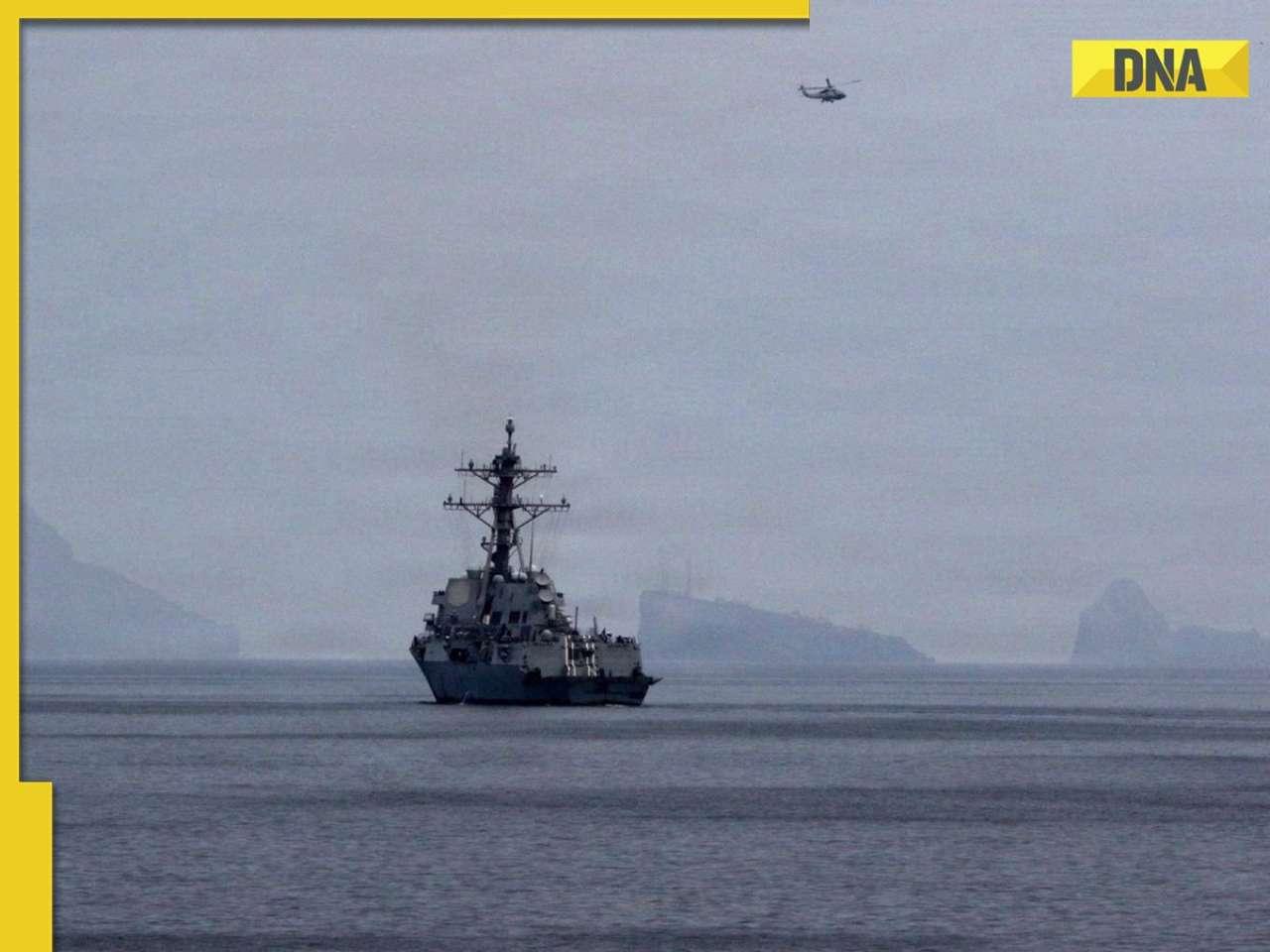
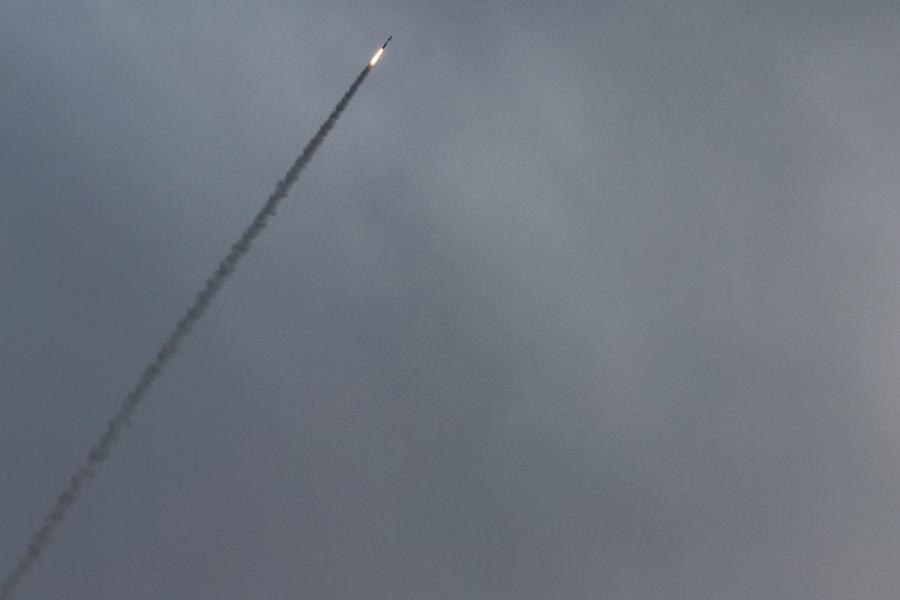
El Mundo also said the Iranian Army spokesman called the attack a "marine piracy act" and added that "after the U.S. attack, Iranian forces also attacked American military ships with drones," without providing further details.
Firstpost described the same sequence as retaliation, saying Iran launched drones against U.S. warships in the Gulf of Oman after the seizure of the cargo ship Touska, citing state-run Tasnim news agency.
Türkiye Today added operational detail, reporting that the destroyer USS Spruance intercepted the ship while it was sailing toward Bandar Abbas at a speed of 17 knots, then ordered the evacuation of the engine room before firing rounds from its MK 45 gun to disable the vessel.
In parallel, Radio Free Europe/Radio Liberty framed the moment as a direct challenge to the ceasefire, saying US forces "have fired at and seized an Iranian-flagged ship" in the Gulf of Oman while Iran threatened to retaliate.
Ceasefire, Warnings, and Delegations
The drone-and-seizure exchange unfolded as diplomatic talks remained uncertain, with Pakistan preparing for a possible second round of face-to-face meetings while Iran said it had no plans to attend.
El Mundo America said Iran’s Foreign Ministry spokesperson Ismail Bagaei told reporters, "At the moment, we have no plans for the next round of negotiations, and no decision has been made in this regard," as reported by Efe.
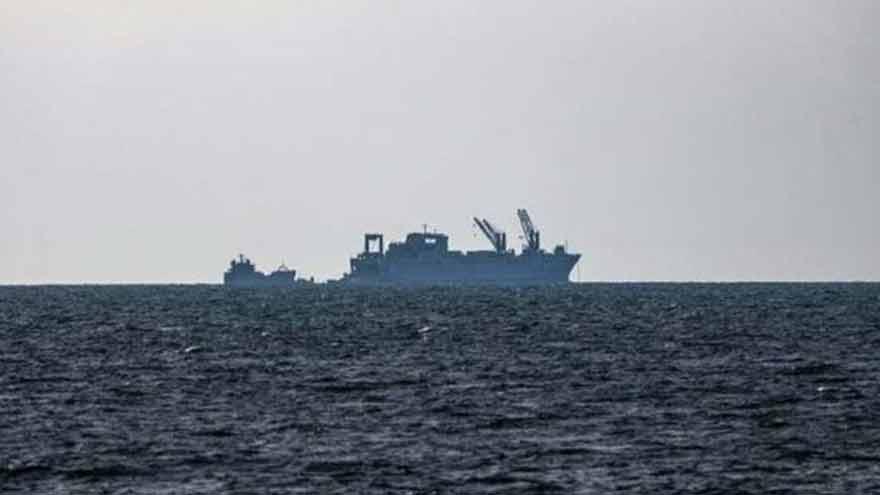
Radio Free Europe/Radio Liberty reported that there was continued uncertainty over a potential second round of Pakistani-hosted talks in Islamabad after Iranian state media said Tehran would not be sending its team for an April 20 session, and it added that IRNA wrote that Iran’s absence stems from what it called "Washington's excessive demands, unrealistic expectations, constant shifts in stance, repeated contradictions, and the ongoing naval blockade".
El Mundo also described Pakistan’s posture, saying Islamabad shut down its capital this Monday with "total closure of offices and schools in its diplomatic zone" to host possible contacts between the United States and Iran, with the Iranian embassy in Islamabad not yet commenting on sending negotiators.
It further said Pakistan’s Interior Minister Mohsin Naqvi met with the head of the U.S. mission, Natalie Baker, to finalize a security arrangement keeping movement restricted in the "Red Zone," and that all private, governmental offices and educational centers in the area remained closed by administrative order.
Radio Free Europe/Radio Liberty added that the ceasefire was due to expire on April 22, describing a 10-day cease-fire agreed by Washington and Tehran nearing its expiration date of April 22.
Iran’s Position on Hormuz Control
Iran’s leadership framed the confrontation not only as a response to the seizure but also as a matter of sovereignty over the Strait of Hormuz, insisting it would not relinquish control.
“Iran will never give up control of the Strait of Hormuz because it is an "inalienable right" of Tehran”
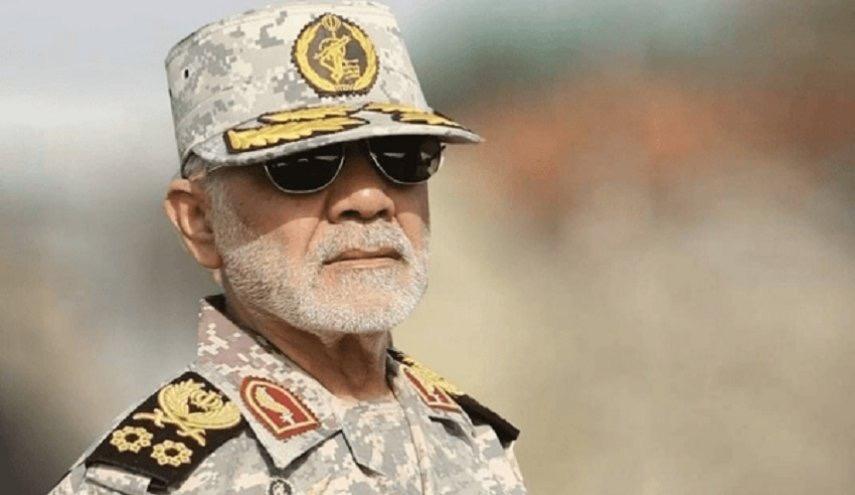
El Mundo America quoted Ebrahim Azizi, former commander of the Islamic Revolutionary Guard Corps (IRGC) and president of the National Security and Foreign Policy Committee of Parliament, saying, "Iran will never give up control of the Strait of Hormuz because it is an "inalienable right" of Tehran."
It added that Azizi stated, "Iran will decide on passage rights, including permits for ships to transit through the strait," describing it as a matter "about to be established by law."
WION’s account tied the same sovereignty argument to a threat of punishment for shipping, quoting a statement carried by Tasnim News Agency that said, "Simultaneously with the announcement of Iran's naval blockade by the US, Iran has completely closed the Strait of Hormuz, and any ship or tanker passing through the area without Iran's permission will be punished by Iranian forces."
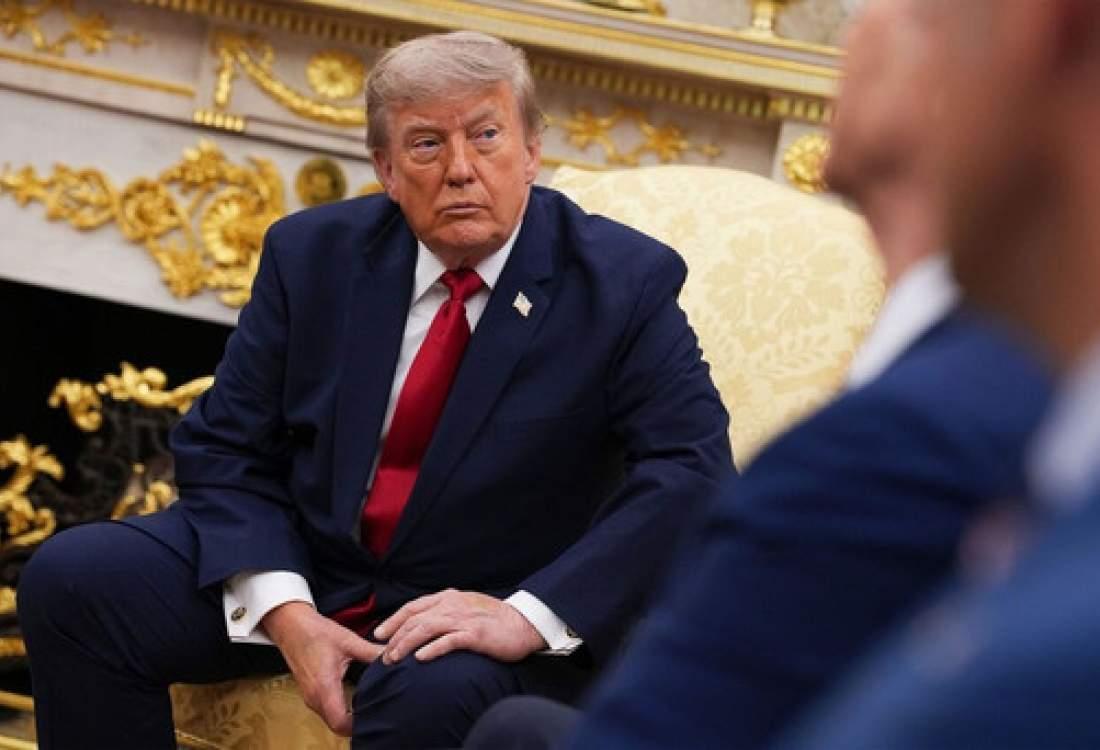
WION also quoted Trump’s Truth Social post, including that the U.S. destroyer USS SPRUANCE intercepted Touska and that "Right now, US Marines have custody of the vessel," while describing the ship as under U.S. Treasury sanctions.
Radio Free Europe/Radio Liberty added that earlier in the week there were hopes the Strait of Hormuz would open after Tehran announced it was open to commercial shipping traffic, but it reported that Iranian forces fired upon at least three civilian ships and announced the reclosing of the strait.
Oil Prices and Shipping Disruptions
The maritime confrontation and the state of the Strait of Hormuz carried immediate economic implications in the sources, with oil prices rising and shipping schedules affected.
El Mundo reported that major shipping companies managed to recover cruise ships that had remained blocked in the Middle East for more than a month, saying that five ships successfully crossed the Strait of Hormuz, which would allow companies to resume their summer schedules and avoid multi-million losses.
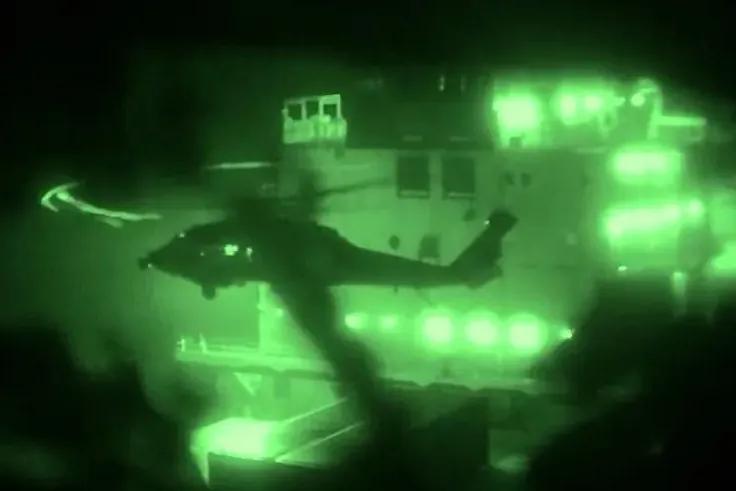
It specified that Mein Schiff 4 and Mein Schiff 5 of TUI Cruises; Discovery and Journey of Celestyal Cruises; and Euribia of MSC Cruises completed the passage between the Persian Gulf and the Gulf of Oman, and it said Celestyal was the first to perform the maneuver with the Discovery, followed later by the rest of the fleet.
El Mundo also said that following the reopening of the strategic passage last noon of April 17, the ships opted for the Suez Canal route to reach the Mediterranean as quickly as possible, describing the operation as an "operational relief" for the companies.
In parallel, El Mundo America and Reuters-style reporting in the same package said Brent crude oil for June delivery surged more than 5% on Monday and exceeded $95 per barrel in the London futures market amid new tensions between the United States and Iran.
Radio Free Europe/Radio Liberty added that earlier hopes for reopening were undercut when Iranian forces fired upon at least three civilian ships and announced the reclosing of the strait.
Executions and Regional Warnings
While the sources centered on the Gulf of Oman confrontation and talks in Pakistan, they also reported parallel actions and warnings that broadened the regional picture.
“The death sentences of Mohamad Masoom-shahi and Hamed Validi were carried out this morning”
El Mundo America said Iran executed two men on Monday convicted of alleged links to Israeli espionage, stating, "The death sentences of Mohamad Masoom-shahi and Hamed Validi were carried out this morning," as reported by the Mizan website of the judiciary.

It also included a separate regional warning from the Israeli army, saying it urged residents of southern Lebanon to avoid restricted areas and not to travel south of a certain line of villages or approach areas near the Litani River, citing what it described as persistent Hibullah activity, and quoting military spokesperson Avichay Adraee asking the civilian population not to return to several border towns until further notice.
El Mundo America further reported that Ebrahim Azizi said Tehran would continue dialogue with Washington, stating, "it depends on whether Tehran receives positive signals," when asked by Al Jazeera if Iran would send a mediation team to Islamabad.
Firstpost described the ceasefire as being pushed to the brink by the attack and counter-attack, saying the two-week ceasefire that Pakistan brokered earlier this month will expire on Wednesday, and it reported that Trump said the delegation will arrive in Islamabad on Monday evening.
WION added a threat from Trump about striking infrastructure, quoting that he warned Iran that “the United States is going to knock out every single power plant and every single bridge in Iran” if it does not accept his terms.