
U.S. Readies Global Boarding of Iran-Linked Ships, Expands Naval Blockade Worldwide
Key Takeaways
- U.S. expands blockade beyond the Middle East to board and seize Iran-linked ships worldwide.
- Iran threatens to close the Strait of Hormuz if the blockade continues.
- Some Iran-linked ships have crossed the blockade; others have been seized for breaches.
Blockade expands worldwide
The United States expanded its naval blockade on vessels coming in and out of Iranian ports to a wider global area, setting the stage for U.S. forces to pursue and board Iran-linked ships anywhere on the high seas.
Fortune reported that the Islamic Revolutionary Guard Corps warned ships in the Persian Gulf that vessels of any type or nationality will be destroyed if they try to cross the narrow waterway, as the Strait of Hormuz became “more of a combat zone again.”
Fortune also said the Pentagon announced on Thursday that interdiction would expand beyond ships entering or leaving Iranian ports to include “any Iranian-flagged vessel or any vessel attempting to provide material support to Iran.”
The Hill described internal planning in which the U.S. military was “readying to board ships linked to Iran and seize commercial vessels in international waters in the coming days,” while The Hill said the planning came as the military was already enforcing the naval blockade in the Gulf of Oman and turning back 23 vessels.
BBC reported that President Donald Trump said the blockade of Iranian ports “will stay in place” after Iran’s foreign minister said the Strait of Hormuz would be open for the duration of the ceasefire, and BBC added that the blockade line “applies to all ships, regardless of nationality, heading into or from Iranian ports.”
In parallel, BBC Verify analysis of ship-tracking data suggested that at least four Iran-linked vessels tracked from Iranian ports crossed a U.S. blockade line in the Gulf of Oman, including vessels named Shabdis, Tava 4, Azargoun, and Ashkan3 25278.
Hormuz opens, then tightens
The blockade expansion unfolded alongside a shifting control battle over the Strait of Hormuz, with Iran and the United States trading claims about whether the waterway was open or under strict management.
Fortune said the regime asserted its control over strait after Iran’s foreign minister and President Donald Trump declared it fully open on Friday, while Fortune also reported that Iran has said the strait will not reopen until the U.S. lifts its naval blockade, which Trump said will remain in place until a deal is reached.

The Hill described a reversal in which Iran announced the waterway had been fully reopened to commercial shipping late on Friday, a move that caused oil prices to drop dramatically, but by Saturday Iranian forces tightened control again, attacking several vessels and declaring the waterway under Iran’s “strict control.”
The Hill quoted an IRGC spokesperson saying, “It is announced that until the US ends its obstruction of the full freedom of movement of vessels from and to Iran, the situation in the Strait of Hormuz will remain under strict control and in its previous state.”
BBC reported that Abbas Araghchi said the strait “is declared completely open for the remaining period of ceasefire,” which BBC said is due to expire on 22 April, and BBC added that Trump wrote on Truth Social that “The naval blockade will remain in full force and effect as it pertains to Iran, only.”
Fortune further described the operational environment as the Strait of Hormuz became “more of a combat zone again,” closing off ship traffic and keeping the global economy mired in an energy crisis.
Legal debate and enforcement
As the U.S. moved to pursue Iranian-flagged vessels and ships attempting to provide material support to Iran, maritime and military law experts raised questions about how far a blockade can extend and what makes it legally enforceable.
The New York Times said the U.S. declared it would pursue any ship aiding Iran “regardless of location on the high seas or flag,” and it quoted Gen. Dan Caine saying, “will actively pursue any Iranian-flagged vessel or any vessel attempting to provide material support to Iran.”
The New York Times framed the expansion as raising “legal and practical questions,” and it included James R. Holmes, chair of maritime strategy at the Naval War College, saying, “War is a messy thing not just on the combat side but under national and international law.”
Holmes also told the Times, “From a legal standpoint, a blockade is an act of war, so the blockade probably is legal to the extent Operation Epic Fury is,” while noting that “undeclared wars are more the rule than the exception in U.S. history.”
The Business Times added that under international law the legality is “more ambiguous,” and it quoted Jennifer Kavanagh saying a blockade must be “effective,” meaning it is both enforceable and enforced.
In parallel, BBC Verify reported that the U.S. Navy has said it will intercept ships it suspects of carrying “contraband” including oil, petroleum products, weapons, munitions and nuclear material linked to Iran, while BBC Verify also said the general had told reporters the U.S. had not had to board any ships.
Voices clash over piracy and pressure
The reporting also featured direct, opposing statements from U.S. officials and Iranian officials about what the blockade and any boarding actions represent, and about what Iran will do in response.
The Hill quoted an IRGC spokesperson warning, “It is announced that until the US ends its obstruction of the full freedom of movement of vessels from and to Iran, the situation in the Strait of Hormuz will remain under strict control and in its previous state,” and it also included President Donald Trump telling reporters, “They wanted to close up the strait again, as they’ve been doing for years.”

The Hill said Trump also signaled that the U.S. could “drop bombs again” on Tehran if a long-term deal is not reached, and it reported that the two-week ceasefire set to end on Wednesday was nearing its deadline.
In a separate account, ميدل ايست اونلاين said the U.S. military fired upon a cargo ship flying the Iranian flag as it was approaching Bandar Abbas port, and it quoted Trump writing, “We now have full control of their vessel, and we are checking what is on board.”
The same source quoted an Iranian warning that “We warn that the Armed Forces of the Islamic Republic of Iran will respond soon and avenge this armed piracy committed by the U.S. military.”
Meanwhile, Al Arabiya Business quoted Zenith Enterprises head Amro Qataya arguing that “Blocking the strait or boarding ships is a violation of maritime law,” and it said he ruled out that the opening was for passing a certain number of ships under an agreement between Iran and the owning countries.
What happens next
The sources portray a campaign that is both escalating and tightly linked to the ceasefire timeline, with multiple outlets describing preparations for boarding, continued enforcement, and the possibility of further military action.
Fortune said Navy ships in the Central Command area of operations have already forced dozens of ships to turn around after they attempted to cross the strait, and it added that Lloyd’s List Intelligence said at least five Iran-linked tankers heading to Malaysia changed course to avoid the U.S. Navy.

The Hill said the U.S. military was already enforcing the naval blockade in the Gulf of Oman and turning back 23 vessels, and it described the expanded enforcement as coming as Iran has effectively closed the strait, a vital shipping pathway responsible for the transport of roughly 20 percent of the world’s oil supply.
BBC reported that the blockade began on Monday and that the ceasefire due to expire on 22 April was a focal point for the U.S.-Israel war with Iran after Tehran effectively choked off one of the world’s most important shipping lanes.
BBC Verify said the U.S. Navy has not had to board any ships yet, even as it tracked vessels crossing the blockade line, and it said Centcom told BBC Verify it had “nothing to add” to what Gen Dan Caine said at Thursday’s briefing.
Looking further ahead, The Hill reported that Trump’s two-week ceasefire was set to end on Wednesday and that he convened a White House Situation Room meeting early Saturday to discuss Iran, while Fortune said the U.S. military is preparing to board Iran-linked ships and seize commercial ships in international waters.
More on Iran
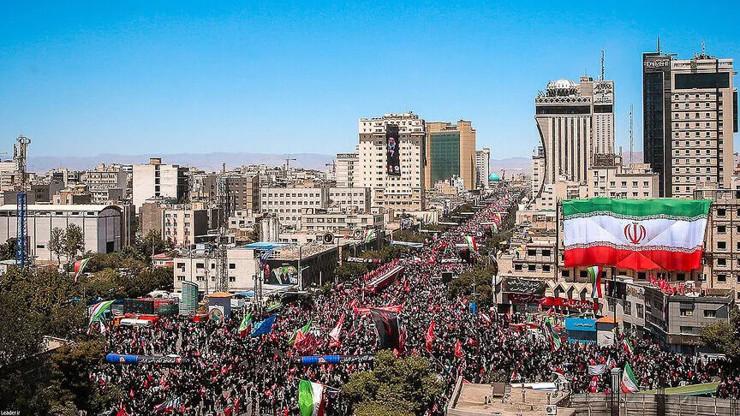
Israeli Strike Kills Ayatollah Ali Khamenei, Buried at Imam Reza Shrine in Mashhad
19 sources compared
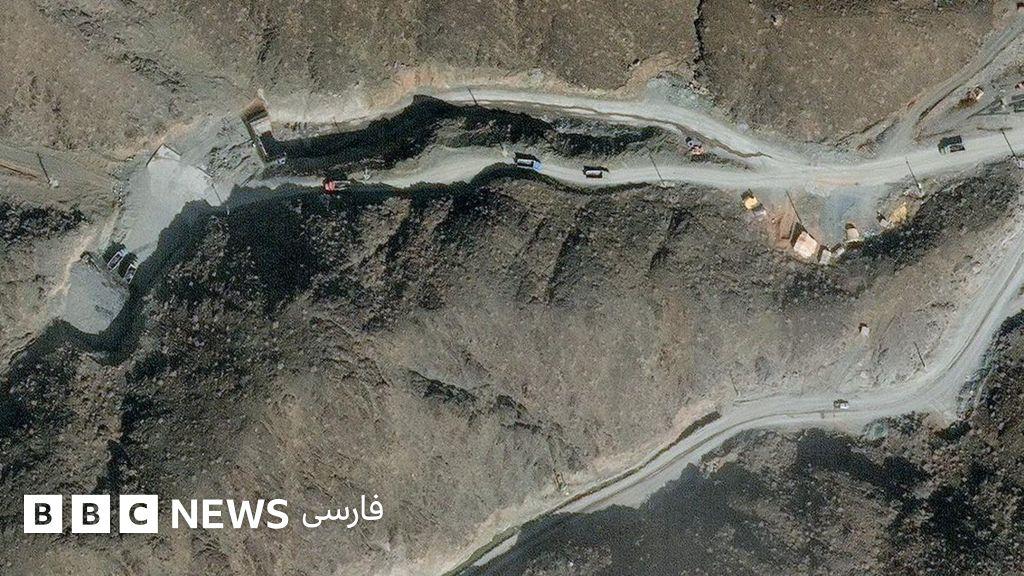
Iran Attempts To Restore Nuclear Sites Damaged In US And Israel Strikes, CNN Satellite Images Show
15 sources compared
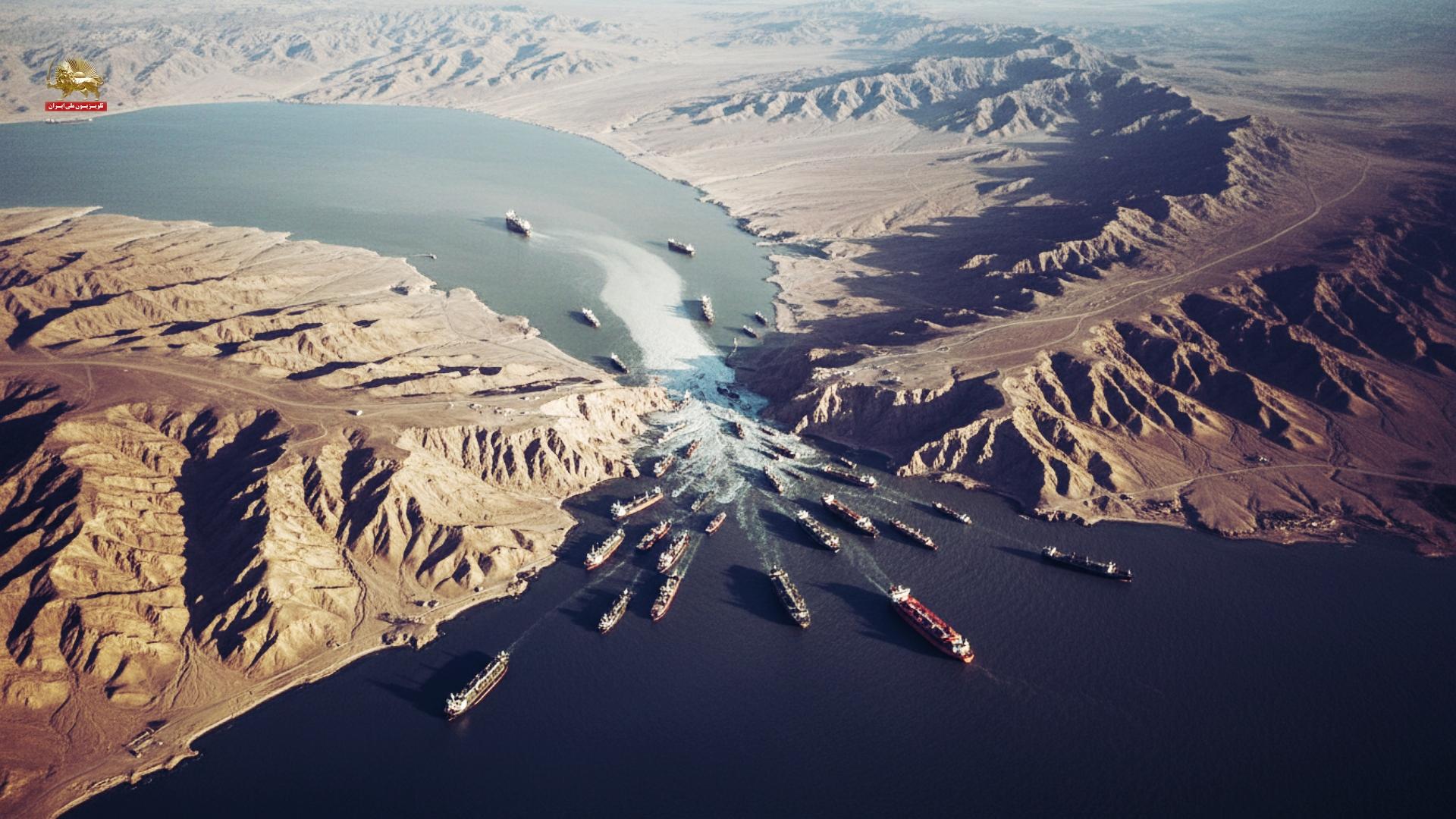
Abbas Araghchi and Prince Faisal Bin Farhan Discuss Regional Developments After US Attacks
11 sources compared

Trump Says U.S. Agreed to Continue Iran Talks, Ceasefire Is Over
19 sources compared