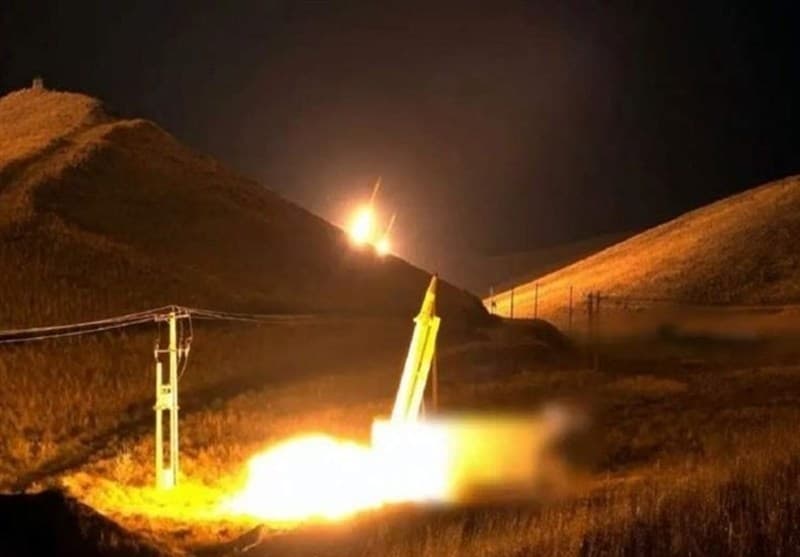
Iran Launches Missile Barrage at Tel Aviv in True Promise 4 Retaliation After Larijani's Death
Key Takeaways
- IRGC launched a large missile barrage into Israel in retaliation for Ali Larijani's death.
- Over 100 missiles fired in unprecedented retaliation.
- Operation True Promise 4 continues with new wave after Larijani's death.
Larijani Assassination
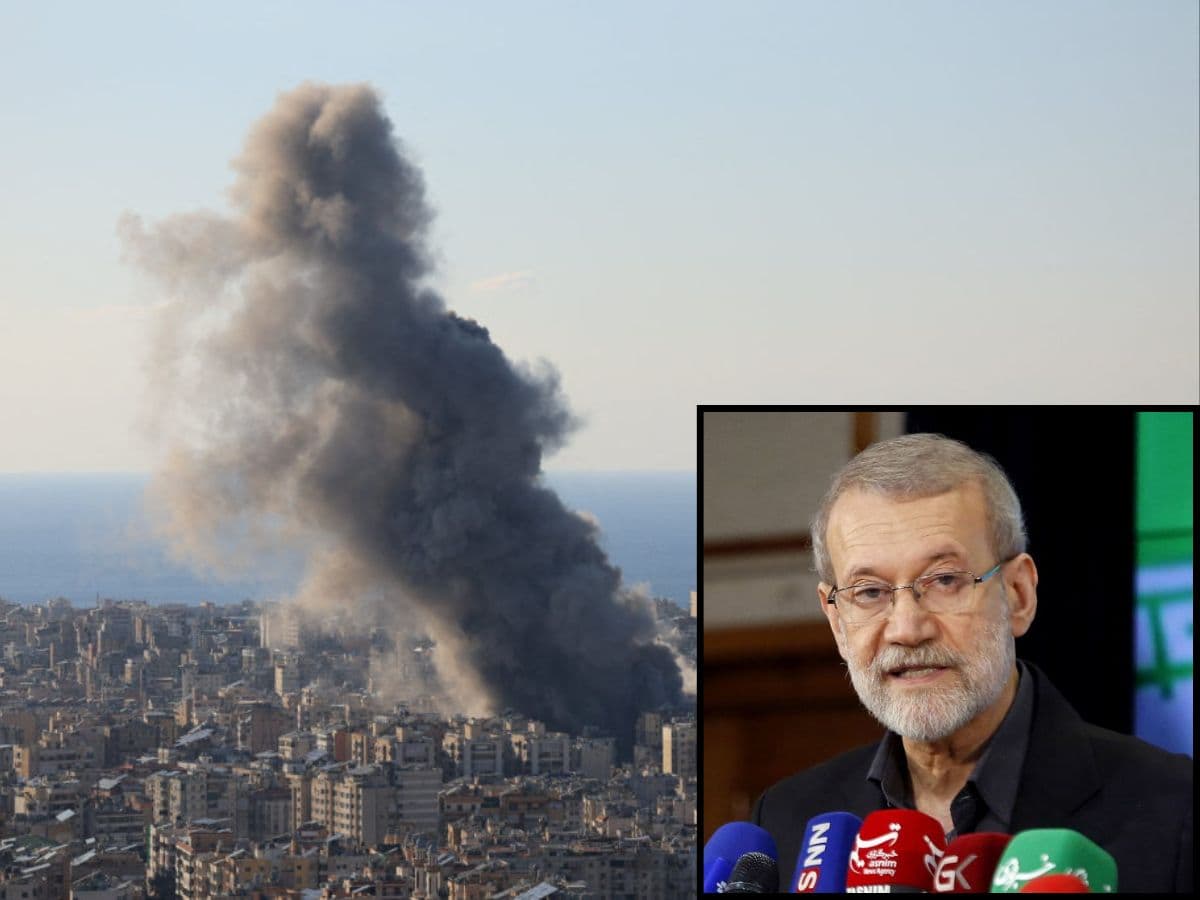
The death of Ali Larijani, Iran's top security official and architect of national security policy, triggered Iran's missile barrage after he was killed in an airstrike attributed to Israeli forces.
“Iran issued on Monday a threat against the logistics and service centers for USS Gerald Ford strike group, as it launched the 55th wave of Operation True Promise 4”
Tehran described him as a "martyr" and framed the strike as "hostile foreign aggression" aimed at weakening Iran's security apparatus.
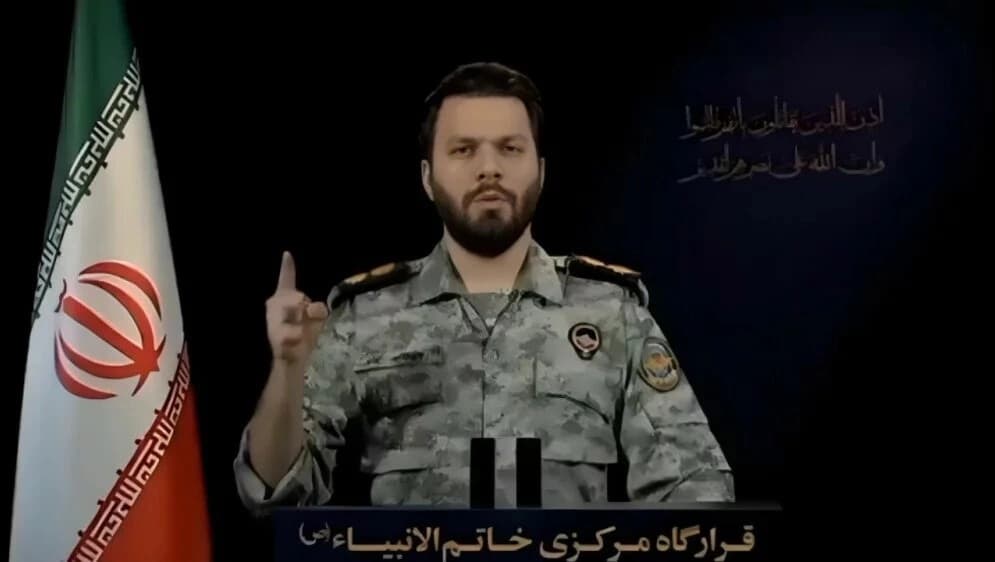
This represents one of the largest losses of Iranian leadership in decades, according to Iranian state media.
The killing of Larijani follows weeks of U.S. and Israeli airstrikes on Iranian military infrastructure, which Tehran has consistently labelled as unlawful aggression.
Iran's leadership has publicly vowed revenge for each senior figure killed, raising the risk of a prolonged regional conflict.
Operation True Promise 4
Iran's Islamic Revolutionary Guard Corps (IRGC) launched Operation True Promise 4, firing over 100 missiles and projectiles into Israeli territory in a direct retaliation for Larijani's death.
The attack included sophisticated weaponry such as multi-warhead Khorramshahr-4 and Qadr missiles, along with Emad and Kheibar Shekan projectiles designed to hit military bases, strategic infrastructure, and urban areas.
The IRGC described this massive barrage as "a direct response to the martyrdom of Dr Larijani" and vowed that the operation would continue until "all American-Israeli aggression" is countered.
Tehran has publicly stated that the strikes were both strategic and symbolic, aimed at showcasing Iran's capability to retaliate against high-profile attacks on its leadership.
Regional Military Targets
The Iranian missile strikes extended beyond Israeli territory to target multiple US military bases across the region, demonstrating Tehran's regional reach and capabilities.
“In the 61st wave of attacks after the beginning of Operation True Promise 4 in retaliation for the US-Israeli military campaign against Iran, the Iranian Armed Forces launched a barrage of Khorramshahr-4, Qadr, Emad and Khaybar-shekan missiles at Tel Aviv in revenge for the martyrdom of Secretary of Iran’s Supreme National Security Council Ali Larijani and his companions”
The attacks specifically targeted Al Dhafra Air Base, Juffair Naval Base, and Sheikh Isa Air Base using advanced weaponry including Fateh, Zulfiqar, and Dezful precision-guided missiles, as well as smart and suicide drones.
According to the IRGC's statement, these operations were conducted successfully, with Iranian forces employing a mix of medium-range solid-fuel missiles designed to penetrate advanced defense systems.
The multi-pronged attack strategy indicates Iran's sophisticated military planning and its ability to coordinate simultaneous strikes across different theaters of operation.
Human Impact and Escalation
The missile barrage has had immediate humanitarian and economic consequences, with civilians across Israel and surrounding countries facing heightened danger amid the escalating conflict.
Global markets have reacted significantly to the threat of instability, with concerns mounting about potential disruptions to energy exports and trade routes in the Middle East.
Iranian officials have claimed substantial casualties from their operations, stating that over 200 US military personnel were killed and more than 3,000 were injured in the first week of the war, though independent verification of these figures remains limited.
Military analysts observe that Iran is now transitioning from traditional proxy warfare and defensive actions to direct missile operations, signaling a more aggressive and assertive posture in the Middle East.
The shift in Iran's military tactics represents a significant escalation in the regional conflict dynamics.
Regional War Fears
The unprecedented Iranian retaliation marks a new and dangerous phase in the ongoing Middle East conflict, drawing in additional state actors including the United States and Gulf nations while raising fears of a prolonged regional war.
“Tehran has dramatically escalated tensions in the Middle East after Ali Larijani, Iran’s top security official, was killed in an airstrike attributed to Israeli forces”
Military sources warn that the cycle of assassination and retaliation could continue for months, potentially escalating into a wider conflict with far-reaching consequences for multiple countries in the region.
Israeli authorities have openly acknowledged responsibility for the operation that targeted Larijani and other senior Iranian figures, further escalating tensions between the two adversaries.
Iranian state media has framed the missile strikes as "justice for the martyrs" and has emphasized Tehran's possession of long-range strike capabilities that can reach strategic targets far beyond its borders.
This strategic messaging is designed to bolster domestic support while serving as a clear warning to regional adversaries about Iran's retaliatory capabilities.
More on Iran

Israel strikes Iran's Pars gas field as Tehran vows revenge
14 sources compared
Trump threatens to blow up South Pars gas field if Iran attacks Qatar again
10 sources compared
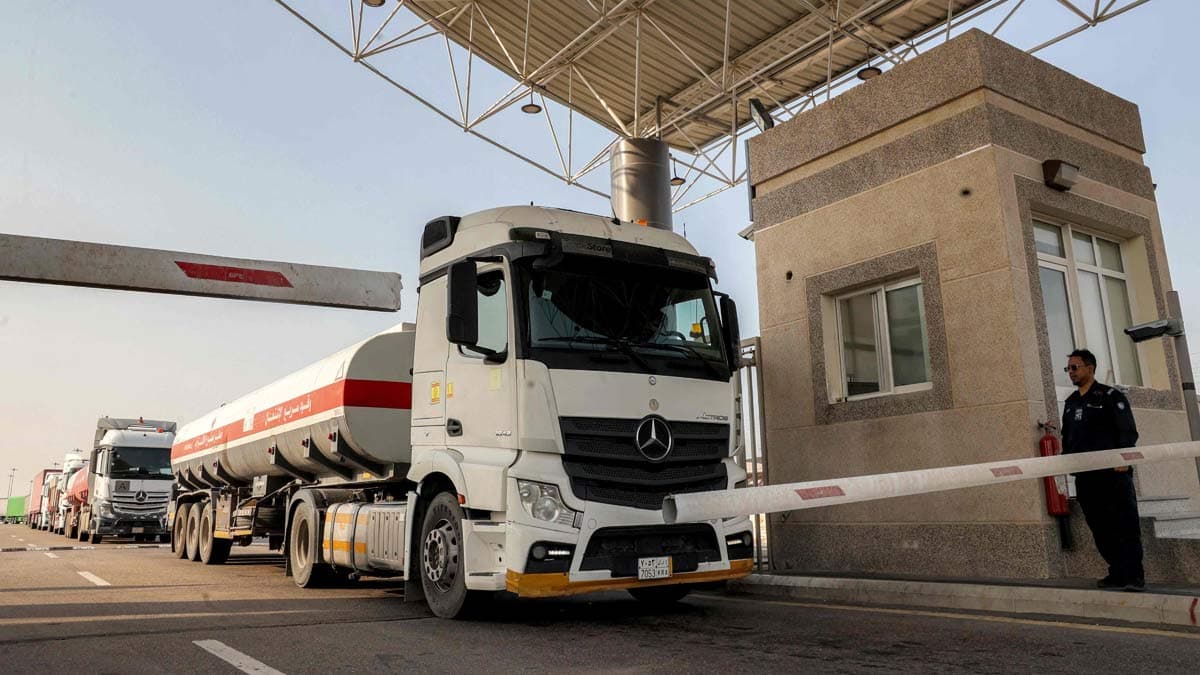
UAE Halts Habshan Gas Facility Operations After Debris From Intercepted Missiles
10 sources compared

Iran Threatens Gulf Energy Facilities After Israel Strikes South Pars Gas Field
11 sources compared