Iran Launches Missile Barrages Toward Israel After Beirut Strikes
Key Takeaways
- Iran launched multiple missiles toward Israel, first attack since April ceasefire.
- Beirut strike by Israel killed two and wounded twenty, triggering Iranian retaliation.
- The attack threatens the fragile U.S.-backed ceasefire and stalled peace talks.
Missiles after Beirut strike
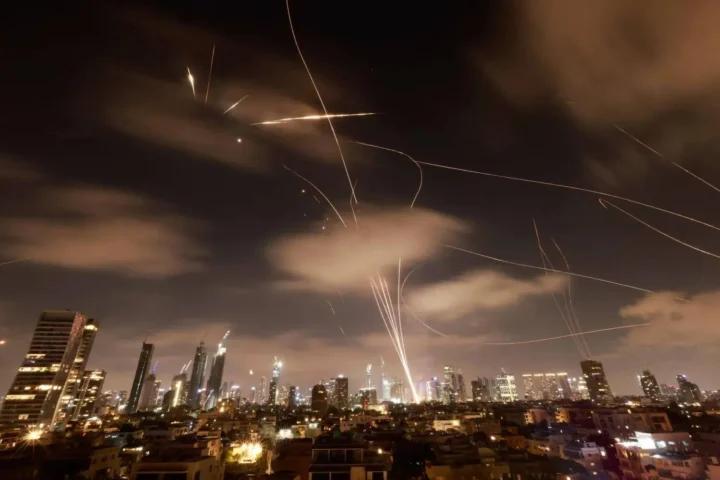
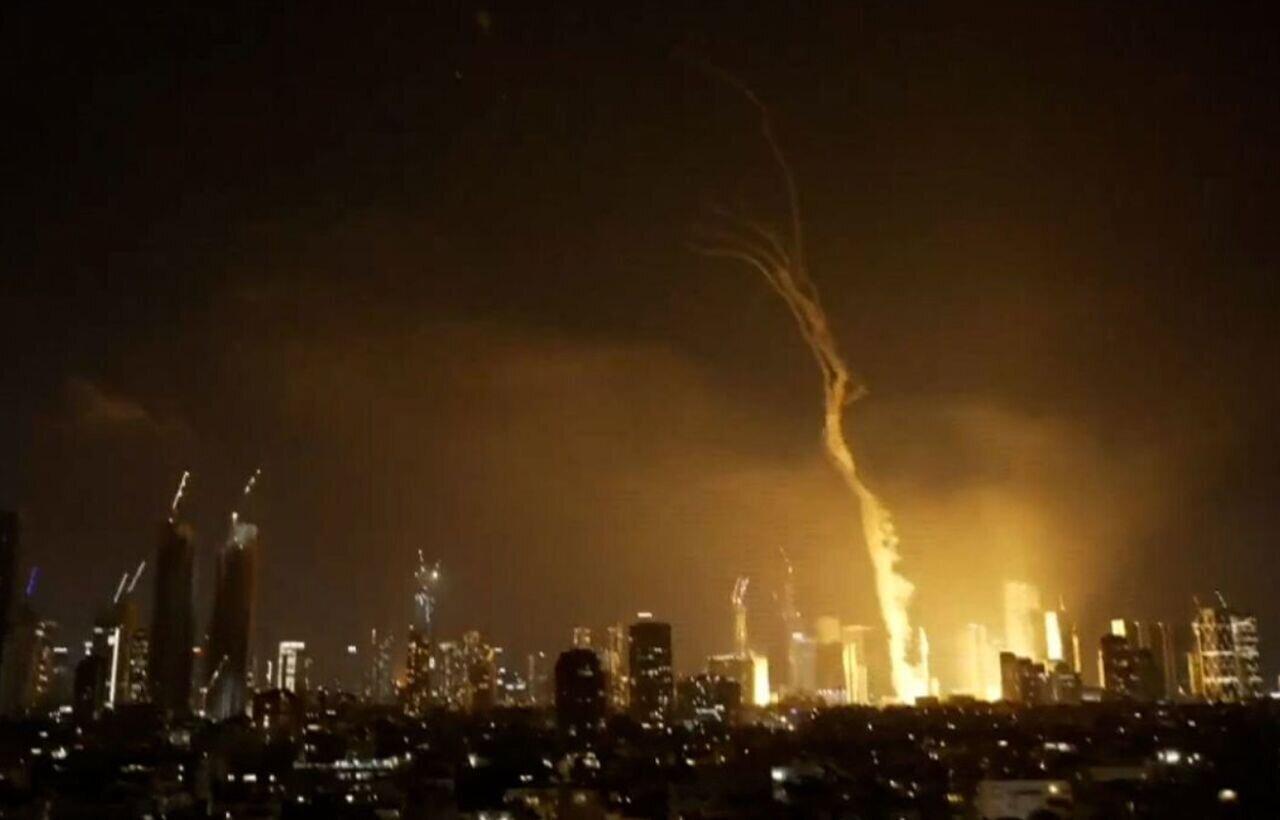
Iran launched several barrages of missiles toward Israel on Sunday for the first time since a ceasefire took effect in early April, according to The Washington Post.
“We're getting some pictures now of pro-government demonstrations taking place in Tehran, following the Israeli strikes on Beirut's southern suburbs”
The BBC reported that the US embassy in Jerusalem would be closed on Monday due to the "current security situation in Israel" and that the embassy directed all US government employees to "shelter in place, and be prepared to move to a protected shelter".
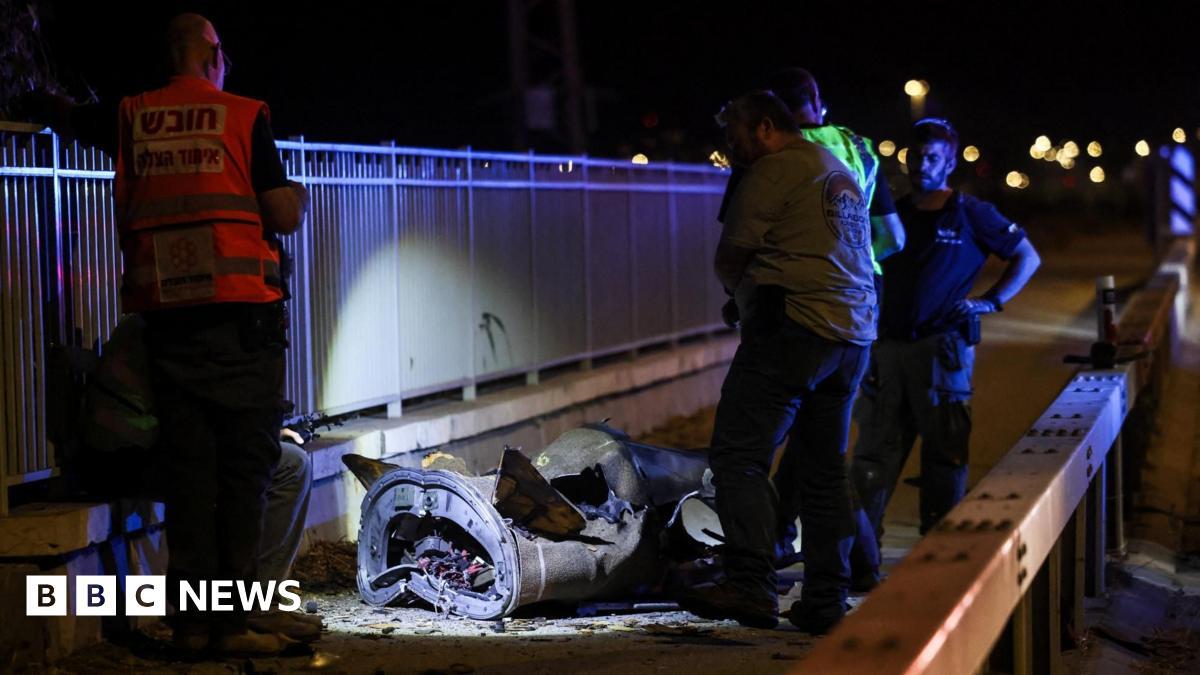
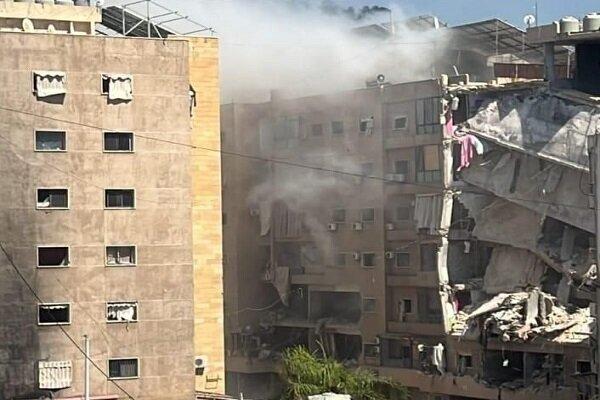
In the same escalation, the Guardian said Israel struck the southern suburbs of Beirut despite its ceasefire agreement with Lebanon, and Lebanon’s health ministry said the attack killed two people and wounded 20 others.
The Guardian also said Iran’s missiles came shortly after Iranian lawmaker Ebrahim Rezaei warned in a post on X that Tehran will give a "painful" response to Israel’s attack on Beirut’s Dahiyeh southern suburb.
Fox News reported that the Israeli Defense Forces said all of the missiles were intercepted or landed in uninhabited areas, though explosions were heard in northern Israel.
Trump, Cooper, and rivals
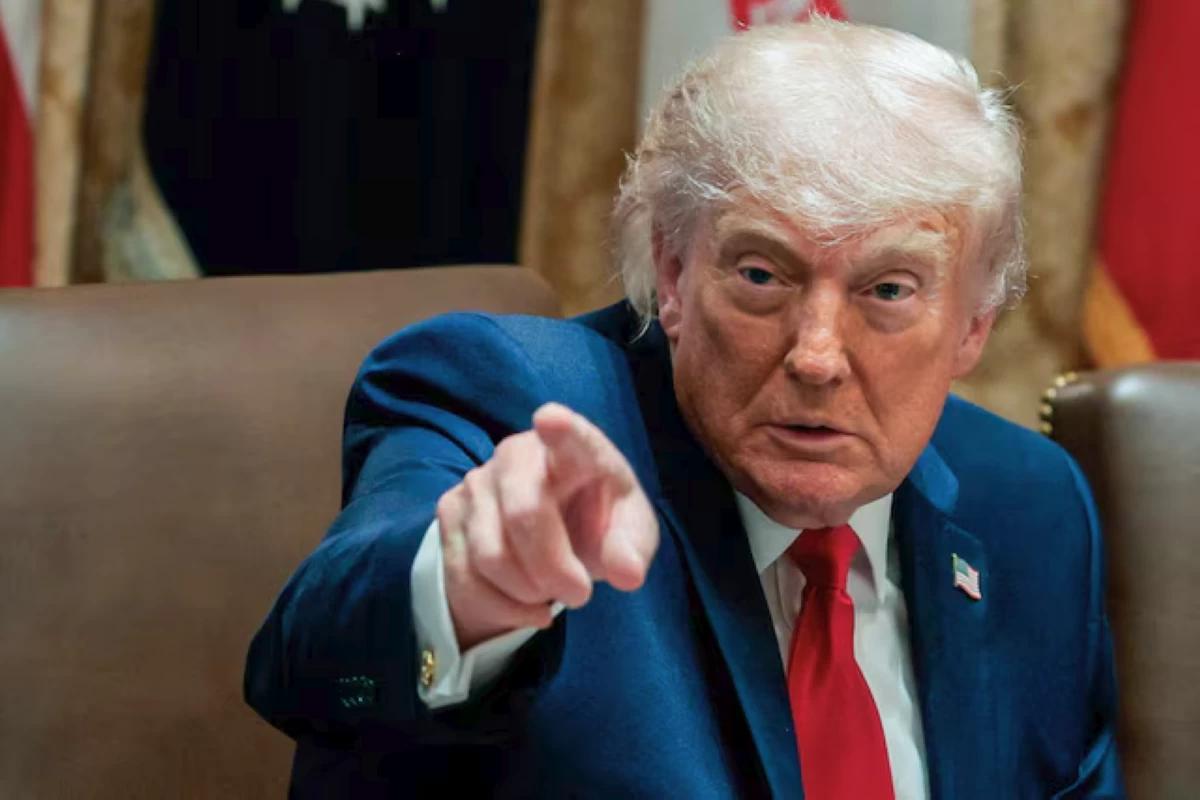
US President Donald Trump told Fox News that the Iranian strikes are "certainly not going to help" negotiations on ending the war and urged Iran to "get back to the table and make a deal."
Trump also told the Financial Times that Israeli Prime Minister Benjamin Netanyahu would have to accept whatever deal the US reaches with Iran, saying "He won’t have any choice".

The BBC quoted UK Foreign Secretary Yvette Cooper saying, "Both sides must show restraint and de-escalate immediately," after Tehran’s missile attacks on northern Israel.
In a separate political reaction, CNN reported that former Prime Minister Naftali Bennett called the moment "a moment of truth" and said Israel must show it is a "sovereign state capable of defending itself."
CNN also said far-right Minister of National Security Itamar Ben Gvir wrote on X, "Tonight Tehran must burn," after the first warnings of incoming Iranian missiles.
Deal risk and next moves
The Guardian said Trump told Fox News that "It’s certainly not going to help negotiations" and added, "You’ve shot your missiles, that’s enough. Get back to the table and make a deal."
“Iran on Sunday reportedly fired missiles at Israel, as a tenuous ceasefire between Washington and Tehran hangs in the balance”
The Washington Post framed the apparent attack as threatening to further complicate efforts to broker a peace deal aimed at ending the war in the U.S.-Israeli conflict with Tehran.
The Guardian reported that Iran’s parliament speaker Mohammad-Bagher Ghalibaf issued a threat to US bases and assets in the region, claiming the latest military action turned them into "legitimate targets."
CBS News reported that Israel said Sunday that Iran has launched missiles at it in the first such bombardment since a fragile ceasefire took effect in early April, complicating mediation efforts for a deal to end the war.
NBC News said the U.S. military was monitoring the "active situation" between Iran and Israel and that thus far there has been no U.S. involvement in defending against this round of Iranian missiles.
More on Iran

Iran Launches Missiles Toward Israel After Israeli Air Raid on Beirut Suburbs
22 sources compared
Iran Launches Missiles At Israel After Beirut Strike, Israel Intercepts Waves
17 sources compared
Iran Launches Missiles At Israel After Beirut Suburb Bombardment
27 sources compared
Iran Fires Missiles at Israel After Warnings Over Lebanon Assault
19 sources compared