Iran01 March, 20264 min read
Iran Launches Missile, Drone Attacks on US Assets and Gulf Cities, Hitting UAE and Bahrain
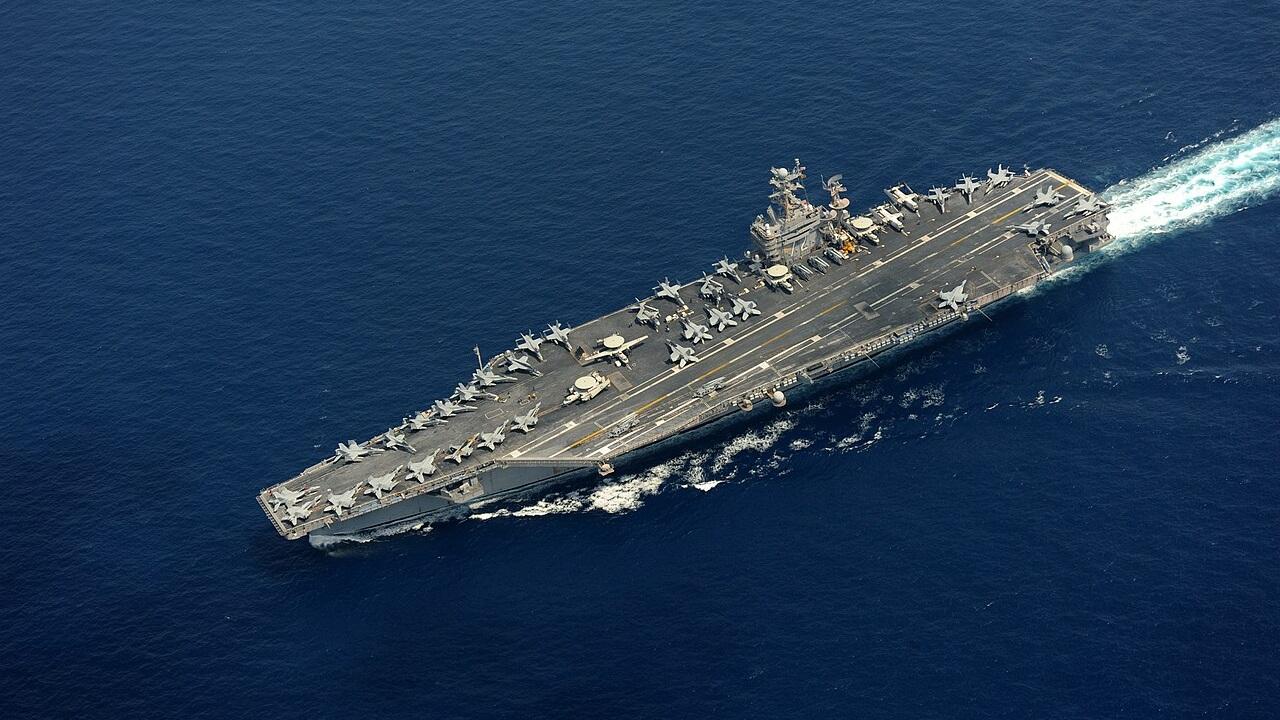
IRGC said it fired four ballistic missiles at the USS Abraham Lincoln U.S. Central Command denied the strike, saying the missiles "didn't even come close"
72 outlets told this the same way.
Gulf strikes overview
Iran launched large waves of missile and drone strikes across the Gulf aimed at U.S. and allied targets and at civilian infrastructure in Gulf cities, hitting the United Arab Emirates and Bahrain among other states. Al Jazeera described "a massive Iranian barrage... that Tehran said included hundreds of missiles and drones aimed at US and allied targets across the UAE, Qatar and other Gulf countries." ABC News reported that the Crowne Plaza hotel in Manama was struck on March 1, 2026, causing injuries.
“The strikes followed a massive Iranian barrage on Saturday that Tehran said included hundreds of missiles and drones aimed at US and allied targets across the UAE, Qatar and other Gulf countries.”
CNN said Iran "has launched multiple waves of missiles and drones across the Gulf and wider region, saying it will target U.S. military bases on foreign soil." The Daily Star summarised the immediate human toll in the UAE as "At least three people have been killed and 58 injured in the UAE after Iran launched retaliatory strikes in the Gulf."

Reported missile and drone tallies
Reported strike volumes and interception rates varied by source, but several Gulf governments said the attacks involved hundreds of missiles and drones. The Daily Star relayed the UAE ministry's tally that it reported detecting 165 ballistic missiles (152 destroyed) and two cruise missiles intercepted, and said 541 Iranian drones were detected, of which 506 were intercepted and destroyed. The Statesman provided a similar breakdown, saying overall it detected 165 ballistic missiles (152 destroyed, 13 fell into the sea), two cruise missiles (both destroyed) and 541 drones (506 intercepted, 35 fell inside UAE causing material damage).
Qatar Tribune offered a different figure for the opening wave, noting on Saturday Iran said it fired 137 missiles and 209 drones into the UAE. CNN summarised the UAE account that Iran launched 165 ballistic missiles, 541 drones and 2 cruise missiles, stressing that most were intercepted but debris and breaches caused damage and casualties.
Claims over USS Abraham Lincoln
Tehran and its armed forces issued aggressive claims while U.S. and coalition authorities disputed some of them.
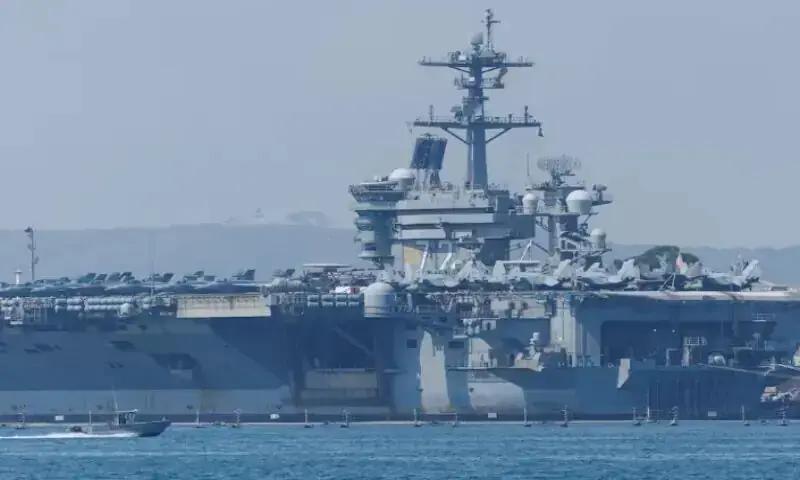
“Iran’s Islamic Revolutionary Guard Corps (IRGC) said it fired four ballistic missiles at the U.S. aircraft carrier USS Abraham Lincoln, calling the strike part of a ‘new phase’ of attacks on ‘American‑Zionist enemy targets’ and warning that land and sea would ‘increasingly become the graveyard of terrorist aggressors.’”
Iran's Islamic Revolutionary Guard Corps claimed it fired four ballistic missiles at the U.S. aircraft carrier USS Abraham Lincoln and warned that land and sea would increasingly become the graveyard of terrorist aggressors, according to Türkiye Today.
WION reiterated the IRGC and state media claim that the carrier was struck.
U.S. Central Command and allied spokespeople rejected those assertions; Indiablooms reported CENTCOM called the claim 'a LIE,' saying the Lincoln was not hit and the missiles 'didn't even come close,' and The Jerusalem Post quoted a statement that incoming missiles 'didn't even come close.'
Gulf strikes overview
The strikes caused civilian casualties and infrastructure damage in Gulf cities and raised U.S. and coalition losses, though some details remain contested.
ABC News noted strikes on tourism and transport infrastructure, saying the U.S. Embassy in Bahrain reported the Crowne Plaza hotel in Manama was struck and that the UAE reported 'at least three dead and 58 injured.'

Qatar Tribune detailed damage at airports and said 'At Abu Dhabi’s airport at least one person was killed and seven wounded.'
The BBC reported broader U.S. military casualties, saying 'Three U.S. service members have been reported killed and five seriously injured,' and that CENTCOM said it defended against hundreds of Iranian missile and drone attacks.
These accounts indicate both civilian and military harm, but they differ on specific tolls and exact locations.
Regional fallout from attacks
The attacks produced wide regional fallout, including airspace closures, travel disruptions, and alarm among allied governments. CNN said much of the region's airspace has been closed and international carriers have suspended hundreds of flights. The BBC noted Iran is under a near-total internet blackout and its airspace is closed, complicating independent verification.
“Much of the region's airspace has been closed and international carriers have suspended hundreds of flights.”
The UK moved to heighten protection for its forces and advised citizens, with the London Evening Standard reporting that Prime Minister Keir Starmer convened Cobra and the Ministry of Defence said UK forces, notably at RAF Akrotiri in Cyprus, are on heightened alert. The Guardian warned that about 300 UK personnel were within about 200 metres of an Iranian strike on the US naval base in Bahrain, and that there were no casualties.

Disputed casualty and strike reports
Important aspects of the campaign remain murky and contested, including high-level casualty claims and some specific strike outcomes. CNN summarised that "U.S. and Israeli strikes reportedly killed Iran’s Supreme Leader Ayatollah Ali Khamenei" and said Iranian state media and Israeli military statements are the sources of those claims. LatestLY cautioned that "some key allegations (including damage to a carrier and the Supreme Leader’s death) have not been independently verified."
The BBC reported that "Alireza Arafi was named interim supreme leader." The BBC noted the formal replacement rests with the Assembly of Experts.
The Sunday Guardian warned that the carrier strike and Khamenei's reported death "has not been independently confirmed" and said the US Navy had not reported damage or casualties. These discrepancies underline the fluidity and high uncertainty in available reporting.