Iran18 March, 20263 min read
Iran launches missiles at Israel in revenge for Ali Larijani assassination
This article is an automated aggregation of coverage from news outlets. Our editorials offer in-depth analysis curated by the NewsCord team.
Iran launches missiles in revenge for Ali Larijani's assassination. Missile strikes hit central Israel, including Tel Aviv area, causing casualties.

Iran's Retaliatory Strike
Iran launched a major missile attack against Israel in retaliation for the assassination of senior Iranian security official Ali Larijani. The attack used multiple-warhead cluster missiles specifically designed to better evade Israel's defense systems. Iranian authorities explicitly framed the strike as "revenge" for Larijani's death.
Iran's Supreme Leader Ayatollah Mojtaba Khamenei expressed condolences for the killing. Khamenei stated that "the assassination of such a person shows the extent of his importance and the hatred of the enemies of Islam towards him."

The attack marked an escalation in the ongoing conflict between Iran and Israel. This conflict has been raging for nearly three weeks since the United States and Israel triggered the war.
Attack Impact and Scale
The Iranian missile barrage caused significant damage across central Israel. The attack killed two people in Ramat Gan near Tel Aviv and injured at least 3,834 others since the conflict began. The attack specifically targeted the Ramat Gan area.
It caused substantial property damage, including destruction at a Tel Aviv train station and buildings in the Holon area. Iran used advanced fragmentation missiles with multiple-warhead systems designed to penetrate Israeli air defenses. Iran's missiles and drones also targeted Saudi Arabia, Kuwait, and other Gulf Arab states.

These regional targets were largely intercepted by air defense systems. This coordinated assault reflected Iran's determination to retaliate against U.S.-backed Arab states.
Humanitarian Crisis
The conflict has triggered a massive humanitarian crisis across the region. Lebanon has borne the brunt of Israeli retaliation against Iran-backed Hezbollah. Since March 2 when Hezbollah attacked Israel, nearly 120,000 Syrians have returned to Syria from Lebanon.
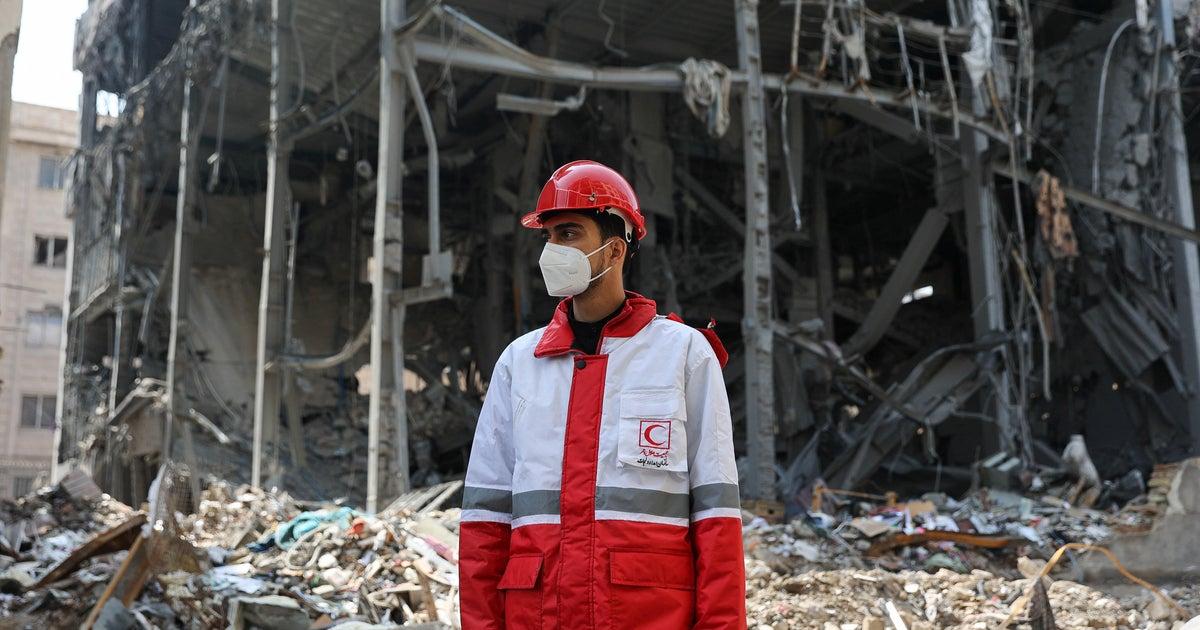
Israeli strikes have displaced more than 1 million Lebanese people—roughly 20% of Lebanon's population. The Lebanese government reports that 968 people have been killed in Israeli strikes. Iran has suffered at least 1,300 casualties since the conflict began, according to the Iranian Red Crescent.
In Israel, 14 people have been killed by Iranian missile fire. At least 13 U.S. military members have died in the conflict.
Iran executed a man on charges of spying for Israel's Mossad. Israel flattened apartment buildings in Beirut that it claimed were used by Hezbollah.
International Response
International reactions to the escalating conflict have been mixed. Director of National Intelligence Tulsi Gabbard reiterated that Iran's nuclear enrichment program was "obliterated" in strikes last year. Gabbard noted that Iran "maintained the intention to rebuild and to continue to grow their nuclear enrichment."
President Donald Trump has not decided whether to send American forces into Iran to seize nuclear material. Trump told close advisors "I have a lot of decisions to make." The Pentagon has prepared multiple options for potential next steps in the Iran war.

CIA Director John Ratcliffe publicly disagreed with former National Counterterrorism Center director Joe Kent. Kent resigned over his assessment that "Iran posed no imminent threat to our nation."
Sweden's Foreign Ministry condemned Iran's execution of a Swedish citizen. NATO and most allies have rejected Trump's calls to help secure the Strait of Hormuz.
Information War
The ongoing conflict has created an information war environment. Israeli military censorship imposes heavy restrictions on reporting about missile attacks. The Israeli military has banned publishing any videos documenting missile impacts without official permission.
Israel maintains strict opacity regarding human losses from these strikes. According to the Israeli National Security Studies Institute, 14 Israelis have been killed since the war began by Iranian attacks. Israel has imposed significant restrictions on casualty reporting.
This contrasts with detailed reporting from Iranian sources about their own casualties and military operations. The conflict has now reached its third week with Iran launching its 11th missile salvo at Israel.
This indicates the sustained nature of the confrontation. The international community faces growing concerns about further escalation and its impact on global energy markets and security.