Iran-Israel01 March, 20262 min read
Iran Launches Missiles At UK Bases In Cyprus
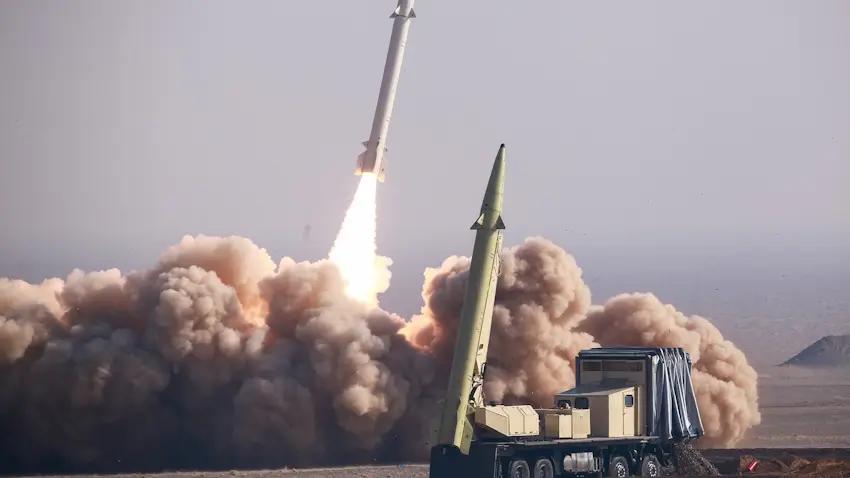
John Healey said Iran fired two missiles toward Cyprus; Cyprus government denied those reports UK forces intercepted Iranian missiles and drones heading toward Cyprus and coalition bases
41 outlets told this the same way.
Outlets did split on U.S. Intercepts Iran Message Activating Sleeper Cells After U.S.-Israel Strike Kills Khamenei →
Missiles near Cyprus bases
UK Defence Secretary John Healey told Sky News that two missiles launched from Iran flew in the direction of Cyprus, where British sovereign bases such as RAF Akrotiri are located. Officials said it was not yet clear whether the projectiles were deliberately aimed at those facilities.
“UK Defense Secretary John Healey told Sky News that two missiles launched from Iran were fired in the direction of British military bases in Cyprus amid fallout from Operation Epic Fury.”
Media reporting places the launches amid the wider fallout from a US-Israeli campaign (Operation Epic Fury) and notes uncertainty about timing and intent. Healey and other UK sources repeatedly emphasized the lack of clarity over whether UK bases were specific targets.

British personnel at risk
The strikes have placed British personnel at measurable risk. Healey disclosed that roughly 300 UK service members were in the vicinity of Iranian strikes in Bahrain, with some reported to have been only a few hundred yards (or within 200 metres) of missile impacts. Reports emphasize there were no UK casualties but underline how close British forces came to strikes directed elsewhere in the region.
UK defensive military response
London says its response has been defensive. RAF jets have been scrambled from Cyprus and Qatar, and British air and counter-drone units have been used to intercept incoming threats and protect coalition bases. UK ministers have stressed the operations are defensive, that Britain 'played no part' in the US-Israeli strikes on Iran, and that protecting UK forces and partners is the priority.
“UK Defence Secretary John Healey said Iranian missiles fired in recent retaliatory strikes were successfully intercepted after two appeared to be heading toward Cyprus, where the UK has major facilities at Akrotiri, though it’s not yet clear if British bases were deliberately targeted.”
Strikes near Cyprus, UK
Several outlets reported that missiles and drones were intercepted and that there were no reported UK casualties or damage from strikes near Cyprus and other sites.
UK officials described Iran’s reprisals as increasingly 'indiscriminate' while continuing to assess whether particular launches were deliberately targeted at British assets.
&w=1920&q=75)
UK response to strikes
British ministers warned the strikes risk wider regional escalation and urged Iran to 'step back' from further missile and drone launches. They repeated calls for Tehran to abandon its weapons programmes and for allies to coordinate defensive measures.
“Healey urged Iran to stop the missile strikes and 'step back' from escalation, stressed UK aircraft in the region are flying defensive missions (not taking part in US or Israeli strikes), and said protecting UK forces is the top priority.”
Domestic political debate intensified, with some opposition voices urging more robust action, including possible base access for US strikes. Government officials emphasized lawful defence and sought to avoid further escalation.
