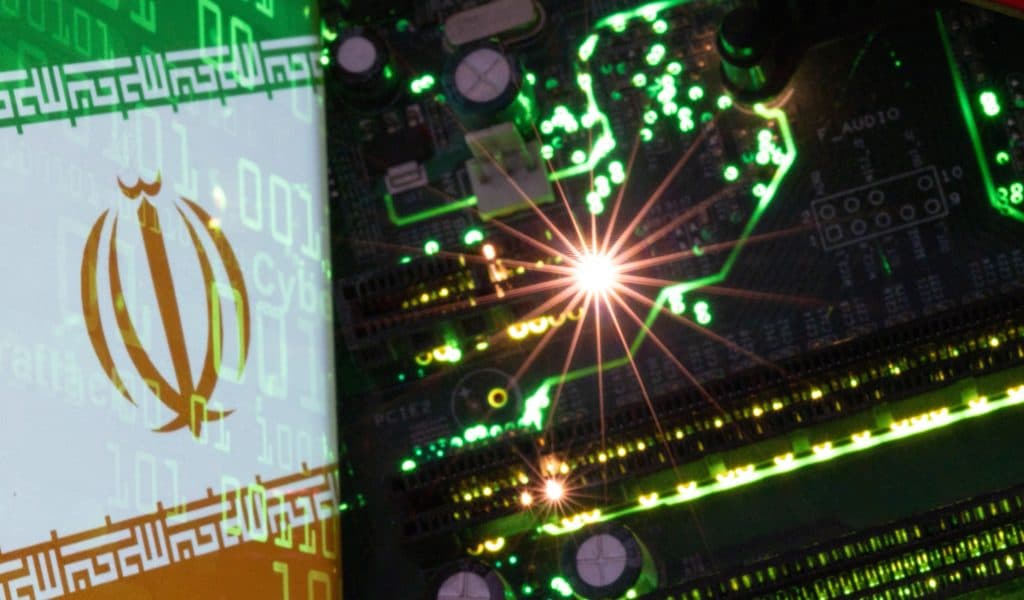
Iran-Linked Hackers Launch Cyberattacks Into U.S., Threaten Defense Contractors, Power and Water Systems
Key Takeaways
- Pro‑Iranian hackers have expanded operations from the Middle East into the United States
- Hackers target U.S. defense contractors, power stations, and water plants
- Attacks could expand into wider digital chaos if Tehran's allies join the fray
Scope and targets
Pro-Iranian hackers have expanded operations beyond the Middle East and are increasingly targeting U.S. networks, raising risks to American defense contractors, power stations and water systems.
“David Klepper, Associated PressDavid Klepper, Associated Press Leave your feedback WASHINGTON (AP) — Pro-Iranian hackers are targeting sites in the Middle East and starting to stretch into the United States during the war, raising the risk of American defense contractors, power stations and water plants being swept into a wave of digital chaos that could expand if Tehran's allies join the fray”
Since the war began, these actors have claimed responsibility for disruptive attacks — including one against U.S. medical device firm Stryker — and security experts warn the campaign could grow if Tehran’s allies join in.
The activity has prompted U.S. authorities and cyber firms to flag an elevated threat posture for critical infrastructure and private contractors.
Tactics and methods
The attackers use a mix of covert influence operations and direct intrusion techniques, from impersonating activists and operating fake news sites to hacking email accounts and messaging platforms.
Tehran-linked groups have targeted political campaigns, attempted to seize and disseminate stolen files, and established bogus social-media presences designed to seed unrest and misinformation ahead of major events.
Simultaneously, operational hacking has aimed at technical systems — including cameras, data centers and industrial networks — that can yield tactical or spying advantages.
Allies and escalation risk
Security firms and analysts note that Iran is leveraging ingenuity and cultivated hacking groups rather than relying solely on raw resources, and that outside actors may already be assisting.
“David Klepper, Associated PressDavid Klepper, Associated Press Leave your feedback WASHINGTON (AP) — Pro-Iranian hackers are targeting sites in the Middle East and starting to stretch into the United States during the war, raising the risk of American defense contractors, power stations and water plants being swept into a wave of digital chaos that could expand if Tehran's allies join the fray”
CrowdStrike and other researchers reported a surge of pro‑Iranian activity from Russian-based hackers since the conflict began, with groups such as Z-Pentest claiming disruptive operations against U.S. networks — including systems tied to closed-circuit cameras.
Analysts caution that cooperation from state-aligned or proxy actors could materially increase the scale and sophistication of attacks.
Warnings and advice
U.S. and private-sector responders have issued public warnings and urged heightened cyber hygiene, emphasizing preparedness for disruption.
The Department of Homeland Security issued advisories about Iranian cyber threats, while experts who formerly served in U.S. agencies and private cyber firms told organizations to harden defenses and expect continued probing and potentially damaging intrusions.
Observers stress that routine protective steps are especially important now to reduce the chance that critical systems are compromised.
Uncertainties and intent
Key uncertainties remain about how far the campaign will spread and whether additional state or non-state partners will widen the attacks.
“David Klepper, Associated PressDavid Klepper, Associated Press Leave your feedback WASHINGTON (AP) — Pro-Iranian hackers are targeting sites in the Middle East and starting to stretch into the United States during the war, raising the risk of American defense contractors, power stations and water plants being swept into a wave of digital chaos that could expand if Tehran's allies join the fray”
Experts are watching for possible assistance from Russia, China or aligned hacking groups that could enable strikes designed to undermine U.S. operations or broaden the damage to civilian infrastructure.
Analysts warn that the intent in some Iranian-aligned operations is to create disruption and chaos rather than to limit themselves to narrow espionage objectives.
More on Iran
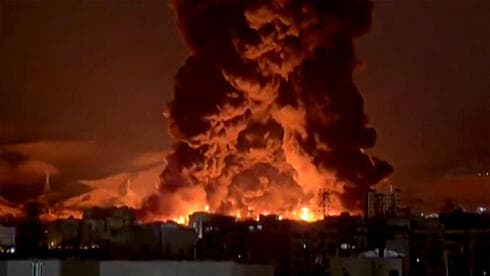
US obliterates military targets on Iran’s Kharg Island, Trump warns
13 sources compared

US Deploys About 2,500 Marines to Middle East After Iran Attacks Gulf Shipping
33 sources compared
FBI Warns of Iranian Drone Plot Based on Unverified Tip; California Says No Credible Threat
10 sources compared

White House Demands ABC Retract Report Claiming Iran Sought To Launch Drone Attacks On California
11 sources compared