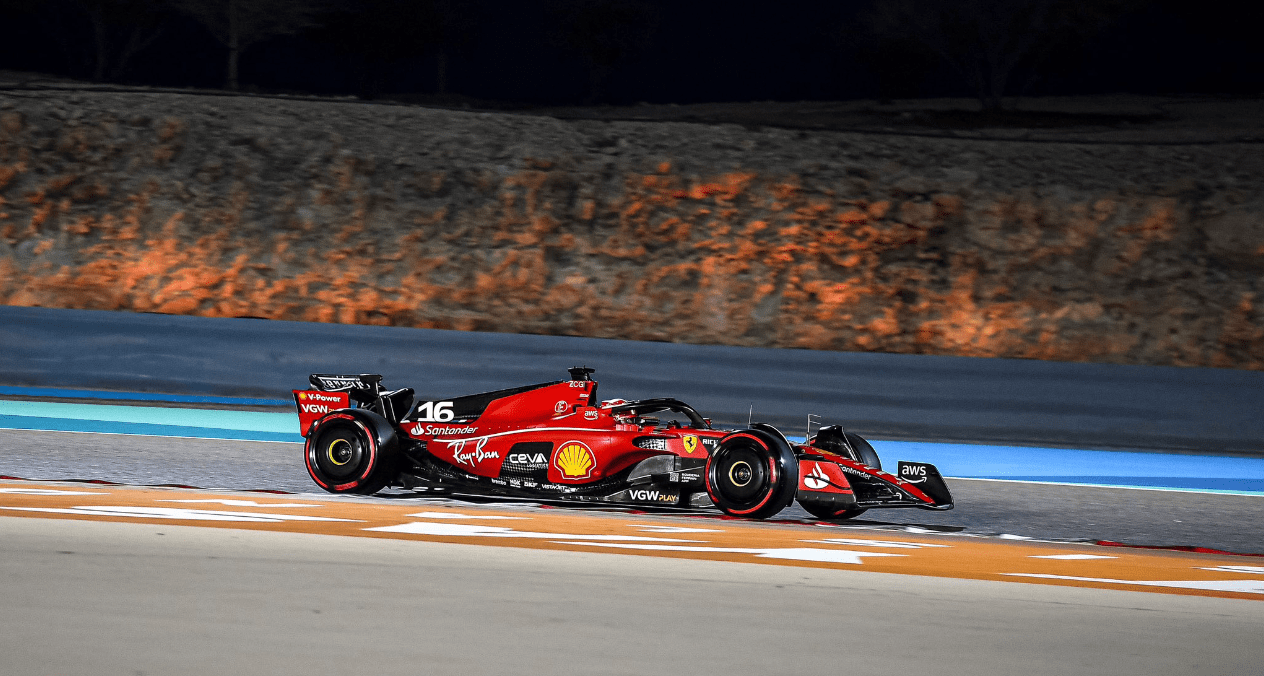
Iran-Linked Security Concerns Force Bahrain and Saudi Grand Prix Cancellations
Key Takeaways
- Bahrain and Saudi Grand Prix canceled due to Iran-related security concerns.
- Bahrain scheduled for April 12; Saudi scheduled for April 19.
- Calendar for 2026 Formula 1 faces uncertainty amid Middle East cancellations.
Security Crisis Origins
The cancellations of the Bahrain and Saudi Arabian Grands Prix resulted from a rapidly escalating regional security crisis triggered by major military actions involving Iran.
“The Formula 1 racing calendar has been significantly impacted as the Bahrain Grand Prix, initially set for April 10-12, and the Saudi Arabian race, scheduled for the following week, have been cancelled”
In late February, the United States and Israel conducted coordinated airstrikes that reportedly killed Iran's Supreme Leader Ali Khamenei and several high-ranking officials, creating an unprecedented geopolitical shockwave in the region.
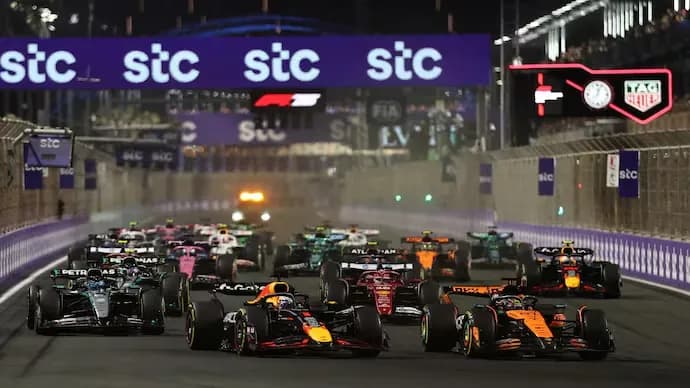
Iran responded swiftly with extensive retaliatory strikes targeting Israel and multiple locations across the Gulf region, including Saudi Arabia and Bahrain, with the Bahraini capital Manama specifically affected.
The scale and proximity of this conflict created an environment deemed too dangerous for Formula 1's global operations, forcing the sport's leadership to prioritize participant safety over commercial interests.
This marked the first time in modern F1 history that races were cancelled due to direct military threats targeting the host nations.
Decision Making Process
Formula 1's decision-making process reflected the severity of the security situation, with the sport's leadership carefully weighing unprecedented risks against commercial obligations.
Despite Saudi Arabia's determined efforts to proceed with their Jeddah race, organizers reportedly offered advanced missile defense systems to protect the circuit and surrounding infrastructure during the event.
This remarkable proposal highlighted the lengths to which host nations were willing to go to maintain their place on the F1 calendar, but ultimately Formula 1 concluded that even enhanced security measures could not mitigate the broader geopolitical risks.
The cancellations were reportedly finalized several days before official announcements, indicating the gravity with which the situation was assessed behind closed doors.
This decision underscored F1's commitment to safety as a non-negotiable priority, even when substantial financial interests were at stake.
Financial Impact
The financial implications of the cancellations represent significant but not catastrophic losses for Formula 1 and its regional partners.
“The Formula 1 racing calendar has been significantly impacted as the Bahrain Grand Prix, initially set for April 10-12, and the Saudi Arabian race, scheduled for the following week, have been cancelled”
Hosting fees for the Bahrain and Saudi Arabian Grands Prix are believed to total approximately €90 million in combined value, creating substantial financial uncertainty for the sport's commercial operations.
However, Formula 1's diversified business model, which includes lucrative broadcast deals and global sponsorship agreements, provides considerable insulation against such losses.
Sources within the sport express quiet optimism that the races will eventually return to the calendar, with contingency plans focusing on potential rescheduling later in 2026 or securing their place in the 2027 season instead.
This financial flexibility reflects the sport's ability to navigate unforeseen disruptions while maintaining its commercial viability in an increasingly volatile global environment.
Fan and Stakeholder Response
For fans and stakeholders, the cancellations created significant disruption but also demonstrated the motorsport community's commitment to safety and collective responsibility.
Ticket holders who had already purchased tickets for the cancelled events faced substantial inconvenience, particularly international travelers who had made extensive travel arrangements.
However, Formula 1 and local organizers are exploring options that would allow tickets to remain valid should the races be rescheduled later in the year, with refunds or priority access for future events also under consideration.
Teams and drivers have publicly expressed their understanding of the situation, prioritizing safety over competition, while sponsors and commercial partners recognize the broader implications of geopolitical instability on international sporting events.
This unified response highlights the motorsport community's ability to navigate unprecedented challenges while maintaining solidarity among all stakeholders.
Historical Context & Future
The cancellations mark a rare disruption to the modern F1 calendar while highlighting the sport's vulnerability to external geopolitical forces and the uncertain future of motorsport in the region.
“The Formula 1 racing calendar has been significantly impacted as the Bahrain Grand Prix, initially set for April 10-12, and the Saudi Arabian race, scheduled for the following week, have been cancelled”
Bahrain has been a key host for Formula 1 races since 2004, representing a significant milestone in F1's expansion into the Middle East and becoming known for its vibrant and challenging on-track atmosphere.
The Saudi Arabian GP, introduced in 2021, has also played a vital role in the region's motorsport ambitions, showcasing these nations' commitment to diversifying their entertainment portfolios and enhancing global standing through sports diplomacy.
The current instability forces Formula 1 to reassess its long-term strategy for events in politically sensitive areas, with potential implications for future calendar planning and safety protocols.
The sport now finds itself in a holding pattern, waiting to see how the geopolitical situation evolves and determining whether stability can be restored to allow racing to resume in the region.
Disruption Comparison
The unprecedented nature of these cancellations contrasts with recent events in the F1 calendar, where other disruptions have been primarily weather-related rather than geopolitical in origin.
In 2023, the Emilia Romagna Grand Prix at Imola was cancelled due to severe flooding, representing the most recent notable disruption before the current geopolitical crisis.
Unlike weather-related cancellations, which often allow for calendar flexibility and rescheduling, the Iran-linked security concerns present more complex challenges for F1's global operations.
The Bahrain circuit had recently hosted pre-season testing in February 2026, making the sudden cancellation all the more striking and highlighting how rapidly security situations can deteriorate.
This situation forces Formula 1 to develop more sophisticated risk assessment protocols for events in politically volatile regions while maintaining the sport's commitment to delivering exciting racing on challenging circuits around the world.
More on Iran

Israel strikes Iran's Pars gas field as Tehran vows revenge
14 sources compared
Trump threatens to blow up South Pars gas field if Iran attacks Qatar again
10 sources compared
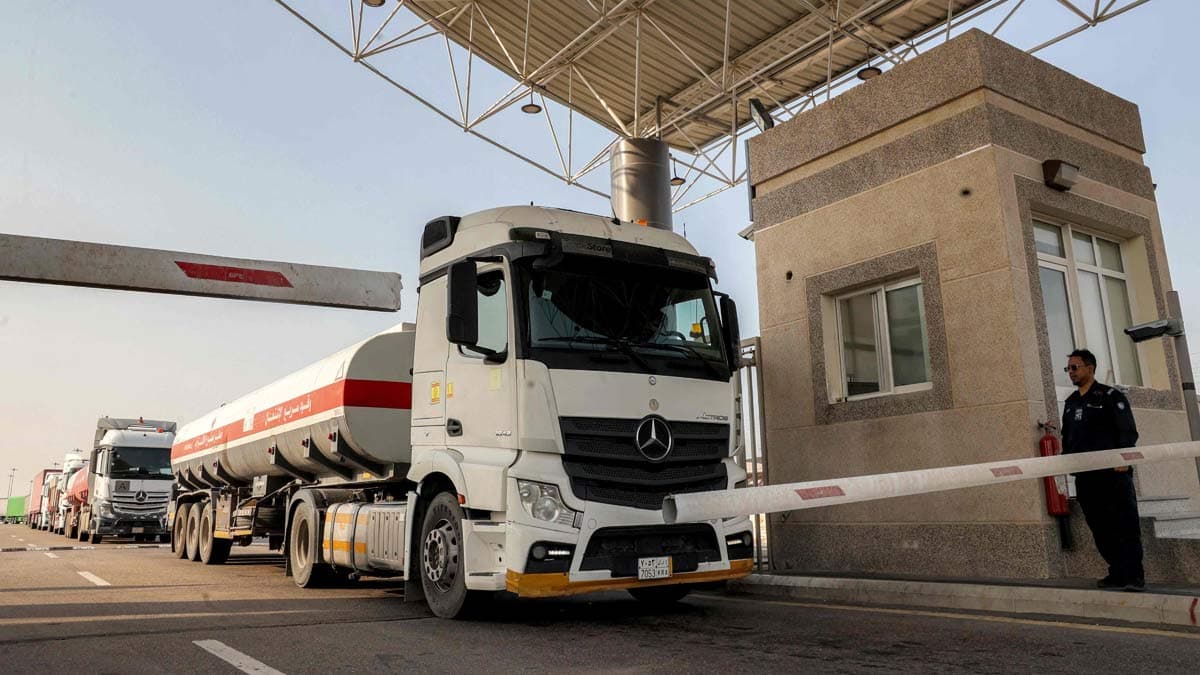
UAE Halts Habshan Gas Facility Operations After Debris From Intercepted Missiles
10 sources compared

Iran Threatens Gulf Energy Facilities After Israel Strikes South Pars Gas Field
11 sources compared