
Iran Marks Sardasht Chemical Bombing Anniversary, Says Saddam Hussein’s Warplanes Killed Civilians
Key Takeaways
- June 28, 1987 chemical attack on Sardasht by Saddam Hussein's regime.
- Iran pledges accountability and justice for Sardasht attack victims.
- Officials say Western powers aided the attack's scale.
Anniversary Demands Justice
Iran marked the 39th anniversary of the June 28, 1987 chemical bombing of Sardasht by reiterating its commitment to pursuing justice for victims and holding accountable perpetrators and their foreign backers.
“The Kurdistan Free Life Party (PJAK) issued a statement on the thirty-ninth anniversary of the chemical attack on the city of Sardasht, declaring that the attack was not only a flagrant violation of international law and the Chemical Weapons Convention, but also at the same time a bitter symbol of the savagery of war”
In a post on X, Foreign Ministry spokesperson Esmaeil Baqaei called the attack “one of the most horrific crimes of the century” and said the civilian population of the northwestern Iranian city was targeted with chemical weapons provided by Western countries.
IRNA said Iraqi warplanes under former dictator Saddam Hussein dropped mustard gas bombs on four densely populated districts of Sardasht, making it the first city in the world to be targeted with chemical weapons against a civilian population after World War II.
The IRNA account said the attack killed at least 130 civilians and exposed approximately 8,000 others to toxic gases, with many continuing to suffer from chronic respiratory illnesses and vision impairment.
Tehran Times similarly framed the anniversary as a push for legal accountability, quoting Deputy Foreign Minister for Legal and International Affairs Kazem Gharibabadi saying Tehran would “continue to seek justice for the victims” and hold accountable those responsible and the governments that enabled the assault.
Western Support Accusations
Tehran Times said Deputy Foreign Minister Kazem Gharibabadi described Sardasht as “a victim of double standards and silence” and argued that countries including Germany, the United States, the United Kingdom and the Netherlands armed Saddam’s regime with “these inhumane weapons.”
In the same anniversary framing, Foreign Minister Abbas Araghchi told a commemorative ceremony on Saturday that Iran remains the “standard-bearer” in the global campaign against weapons of mass destruction and reiterated Tehran’s determination to pursue justice for survivors.

IRNA’s Baqaei argued that the justifications used in 1987—described as “technical and logistical support”—are now being used “as a cover to justify cooperation” in the US-Israeli aggression against the Iranian nation.
Mehr News Agency reported Baqaei’s argument that the Iranian people would never forget how Western governments justified assistance to Saddam’s regime under the label of “technical and logistical support.”
Mehr also quoted Baqaei saying “Sardasht, on behalf of all Iranians and all free people, continues to demand truth and justice,” linking the demand to holding accountable those who ordered, executed, and supported the attack.
PJAK Marks War Crimes
Beyond Iranian officials, the Kurdistan Free Life Party (PJAK) issued a statement on the thirty-ninth anniversary that described the Sardasht chemical attack as a flagrant violation of international law and the Chemical Weapons Convention.
“In a post on X marking the anniversary of the chemical bombing of Sardasht by Saddam Hussein’s regime, Baghaei said the attack was “one of the most horrific crimes of the century” and argued that it could not have been carried out on such a scale without the technical, technological, and political support of certain Western countries, naming Germany, the United States, the United Kingdom, and France”
PJAK’s statement said that on June 28, 1987, the Ba'ath regime in Iraq used prohibited chemical weapons in the city of Sardasht in eastern Kurdistan and then launched a chemical attack on Halabja that killed five thousand people.
The PJAK statement asserted that mustard gas bombs were dropped on densely populated residential areas, and it said “Hundreds of women, children, and elderly innocent people were martyred,” while “about eight thousand others suffered from the painful long-term effects of chemical poisoning.”
PJAK also said international institutions remained silent about the crime and called for the attack to be documented and investigated at the international level, while expressing condolences to families of victims and the wounded.
In the same anniversary context, IRNA reported that Baqaei emphasized the attack “could never have been committed on such a scale” without technical, technological, and political support from some Western countries, naming Germany, the United States, Britain, and France.
More on Iran
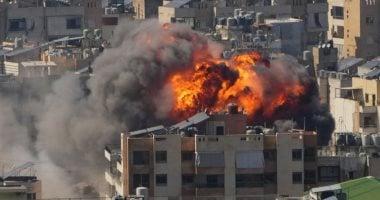
U.S. Strikes Iran After Trump Says Ceasefire Is Over, Iran Hits U.S. Allies
22 sources compared
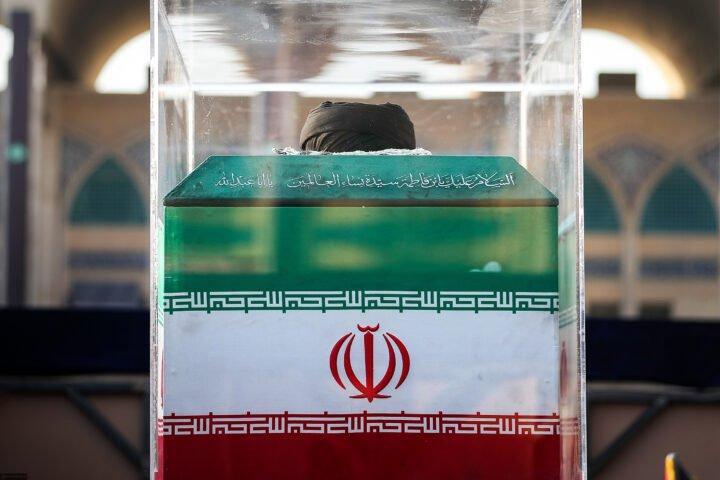
Israeli-American Attack Killed Ayatollah Ali Khamenei as His Body Was Buried in Mashhad
23 sources compared
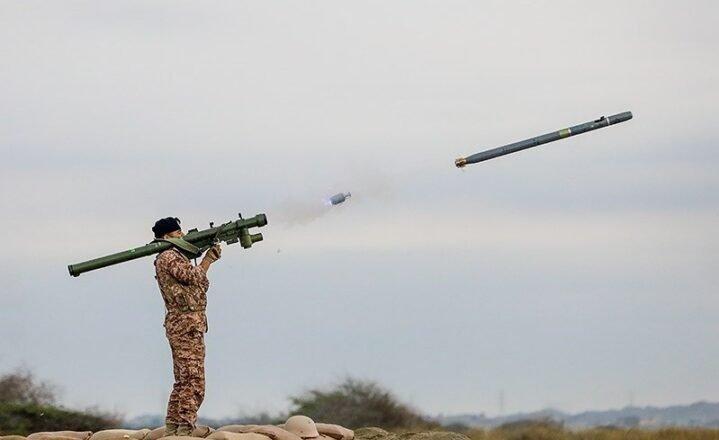
United States Strikes Hit Bushehr as Iran Says 14 Killed in Past Two Days
17 sources compared

Iran Launches More Strikes After US Attacks Hit Southern Iran, US Central Command Says
36 sources compared