Iran-Israel01 March, 20262 min read
Iran Missile Strike Hits Beit Shemesh Bomb Shelter, Kills Nine
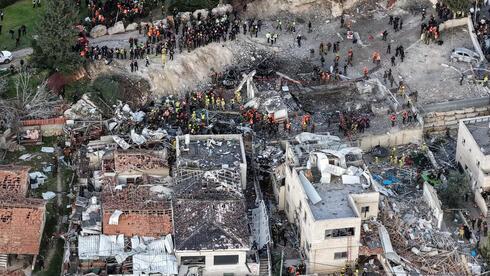
Iranian ballistic missile struck Beit Shemesh, directly hitting a public bomb shelter and residential buildings The strike killed nine people, according to multiple Israeli and international reports
22 outlets told this the same way.
Outlets did split on U.S. Intercepts Iran Message Activating Sleeper Cells After U.S.-Israel Strike Kills Khamenei →
Israel National News was read line by line by the Watchdog: 4.8. See the score →
Beit Shemesh missile strike
An Iranian ballistic missile struck the Israeli city of Beit Shemesh on Sunday and directly hit and leveled a public bomb shelter, according to multiple Israeli and international reports. The reports said the strike killed nine people. Emergency services and police said most or all of the fatalities had been inside the shelter.
“An Iranian ballistic missile struck the Israeli city of Beit Shemesh on Sunday, directly hitting and leveling a public bomb shelter. The strike killed nine people and wounded dozens; most or all of the fatalities had been inside the shelter, Jerusalem Police Deputy Commissioner Avshalom Peled said. Those in critical condition were airlifted to Shaare Zedek Medical Center, an IDF spokesperson said, and at least 20 people were still reported missing late Sunday. Beit Shemesh is about 30 km (18 miles) from Jerusalem.”
Wounded people were taken to hospitals including Shaare Zedek, and authorities reported dozens of injured and missing as search-and-rescue operations continued. Beit Shemesh lies roughly 20–30 km from Jerusalem, and the impact triggered a widespread emergency response in the area.
Rescue response at impact site
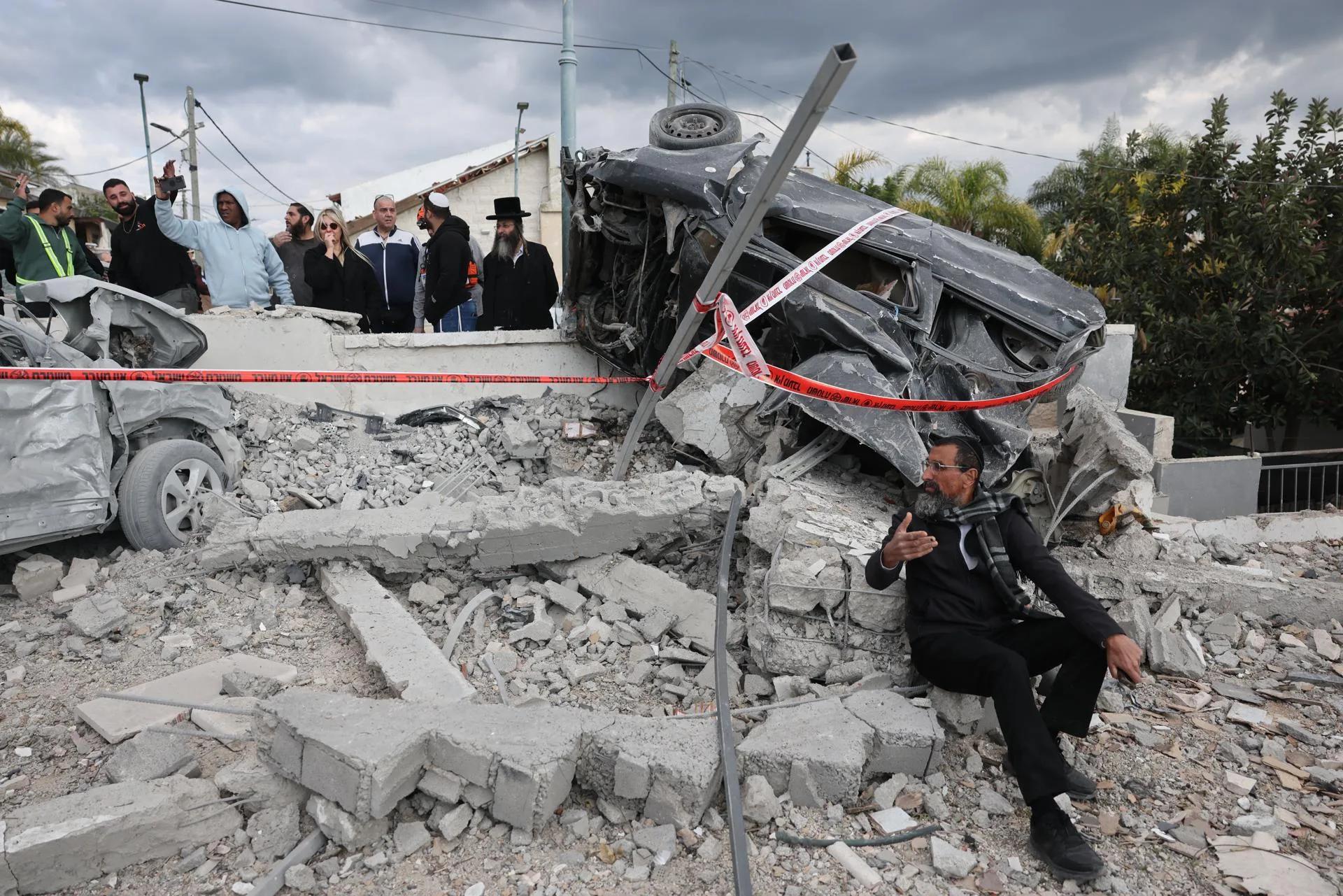
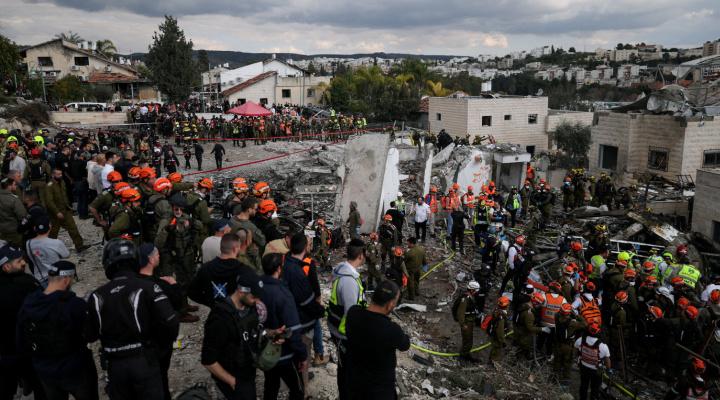
Rescue workers described chaotic, dramatic scenes at the impact site with heavy structural damage, smoke, frightened casualties, and people trapped beneath rubble. Teams with heavy equipment spent hours searching for survivors and recovering the dead. Witnesses and first responders reported parts of apartment buildings had collapsed.
An infant was pulled from a collapsed public shelter, and several children were removed from a damaged shelter. Authorities sealed off access routes and urged residents to follow civil-defense instructions. Emergency crews disconnected energy sources in the area to aid rescue operations.
Conflicting casualty counts
Reporting of wounded and missing numbers varies across outlets, producing conflicting counts of injuries and people unaccounted for. Reported injured counts include 27 (BBC), 28 (NST Online), about 40 (The Media Line), 51 (Ynetnews) and generically dozens (Algemeiner). Missing or unaccounted-for totals were reported as about 20 (Algemeiner, lokmattimes) and 11 (Ynetnews), and these discrepancies reflect ongoing rescue operations and evolving tallies from emergency services.
“At least nine people were killed and 27 injured when a missile struck the Israeli city of Beit Shemesh, emergency services say.”
Israel-Iran strike exchange
Israeli and international outlets place the Beit Shemesh strike inside a rapid escalation of strikes across the region. They report that Iran launched barrages targeting central and southern Israel, Tel Aviv and US bases, and say Iranian authorities framed the attacks as retaliation for a US–Israel wave of strikes the day before.
Some reports state those earlier strikes killed Supreme Leader Ayatollah Ali Khamenei, a claim presented as Iran’s justification for its barrage, while other reports note that the United States and Israel carried out joint strikes on February 28; these accounts contradict each other. Several outlets described the Beit Shemesh impact as the deadliest single blow so far in the exchange.
Regional conflict and casualties
Israeli authorities and military sources publicly accused Iran of deliberately firing at civilian neighborhoods. Officials said the specific missile that hit Beit Shemesh had not been intercepted, prompting an internal review of air-defence performance.
“The IDF posted on X that ‘the Iranian Regime directly fired missiles toward the civilian neighborhood of Beit Shemesh, killing innocent civilians,’ accusing Iran of purposely targeting civilians while saying Israeli strikes focus on terror targets.”
Iranian state media reported that former president Mahmoud Ahmadinejad and his bodyguards were killed in an apparent strike in Tehran, a claim flagged by some outlets as unconfirmed. The broader fighting has produced casualties on both sides and elsewhere in the region, with agencies reporting related deaths in Abu Dhabi, Kuwait and heavy losses cited in some Iran-linked strikes.
