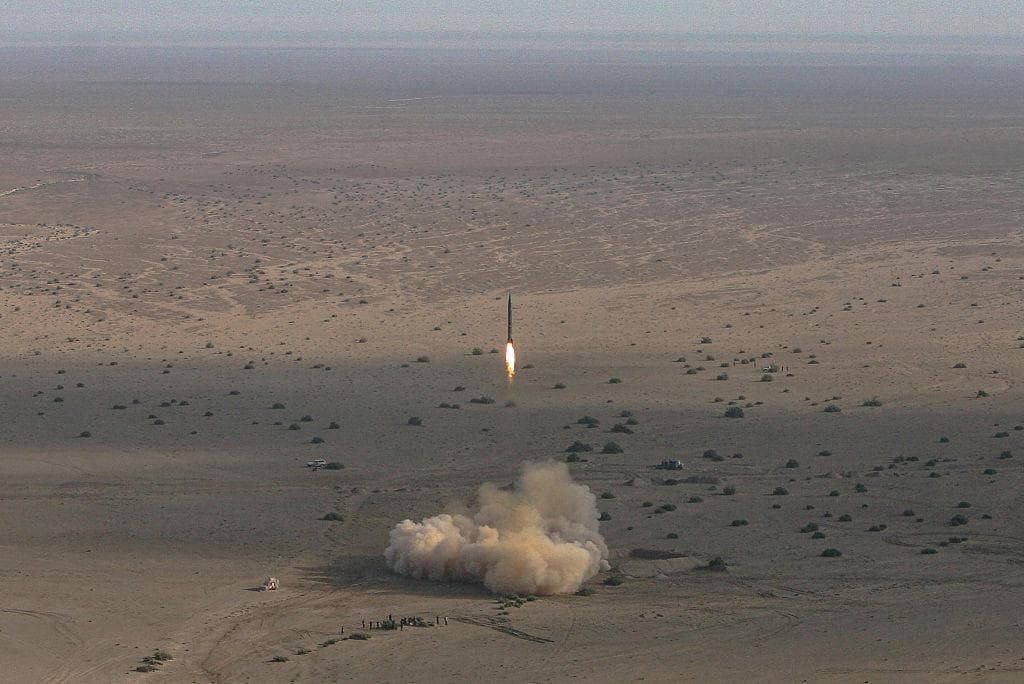
Iran Missile Threat Raises Global Alarm as Tehran Rejects Talks
Key Takeaways
- Tehran signaled it may rely on powerful missile capabilities.
- Tehran rejected renewed political talks with former U.S. President Donald Trump.
- Governments worldwide expressed concern and evaluated the announcement.
Tehran's announcement
The Iran missile threat has become a central issue in international diplomacy as Tehran signaled it may rely on powerful missile capabilities while rejecting renewed political talks with former U.S. President Donald Trump.
“Middle East — March 10, 2026 — Brussels Morning Newspaper — The Iran missile threat has become a central issue in international diplomacy as Tehran signaled it may rely on powerful missile capabilities while rejecting renewed political talks with former U”
The announcement has drawn significant attention from governments around the world as leaders attempt to evaluate the potential consequences of escalating military rhetoric.
Analysts say the Iran missile threat reflects deeper geopolitical tensions that have been building for several years across the region.
Rejection and rationale
Iranian officials recently stated that the country would not participate in renewed negotiations under the current political circumstances.
The rejection came alongside renewed emphasis on Iran’s missile capabilities.
For Tehran, missile forces represent a central pillar of national defense, and officials argue that maintaining strong deterrence capabilities is essential for protecting the country from external threats.
The Iran missile threat therefore serves not only as a military posture but also as a political signal intended to demonstrate that Iran will not compromise its security interests.
Political analysts believe the decision reflects ongoing mistrust between Iran and Western governments that has persisted since the collapse of previous diplomatic agreements.
Missile arsenal details
Iran has invested heavily in missile technology for decades, and military experts believe the country now possesses one of the largest missile arsenals in the Middle East.
“Middle East — March 10, 2026 — Brussels Morning Newspaper — The Iran missile threat has become a central issue in international diplomacy as Tehran signaled it may rely on powerful missile capabilities while rejecting renewed political talks with former U”
These capabilities form the foundation of the Iran missile threat that many governments consider when evaluating regional security dynamics.
Iran’s missile systems include both short range and long range weapons designed for various strategic scenarios, with some missiles capable of precision strikes while others are designed for broader deterrence.
Tehran frequently conducts military exercises to demonstrate the readiness of its missile forces, often showcasing new technological developments aimed at improving range, accuracy, and survivability.
Supporters of Iran’s defense strategy argue that missile development is necessary to maintain balance in a region characterized by complex military alliances.
Global reaction and risks
International reactions to the Iran missile threat have been cautious but concerned, with governments across Europe, Asia, and the Middle East emphasizing the importance of diplomacy in preventing further escalation.
Some countries have warned that increased military rhetoric could create additional instability, while others have pointed out that diplomatic engagement remains the most effective tool for resolving disputes.
Security analysts warn prolonged geopolitical tension could increase the risk of accidental confrontation and urge maintaining communication channels to reduce misunderstandings and maintain regional stability.
Financial markets and energy analysts closely watch developments because any escalation could disrupt production or transportation routes, potentially affecting global energy prices and supply chains that depend on Middle Eastern shipping lanes.
Humanitarian organizations warn that escalation could have serious consequences for civilian populations, including displacement and infrastructure damage, and diplomats continue quiet behind-the-scenes discussions aimed at reducing tensions and identifying compromises.
Experts say the situation places the region at a critical crossroads where decisions in the coming months could shape regional stability and test international diplomacy between deterrence and negotiation.
More on Iran
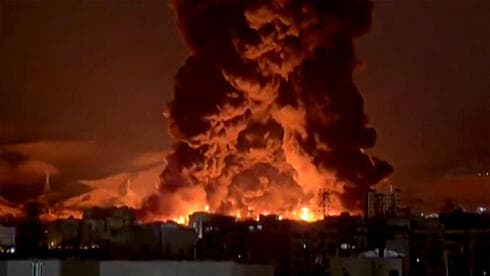
US obliterates military targets on Iran’s Kharg Island, Trump warns
13 sources compared
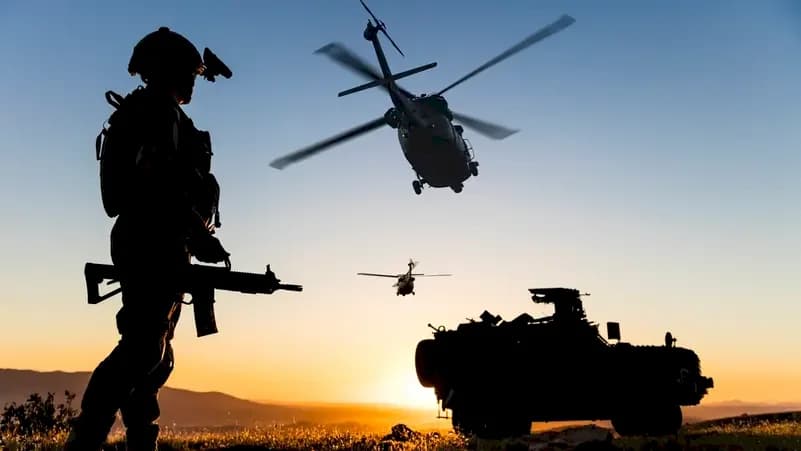
US Deploys About 2,500 Marines to Middle East After Iran Attacks Gulf Shipping
33 sources compared
FBI Warns of Iranian Drone Plot Based on Unverified Tip; California Says No Credible Threat
10 sources compared

White House Demands ABC Retract Report Claiming Iran Sought To Launch Drone Attacks On California
11 sources compared