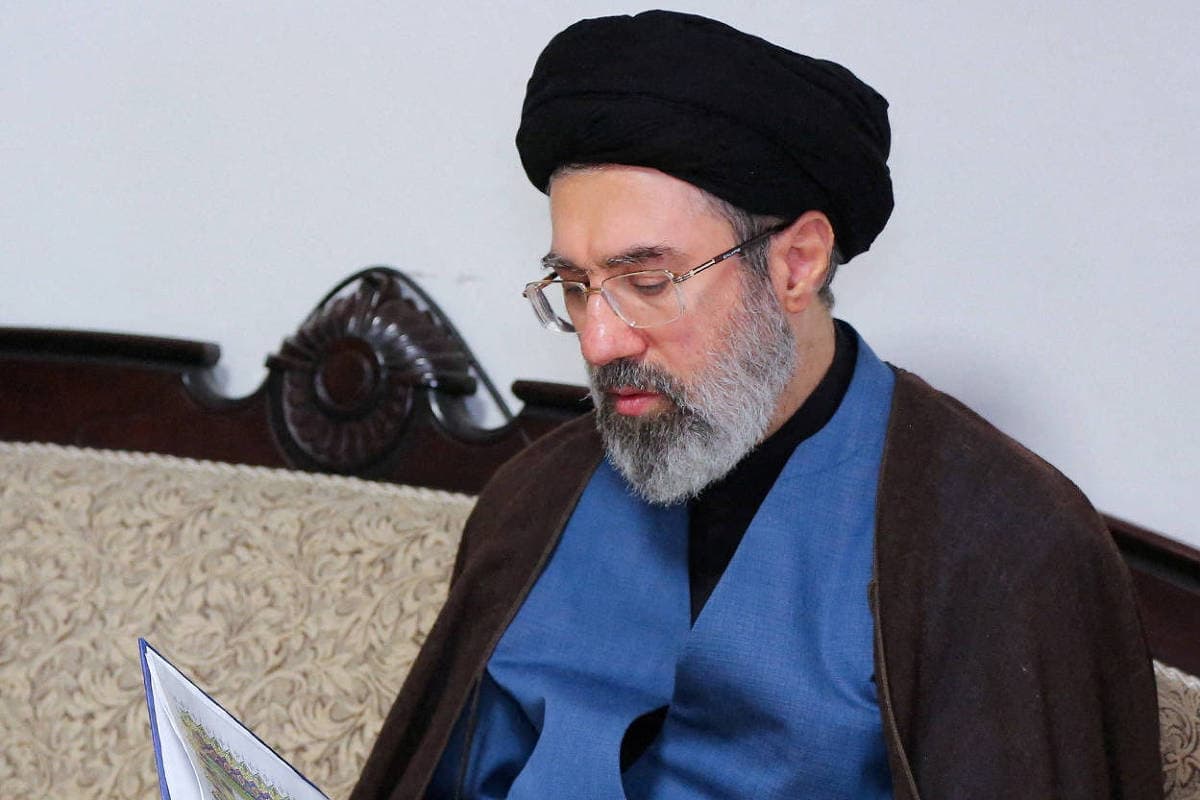
Iran Names Mojtaba Khamenei Supreme Leader
New Supreme Leader in Iran
Iran’s Assembly of Experts announced Mojtaba Khamenei, 56, as the country’s new supreme leader.
“The selection of Mojtaba Khamenei, 56, to succeed his father as Iran’s Supreme Leader serves the more immediate wishes of what remains of the Islamic theocracy installed in power since 1979”
He is the son of the late Ayatollah Ali Khamenei.
The assembly urged the public and elites to pledge allegiance.
Outlets report Mojtaba has close ties to the Islamic Revolutionary Guard, suggesting continuity with his father’s hard-line rule.
Those reports suggest rapid consolidation at the top of the theocratic state.
Succession and international response
The appointment follows the killing of Ayatollah Ali Khamenei on Feb. 28 in a U.S.–Israeli strike that marked the start of the wider war.
U.S. and Israeli leaders had already signalled hostility to Mojtaba's elevation, with the U.S. president publicly calling him an unacceptable successor.
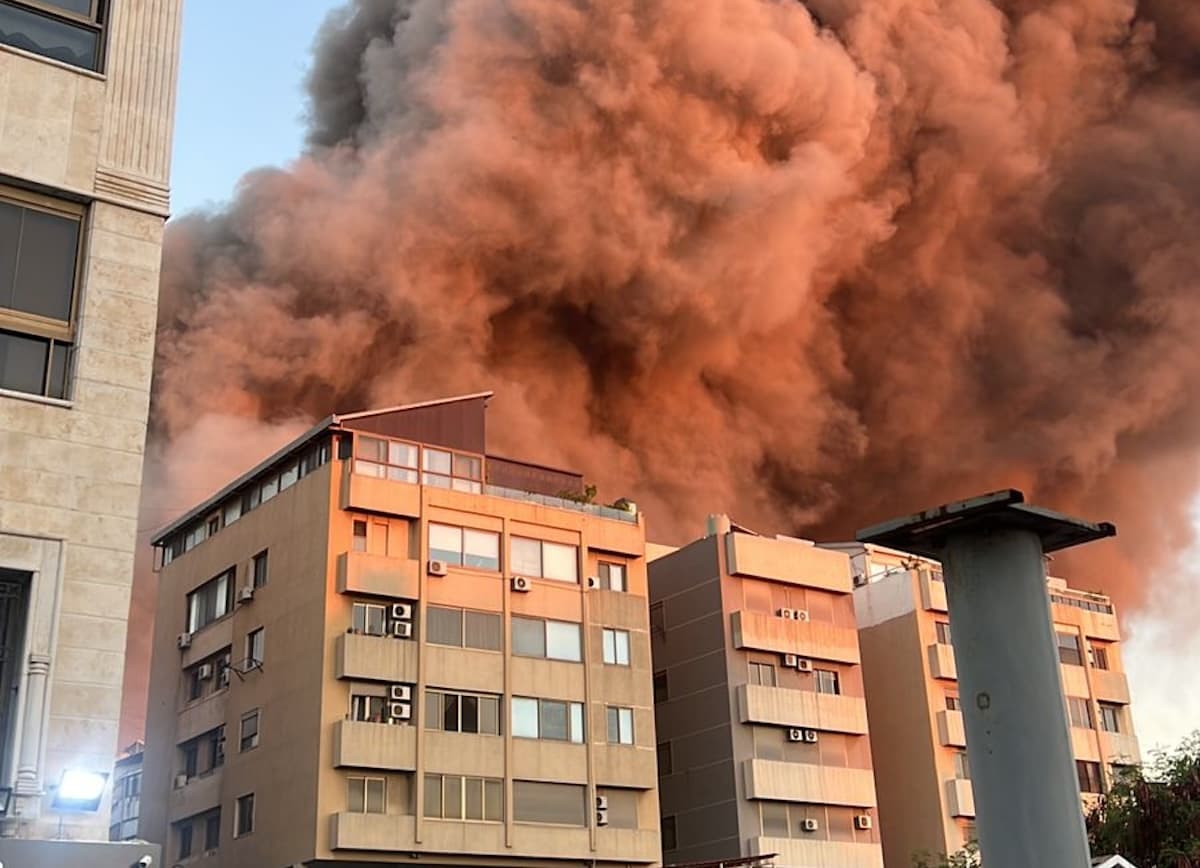
Israel warned it would pursue and target any successor, with Prime Minister Benjamin Netanyahu saying he seeks to "destabilize the regime and enable change."
Mojtaba amid regional violence
Coverage highlights that Mojtaba’s selection comes amid escalating regional violence.
“Iran names Mojtaba Khamenei as its new supreme leader Iran has named Mojtaba Khamenei to be its new supreme leader, according to Iranian state television”
NPR reports continued strikes and casualties, including the death of an American service member.
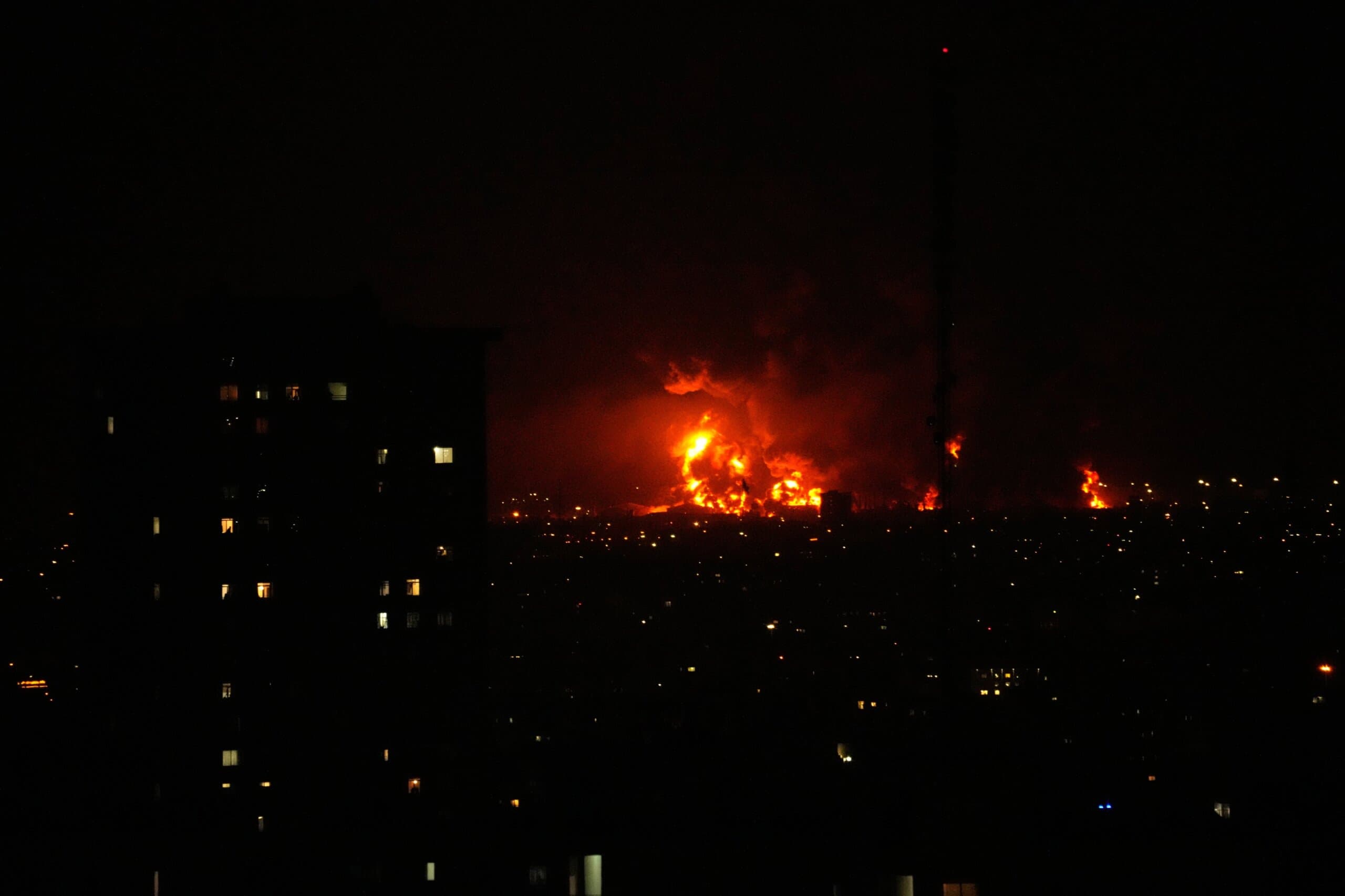
NPR reports Israeli attacks on Iranian oil infrastructure that produced large fires.
NPR reports Iranian retaliation against regional infrastructure, such as a desalination plant in Bahrain.
These reports underscore how the leadership change has unfolded in a high-intensity conflict environment.
Militarization of Iran's power
Analysts cited by Folha argue the choice of Mojtaba signals a deeper, pre-existing shift toward militarization of Iran’s power structures.
They point to the IRGC’s progressive infiltration of political and economic institutions as part of this trend.
Earlier events such as sanctions, the U.S. withdrawal from the nuclear deal, domestic protests, and prior regional conflicts have all accelerated the movement that places uniformed figures closer to the centre of authority.
Folha notes this balance could change if the new leader distances himself from the Guard.
Succession reporting and implications
Reporting emphasises both the speed and the institutional mechanics of the succession.
“The selection of Mojtaba Khamenei, 56, to succeed his father as Iran’s Supreme Leader serves the more immediate wishes of what remains of the Islamic theocracy installed in power since 1979”
Folha describes the use of constitutional mechanisms and an empowered troika to move quickly despite battlefield pressures.
NPR notes domestic calls for allegiance and external actors' stated intentions toward Iran's leadership, factors that shape how durable Mojtaba Khamenei's position may prove in the near term.
Key Takeaways
- Mojtaba Khamenei, 56, son of Ali Khamenei, was named Iran's leader.
- Ali Khamenei was killed by air strikes at the start of the war.
- Mojtaba's elevation signals continuity of his father's rule with increased military influence.
More on Iran-Israel

Israel Bombs Tehran Oil Depots, Blankets Capital With Toxic Black Smoke and Oil Rain
11 sources compared

U.S. and Israel Kill Iran's Supreme Leader, Trigger Regional War
49 sources compared

Iran Kills Seventh U.S. Service Member After Attack on Saudi Military Base
16 sources compared
Bahrain Says Iran Struck Desalination Plant, Threatening Gulf Drinking Water
22 sources compared