Full Analysis Summary
Iran nuclear talks stance
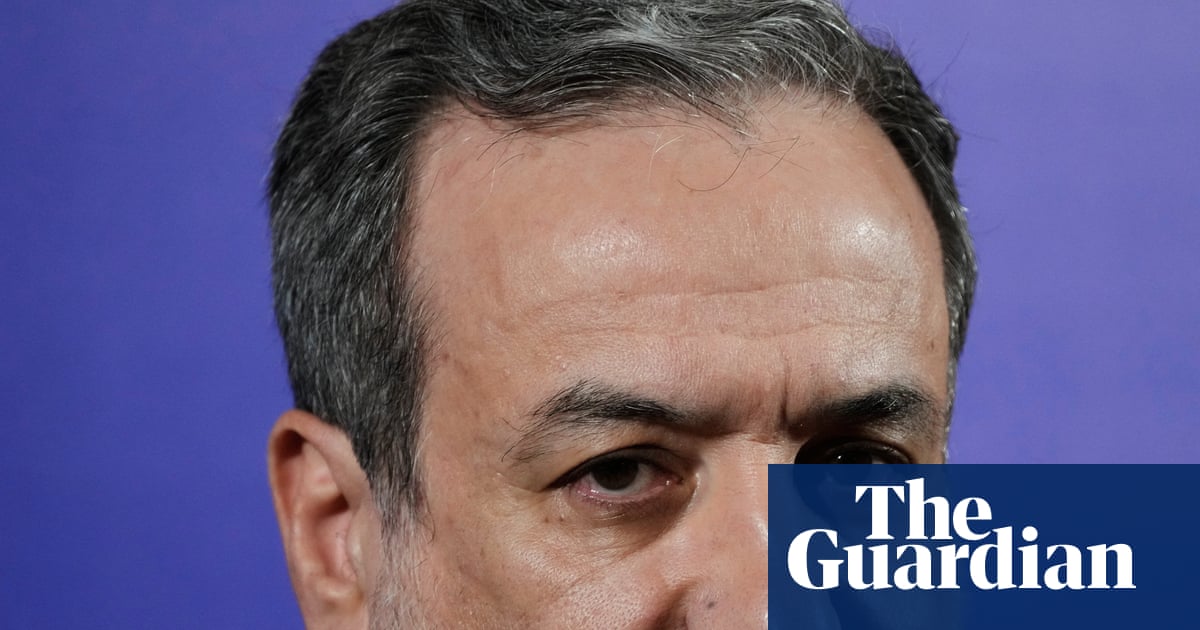
Iran's foreign minister, Abbas Araghchi, said Tehran is willing to reopen nuclear negotiations with Washington if the United States treats Iran with dignity and respect.
He presented diplomacy as the only viable path forward.
Araghchi said intermediaries have sought to restart talks but that Iran has not yet received coherent offers.
He denied that Iran possessed undeclared nuclear sites.
Araghchi also said UN inspectors cannot currently visit locations damaged in June's Israeli–US attacks for security reasons, framing the restart offer around procedural guarantees and safety constraints.
Coverage Differences
Tone and completeness
The Guardian (Western Mainstream) presents a detailed diplomatic account including quotes and operational constraints, Roya News (West Asian) reports similar core claims but emphasizes Iranian dignity and criticism of Western pressure, while Firstpost (Asian) does not provide substantive coverage and explicitly states it lacks the article text—leaving a gap in Asian press coverage in the provided sources. The Guardian quotes Araghchi directly about dignity and technical inspection limits, Roya News reports criticism of Western attempts to impose their will and reiterates diplomacy as the solution, and Firstpost states it cannot summarize without the article or link.
Iran nuclear diplomacy
Araghchi reaffirmed Iran's inalienable right to enrich uranium domestically and mentioned a previously proposed Iran-based enrichment consortium with US participation that collapsed amid political 'spoilers' in Washington, saying such an arrangement could be revived if talks resumed.
He framed the offer to negotiate not as capitulation but as conditional diplomacy that preserves Iran's sovereign nuclear rights while leaving room for negotiated oversight mechanisms if mutual trust can be rebuilt.
Coverage Differences
Narrative emphasis
The Guardian (Western Mainstream) highlights Iran’s framing of enrichment as an 'inalienable' right and blames US political spoilers for collapsing a proposed consortium; Roya News (West Asian) echoes that the consortium is off the table but describes the stance more as balancing national pride with cautious engagement. Firstpost provides no content to confirm or contest these claims, creating an informational gap from the Asian source in the supplied set.
Iran's June escalation response
On the June escalation, Araghchi said Iran emerged 'stronger militarily and psychologically' after the 12-day assault.
He accused the United States and Israel of coordinating the attacks and said this had sabotaged trust.
Roya News similarly reported that Araghchi described the Israeli attacks as coordinated with the United States and said the experience made Tehran more cautious about rebuilding trust.
Both sources therefore combine a message of deterrence with a conditional openness to diplomacy.
Coverage Differences
Tone and attribution
The Guardian (Western Mainstream) quotes Araghchi using emphatic language about emerging 'stronger' and directly attributes an accusation that the US and Israel 'sabotag[ed] trust' by coordinating attacks; Roya News (West Asian) reports the coordination claim and emphasizes the caution it instilled in Tehran. Firstpost contains no reporting on this episode in the provided snippet, so it neither corroborates nor challenges these claims.
Media framing comparison
The Guardian provides specific operational details — UN inspection limits, intermediaries’ approaches, and explicit quotes about 'dignity and respect' — and situates the story within a broader Western diplomatic context.
Roya News emphasizes Iranian criticism of Western attempts to 'impose their will' and highlights domestic pride and caution as drivers of Tehran’s stance.
The absence of a usable Firstpost article in the supplied materials leaves a gap in Asian-perspective reporting in this set.
Coverage Differences
Framing and omission
The Guardian (Western Mainstream) frames the stance with concrete operational constraints and direct quotes about negotiation conditions; Roya News (West Asian) emphasizes criticism of Western pressure and Iran’s balancing act between pride and diplomacy; Firstpost (Asian) does not supply an article here and explicitly requests the text or link, meaning the Asian perspective is not represented among the substantive reports provided.
Tehran's conditional talks and narratives
Both available reports show Tehran offering conditional talks anchored in demands for dignity, respect, and security guarantees.
The reports also show Tehran asserting its rights and signaling strengthened deterrence after the June escalation.
The supplied sources vary in emphasis: The Guardian focuses on procedural specifics and inspectors.
Roya News emphasizes criticism of Western pressure and national pride.
Firstpost provided no substantive text in the snippet, leaving an evidentiary gap for the Asian-source perspective.
Coverage Differences
Summary contrast and evidentiary gap
Both The Guardian (Western Mainstream) and Roya News (West Asian) convey an Iranian offer to reopen talks conditioned on dignity and respect, but The Guardian provides more detailed logistical claims (inspection access, intermediaries) while Roya News frames the stance in terms of resisting Western imposition and balancing pride with diplomacy; Firstpost (Asian) did not supply the article text in the provided material, creating a missing perspective in this compilation.