Abbas Araghchi Arrives in Russia for Talks With Vladimir Putin to End U.S.-Israel War on Iran
Key Takeaways
- Abbas Araghchi arrived in Russia to meet Putin on efforts to end the US-Israel war.
- The visit follows Araghchi's diplomacy in Pakistan and Oman amid stalled peace talks.
- Russia seeks Tehran's cooperation as US-Iran talks remain on hold.
Araghchi heads to Russia
Iran’s top diplomat Abbas Araghchi arrived in Russia for talks with President Vladimir Putin as part of efforts to end the United States-Israel war on Iran, Al Jazeera reported.
“Iranian Foreign Minister Abbas Araghchi has arrived in Russia for talks with President Vladimir Putin, as part of efforts to end the United States-Israel war on Iran”
Al Jazeera said Araghchi told Iranian media that he traveled to Russia “with the aim of continuing close consultations between Tehran and Moscow on regional and international issues”.

The visit came after an earlier meeting in Muscat with Omani officials, as Iran sought to rally regional and international support for renewed negotiations, Al Jazeera added.
Al Jazeera also said Araghchi’s meeting with Putin “will be a good opportunity to discuss developments in the war and review the latest situation”.
The BBC framed the trip as a response to a stalled diplomatic track, saying Araghchi visited Pakistan twice and Oman before arriving in Russia.
In St Petersburg, the BBC reported Araghchi blamed Washington for the failure to reach a deal, while Donald Trump said he was still waiting for Iran to reply to “his most recent proposals”.
Multiple outlets tied the Russia leg to the same broader impasse over the war and negotiations.
Ceasefire strain and blockade
The diplomatic push toward ending the war unfolded against a ceasefire that had already shown strain, according to Al Jazeera and BBC reporting.
Al Jazeera said Washington and Tehran agreed to a temporary ceasefire on April 8 following more than a month of fighting that began with US and Israeli attacks on Iran.
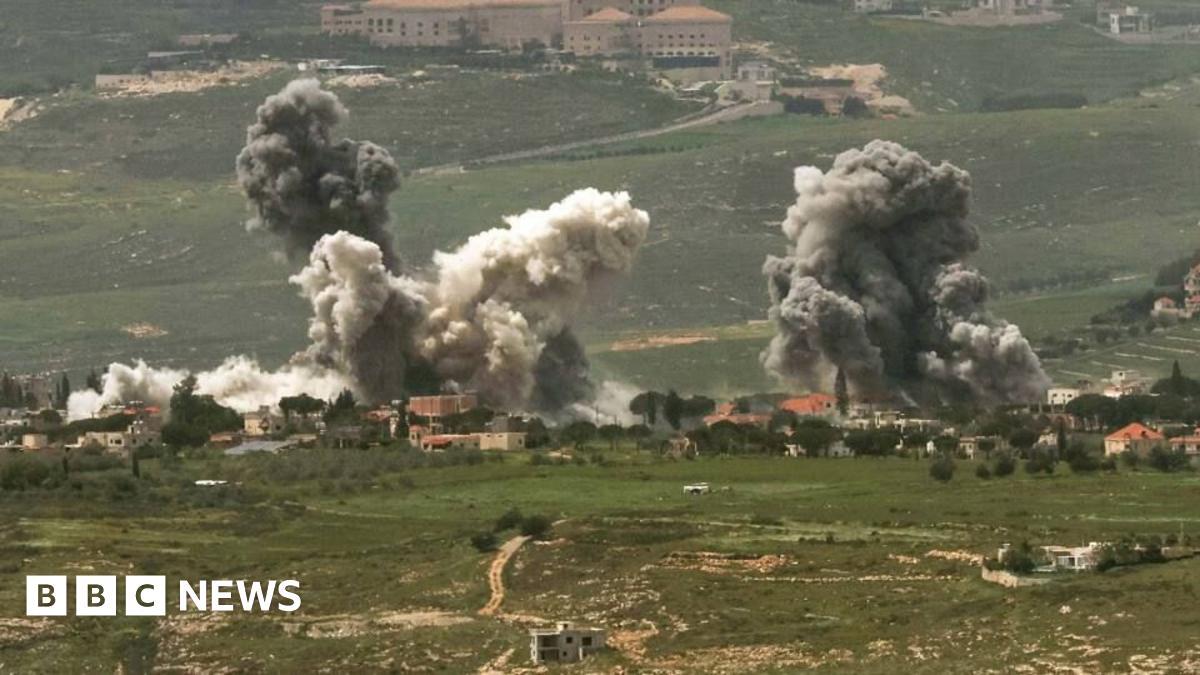
It added that the truce, mediated by Pakistan, has since been strained by disputes over shipping through the Strait of Hormuz and a US blockade on Iranian ports.
Al Jazeera further said a parallel conflict involving Israel and Lebanon also threatened to complicate negotiations.
The BBC described the situation as a direct-talks impasse, saying “With direct talks to end the Iran war on hold”.
CNN’s live updates similarly tied the stalemate to the Strait of Hormuz, saying “Iranian cargo is still transiting the strait, according to the latest shipping data, in defiance of a US blockade against Iranian ports”.
Across the coverage, the Strait of Hormuz and the blockade remained the central operational friction point even as diplomacy continued.
Red lines and competing blame
As Araghchi traveled, multiple outlets reported competing explanations for why talks stalled, with Iran pointing to Washington’s approach and the United States pointing to Iran’s lack of a satisfactory offer.
“Paul Adams Diplomatic correspondent With direct talks to end the Iran war on hold, Iran’s foreign minister has been on the move for several days, visiting Pakistan twice, and Oman, before arriving in Russia”
Al Jazeera reported that Russia was likely to play a central role, quoting Tohid Asadi: “We have a scenario for diplomatic settlement and another for confrontation,” and “Russia is going to play a key role when it comes to both”.
The BBC said Araghchi blamed Washington for the failure to reach a deal, and it framed the impasse as direct talks being on hold.
Gulf News added a domestic legal and security framing by quoting Ebrahim Azizi about the Strait of Hormuz and seeking to prohibit the passage of "hostile vessels".
The Jerusalem Post and Detroit News both reported Trump’s public stance that Iran could negotiate by phone and that it “cannot have a nuclear weapon”.
CNN’s live updates said Araghchi passed a list of Tehran’s “red lines” to intermediary Pakistan, including “nuclear issues and the Strait of Hormuz”.
The combined picture across outlets is a negotiation process where each side’s conditions and accusations are presented as the reason the other side has not moved.
European and regional stakes
While diplomacy centered on Iran and the United States, several sources tied the stakes to wider regional dynamics and to the economic consequences of Strait of Hormuz disruption.
Gulf News said oil prices rose and stock markets were steady on Monday as peace talks between the US and Iran stalled, with Brent crude staying above $100 a barrel and both main oil contracts up around one per cent.

It also reported that China opposed a US decision to sanction Hengli Petrochemicals in China’s northeastern port city of Dalian and quoted Lin Jian saying, “China always opposes illegal unilateral sanctions that lack a basis in international law and urges the US to stop its wrong practices of abusing sanctions and exercising long-arm jurisdiction,”.
Gulf News described a proposed Iranian law for managing the waterway and said Iran’s armed forces were already in control of the strait.
CNN’s live updates added a linked layer by reporting Israeli strikes on “Hezbollah infrastructure” in southern Lebanon and noting strikes in the Beqaa Valley and additional areas across southern Lebanon.
CNN said Israeli strikes killed 14 people – including two children – in southern Lebanon on Sunday, citing Lebanese health officials.
Al Jazeera said the parallel conflict involving Israel and Lebanon also threatened to complicate negotiations, connecting the regional front to the diplomatic effort.
What comes next in talks
The sources describe an immediate next-step agenda that combines continued mediation with high-level meetings and domestic political calculations.
Al Jazeera said Trump scrapped plans to send Special Envoy Steve Witkoff and adviser Jared Kushner to Islamabad for talks with Iran on Saturday, citing “tremendous infighting and confusion” within Tehran’s leadership.

Al Jazeera also reported that Masoud Pezeshkian reiterated that Tehran will not enter negotiations while the blockade remains in place, and it cited CENTCOM saying “American forces have directed 38 ships to turn around or return to port,”.
CNN’s live updates said Trump planned to meet with top national security officials “today” after peace talks stalled, and it said officials would discuss options including whether to resume the US bombing campaign.
The Express Tribune and DW both described Araghchi’s explanation that “Americans' approach led to the previous round of talks to fail to meet its objectives, despite the progress made.”
The Times of Israel reported that Axios said Iran’s proposal centered on reopening the Strait of Hormuz and ending the war while delaying nuclear negotiations to a later stage.
Across these accounts, the next steps depend on whether the blockade and Strait of Hormuz conditions can be reconciled enough to restart talks, and whether the US and Iran accept each other’s stated red lines.
More on Iran
Oil Prices Rise as US-Iran Peace Talks Stall, Strait of Hormuz Tensions Grow
13 sources compared

King Charles III and Queen Camilla Begin Four-Day US State Visit With Trump Tea
10 sources compared

Oil Prices Rise as US-Iran Peace Talks Stall and Strait of Hormuz Remains Constrained
14 sources compared

Abbas Araghchi Meets Vladimir Putin in Russia as US-Iran Talks Stall
20 sources compared