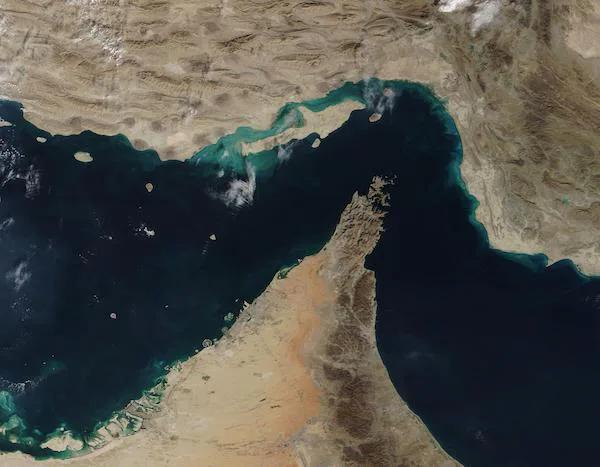
Iran Offers U.S. Deal Via Pakistan To Reopen Strait Of Hormuz, End War, Postpone Nuclear Talks
Key Takeaways
- Iran proposed via Pakistani mediators to end the war and reopen the Strait of Hormuz.
- Nuclear talks postponed to a later stage.
- Uncertainty remains whether Washington is serious about diplomacy.
Iran’s Hormuz-first proposal
Iran has presented a new proposal to the United States through Pakistani intermediaries aimed at reopening the Strait of Hormuz and ending the war, while postponing nuclear negotiations to a later stage, according to Axios as cited by multiple outlets.
“In a long-awaited move, Iran has presented a new proposal for negotiations with the United States through Pakistani intermediaries, amid a stalemate in efforts to hold a second round of direct negotiations in Pakistan”
The proposal was discussed during Iranian Foreign Minister Abbas Araghchi’s visit to Pakistan, and it focuses on addressing the Hormuz Strait crisis and the U.S. naval blockade as a priority, according to Al-Jazeera Net.

The Times of Israel similarly reported that Iran proposed a deal to reach an agreement on reopening the Strait of Hormuz and ending the war, while delaying negotiations on Tehran’s nuclear program to a later stage, after hoped-for talks in Pakistan over the weekend failed to materialize.
Axios described the diplomacy as being in a stalemate and said the Iranian leadership is divided about what nuclear concessions should be on the table, with the Iranian proposal designed to bypass that issue “en route to a faster deal.”
The Guardian framed the same core idea as Iran offering to end its “chokehold on the strait of Hormuz” without addressing its nuclear program, citing two regional officials with knowledge of the proposal.
In the proposal’s sequencing, the ceasefire would be extended for a long period or become a permanent end to the war, and nuclear talks would begin only after the strait is reopened and the blockade lifted, according to Axios and repeated in reporting by The Times of Israel and Türkiye Today.
How the plan is staged
Al-Jazeera Net reported that the Iranian plan, described by Tehran-based researcher Dr. Hossein Royoran, consists of three stages that come from the negotiations in Islamabad.
In Royoran’s account, Phase One would involve “decisively settling the war and ending the aggression completely, not just extending the ceasefire,” while Phase Two would open the Strait of Hormuz as the United States wants as a priority and settle it.

Phase Three would then address the nuclear issue, and Royoran said Iran proposed converting the 60% enriched uranium to 20% for use in medical applications.
Al-Jazeera Net also said Royoran added that these three steps have counterparts on the Iranian side, including lifting sanctions on Iran, the fines (compensation) Iran seeks, and the Iranian funds that have been frozen since the start of the Islamic Revolution.
The Guardian’s reporting on the proposal’s intent aligned with the idea of separating the strait from nuclear demands, saying Iran wants the US to end its blockade as part of its proposal and that the plan likely won’t be supported by Donald Trump because he wants Iran’s atomic program addressed.
The Times of Israel provided additional context for why the strait is central, saying the strait has been at the center of a standoff since a ceasefire between Iran and the US and Israel entered into effect on April 8, as Iran restricted movement through it and the US imposed a blockade of Iranian ports.
Voices: Trump, Wales, Araghchi
The proposal’s reception inside Washington is reflected in statements attributed to President Donald Trump and White House spokesperson Olivia Wales, alongside comments from Iranian Foreign Minister Abbas Araghchi.
“• Hectic diplomacy: Iran’s Foreign Minister Abbas Araghchi has landed in Russia to meet with President Vladimir Putin and discuss the status of negotiations, according to state media, after visiting with key mediators in Pakistan and Oman this weekend”
Axios reported that Trump signaled his approach in a Fox News interview, including the line: “When you have vast amounts of oil pouring through your system ... if for any reason this line is closed because you can't put it into containers or ships ... what happens is that line explodes from within.”
Axios also quoted Trump’s warning that “They say they only have about three days before that happens,” and it said Trump was expected to hold a Situation Room meeting on Iran on Monday with his top national security and foreign policy team.
In the same Axios reporting, Wales told Axios that “These are sensitive diplomatic discussions and the U.S. will not negotiate through the press,” and she added that “the United States holds the cards and will only make a deal that puts the American people first, never allowing Iran to have a nuclear weapon.”
Al-Jazeera Net added that Mehr News Agency quoted Araghchi as saying that excessive American demands caused the negotiations to fail to achieve their objectives, and that Pakistan played a significant mediating role in the Iran-U.S. talks.
CNN’s reporting added that Araghchi said it’s not clear if Washington is “truly serious about diplomacy” after Trump scrapped plans for his envoys’ visit, and it repeated Trump’s line: “If they want to talk, they can come to us, or they can call us.”
Where outlets diverge
While the core reporting across outlets centers on Iran’s Hormuz-first proposal, the framing and emphasis vary between Western mainstream coverage and regional or alternative outlets.
The Guardian described the proposal as Iran offering to end its “chokehold on the strait of Hormuz” without addressing its nuclear program, and it said two regional officials with knowledge of the proposal believed it “likely won’t be supported” by Donald Trump.

Al-Jazeera Net, by contrast, framed the proposal as a separation of files—“ending the war and opening the Strait of Hormuz first, and postponing nuclear negotiations to a later stage”—and it explicitly asked how the proposal differs from the previous one by noting that Washington previously insisted on tying everything to the nuclear file.
The Times of Israel emphasized the diplomatic sequence and the failure of hoped-for talks in Pakistan, saying the Axios report was published after Abbas Araghchi returned to Islamabad following a visit to Oman and after Trump signaled he did not plan to dispatch a negotiating team.
International Business Times and Türkiye Today both highlighted the White House’s leverage concern, with International Business Times describing the proposal as removing “the U.S.'s most important leverage” and Türkiye Today stating that lifting the blockade and ending the war would remove Trump’s primary source of leverage for future nuclear talks.
CNN added a different dimension by reporting on the operational impact of the blockade, saying “The two-week-old US blockade has prevented 38 ships from entering or leaving Iranian ports,” and it also described Araghchi’s regional tour and his planned meeting with Russian President Vladimir Putin.
Stakes: blockade, leverage, next steps
The stakes described by the sources revolve around whether the United States will accept the sequencing that would reopen Hormuz and lift the blockade before nuclear negotiations, and what that would do to Washington’s leverage.
“Skip to main content”
Axios said lifting the blockade and ending the war would remove President Trump’s leverage in any future talks to remove Iran’s stockpile of enriched uranium and convince Tehran to suspend enrichment, describing those as two primary war objectives for Trump.
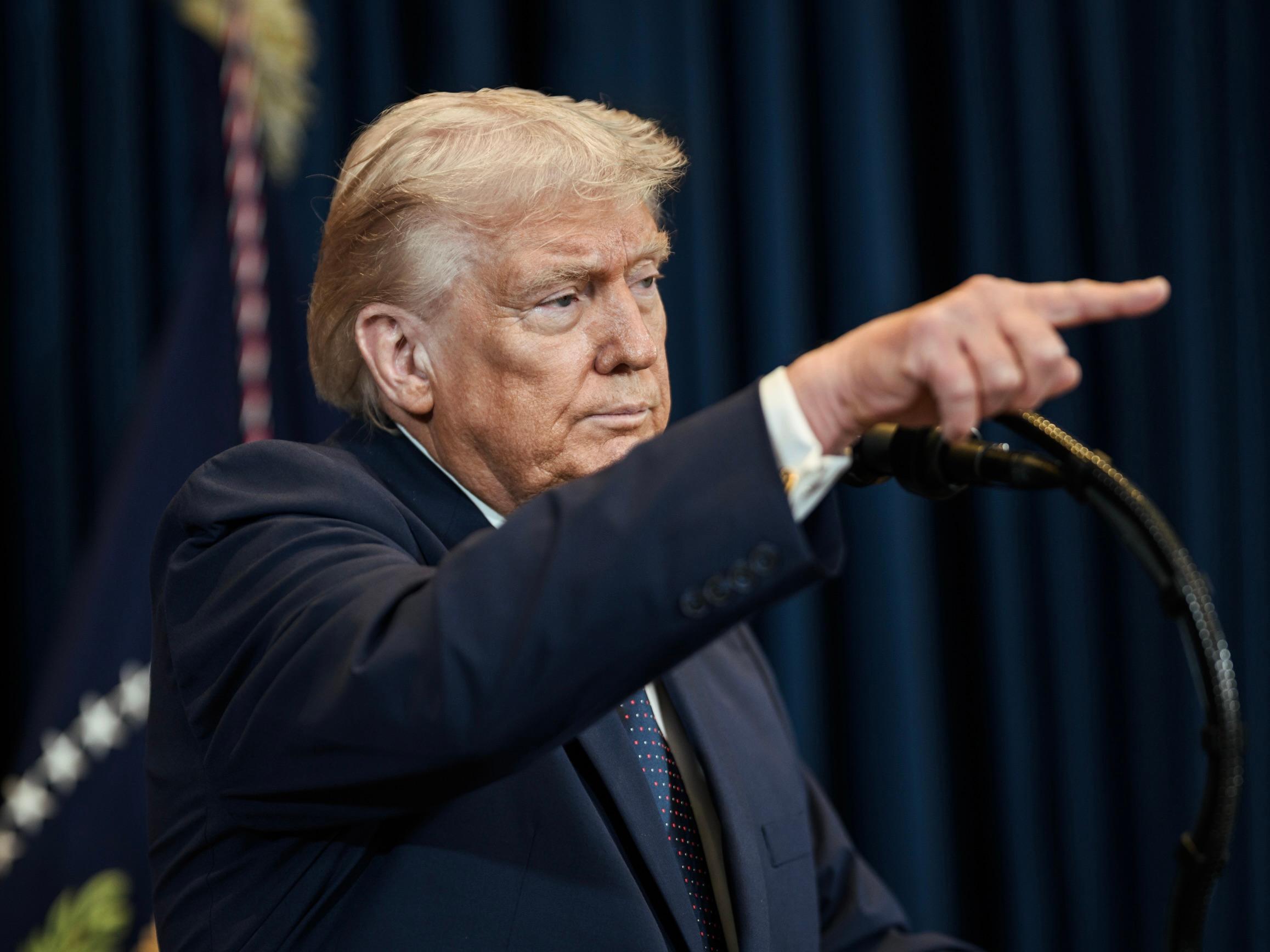
The Times of Israel similarly said that resolving the standoff over the Strait of Hormuz, lifting the US blockade and allowing Iran’s oil exports to flow again would leave Trump and Washington without much leverage for future negotiations.
Türkiye Today and International Business Times both echoed the leverage concern, with Türkiye Today saying the central problem from Washington’s perspective is that lifting the blockade and ending the war would remove Trump’s primary source of leverage for any future nuclear talks.
At the same time, Trump’s stated preference is to maintain the naval blockade, and multiple outlets repeated his warning that the oil channel could “explode” within days if closed, including the line “They say they only have about three days before that happens.”
The next step in the sources is a U.S. internal decision process: Axios said Trump was expected to hold a Situation Room meeting on Iran on Monday with his top national security and foreign policy team, and CNN reported Araghchi’s continued diplomacy in Russia with Putin.
More on Iran

Iran Offers U.S. Deal To Reopen Strait of Hormuz, End War, Postpone Nuclear Talks
11 sources compared

Oil Prices Rise as US-Iran Peace Talks Stall, Strait of Hormuz Tensions Grow
13 sources compared

King Charles III and Queen Camilla Begin Four-Day US State Visit With Trump Tea
10 sources compared

Oil Prices Rise as US-Iran Peace Talks Stall and Strait of Hormuz Remains Constrained
14 sources compared