Iran08 April, 20261 min read
Iran Recloses Hormuz and Bombs Lebanon After US-Iran Ceasefire
Iranian state media say Hormuz closed to tanker traffic after Israeli strikes on Lebanon. Two-week Iran-US ceasefire begins; Iran says Israel violates by strikes in Lebanon.
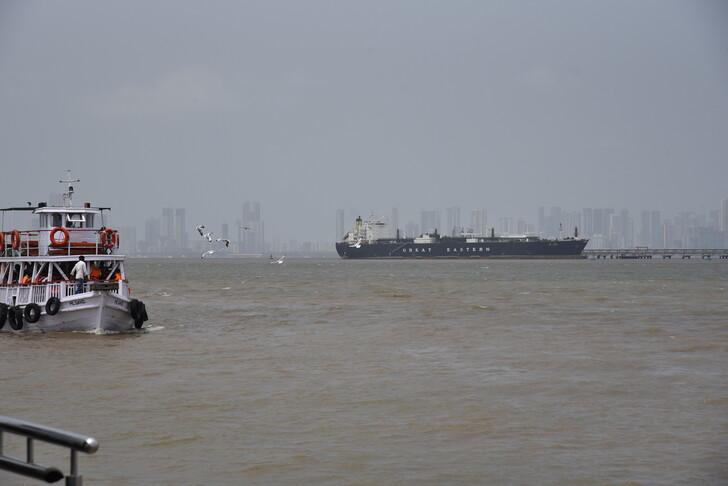
Hormuz Reclosure
Iran reclosed the Strait of Hormuz just hours after accepting a US-Iran ceasefire that included reopening the waterway. Israel launched its heaviest bombardment on Lebanon, striking more than 100 Hezbollah targets. Two tankers were able to transit shortly after the ceasefire went into effect.
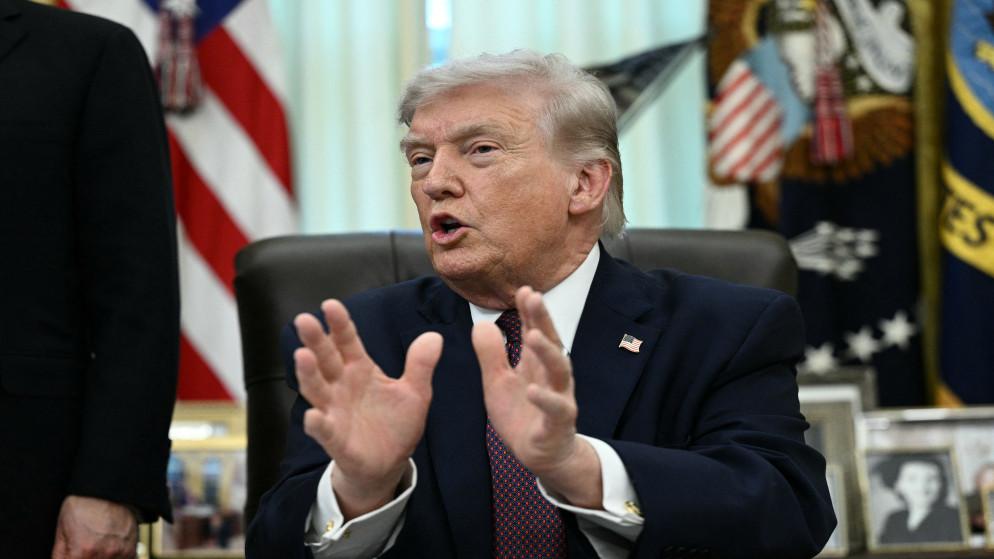
Iran's Fars news agency said traffic was stopped due to Israeli ceasefire breach. White House press secretary Karoline Leavitt called the closure completely unacceptable.
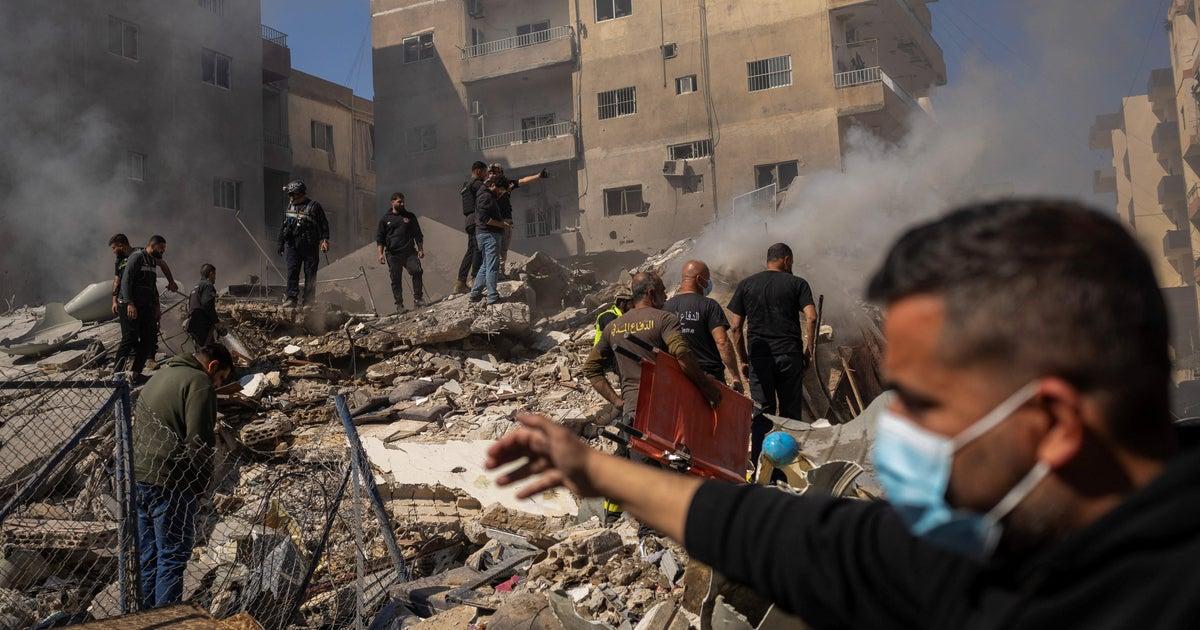
Lebanon's health ministry reported at least 112 dead and 837 wounded from the Israeli strikes. General Mousavi warned Iranian forces were preparing a heavy response.
Ceasefire Ambiguities
The ceasefire's scope emerged as a central point of contention. Pakistan insisted Lebanon was included, while Trump and Netanyahu said it did not cover Israel's war against Hezbollah.
Iranian Foreign Minister Abbas Araghchi said the ceasefire was clear and explicit and pointed directly to Lebanon. The disparity quickly translated into resumed hostilities as Israel bombed Lebanon hours after the ceasefire took effect.
Economic and Regional Ripples
The Hormuz shutdown disrupted roughly 20% of global oil trade. The New York Post reported Iran demanding tolls as high as $2 million per ship.
The German energy giant Siemens warned broader regional impacts could reach beyond oil markets. The sequence of reopening and reclosing Hormuz in less than 24 hours underscored the fragility of the deal.