Full Analysis Summary
Iran's pause on Syria ties
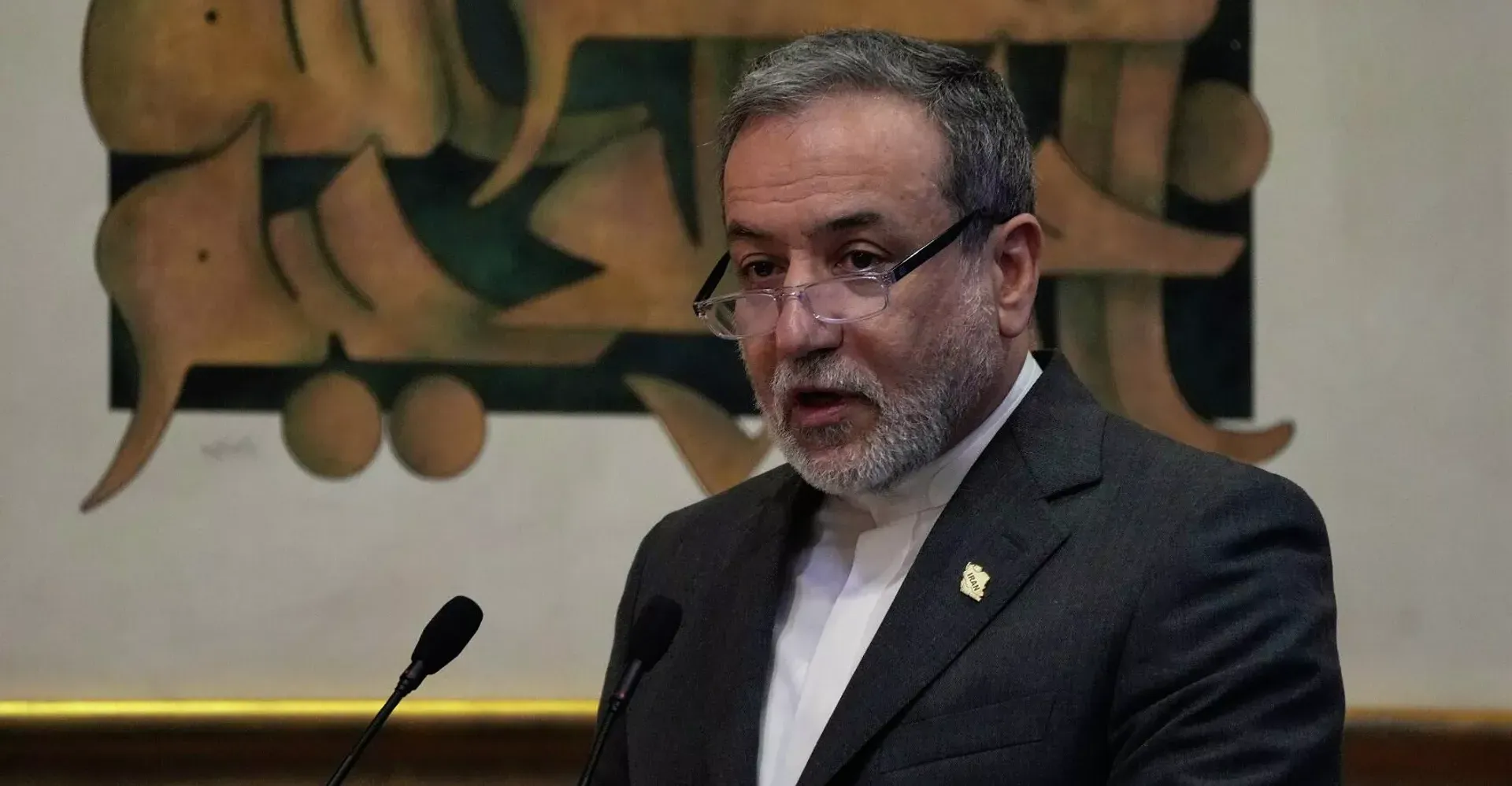
Iran’s foreign minister Abbas Araghchi said Tehran will keep diplomatic relations with Syria effectively frozen for the time being.
He said Iran is closely watching developments and will not rush into steps to normalize relations.
Reporters highlight Tehran’s cautious posture, noting officials feel no pressure to move quickly and want to assess political and on-the-ground changes before any restoration of ties.
Both reports describe this as a deliberate, measured approach rather than an outright break, underscoring that relations remain suspended while Tehran evaluates the altered Syrian landscape.
Coverage Differences
Tone/Emphasis
Shafaq News (West Asian) uses the phrase “closely watching developments … without rushing into a step toward normalizing relations,” framing Tehran’s stance as cautious and deliberate. شفق نيوز (West Asian) similarly reports Tehran is “closely watching” and “will not rush to restore diplomatic ties,” but places slightly more emphasis on Iran feeling "no pressure" to normalize. Both are reporting the same policy but with minor differences in emphasis and wording; neither provides viewpoints from Western or non‑West Asian outlets, so the available coverage is limited to regional West Asian framing.
Stalled Iran–Syria normalization
Both sources link Tehran's freeze to a changed Syrian reality after the fall of Bashar al‑Assad.
Damascus has deepened its ties with Russia and moved toward engagement with the United States, exemplified by transitional president Ahmad al-Sharaa's visits to Moscow and the White House.
Iran's reporting also stresses practical bilateral grievances, noting that Tehran has publicly demanded repayment of debts incurred by the former Assad regime, a claim the new Syrian authorities reject and which Tehran cites as another reason to delay normalization.
Coverage Differences
Narrative detail
Shafaq News (West Asian) explicitly links the freeze to a recognition of a “changed Syrian reality” and mentions debt claims by Iran that the new Syrian government rejects. شفق نيوز (West Asian) reiterates those points and adds clearer mention of al‑Sharaa’s visits to both Moscow and the White House to illustrate Syria’s pivot. Both report the same events, but shafaq’s English phrasing emphasizes Iran’s recognition of change while the Arabic piece foregrounds Syria’s diplomatic outreach.
Barriers to Syria-Iran ties
Reporting from both outlets identifies several political and social obstacles to normalization between Syria and Iran.
Supporters of the al‑Sharaa government are hostile toward Iran because Iran backed Assad.
Syria's warming relations with the United States, tied to progress on normalization with Israel, further complicate ties.
Broader regional tensions include U.S.–Iran relations, possible Israeli actions against Iran, and Hezbollah's role in Lebanon.
These sources present a picture in which domestic Syrian politics and wider regional dynamics combine to make immediate rapprochement between Tehran and Damascus unlikely.
Coverage Differences
Scope/Tone
Both Shafaq News (West Asian) and شفق نيوز (West Asian) enumerate similar obstacles (hostility from al‑Sharaa supporters, U.S. ties, regional tensions). The English piece explicitly frames Syria’s improving relationship with the United States as "tied to progress on normalization with Israel," while the Arabic piece emphasizes the regional dynamics including potential Israeli pressure on Iran and the situation in Lebanon/Hezbollah. Differences are mainly in emphasis rather than contradiction.
Tehran-Damascus relations
Both outlets report public insistence by Tehran and Damascus on mutual non-interference while also exchanging veiled demands; Iran reportedly urges Syria not to normalize with Israel, and Syria warns Iran against intervening.
The coverage frames the stalled relationship as one where public diplomacy and private red lines coexist, leaving the normalization question unresolved and fragile.
The pieces do not include external perspectives, so the narrative remains regionally centered.
Coverage Differences
Emphasis on mutual messaging
Shafaq News (West Asian) and شفق نيوز (West Asian) both report that "Both sides publicly insist they will not interfere in each other’s internal affairs, but also exchange veiled demands." The English piece lists Iran urging Syria not to normalize with Israel versus Syria telling Iran not to intervene; the Arabic report makes similar points. The main difference is negligible — both emphasize that public non‑interference coexists with private pressure — and both omit broader international commentary.
Normalization outlook and coverage
Both reports present normalization as unlikely in the near term.
They attribute this to Syria's diplomatic reorientation, unresolved debt disputes, domestic hostility toward Iran among al-Sharaa supporters, and regional security dynamics.
Available coverage in these excerpts is limited to West Asian reporting.
Because the provided material excludes Western mainstream and alternative perspectives, the full international reaction and possible mediation paths remain unclear.
Coverage Differences
Omission/Scope
Both Shafaq News (West Asian) and شفق نيوز (West Asian) emphasize obstacles and uncertainty. A notable omission across both is the lack of outside perspectives — neither excerpt includes Western mainstream or alternative views, commentary from Syrian or Iranian opposition groups, or third‑party mediation proposals. This omission narrows the narrative to a regional West Asian lens.