
Iran Reimposes Strait Of Hormuz Restrictions After U.S. Keeps Blockade, IRGC Gunboats Fire
Key Takeaways
- Iran reimposed Strait of Hormuz restrictions, claiming control under armed forces.
- IRGC gunboats fired on a tanker in Hormuz, with other vessels hit.
- U.S. blockade of Iranian ports remains, complicating Hormuz transit amid tensions.
Hormuz Reclosure
Iran reimposed restrictions on the Strait of Hormuz on Saturday after the United States said it would not end its blockade of Iran-linked shipping, reversing an earlier move to reopen the waterway.
Iran’s joint military command said, “control of the Strait of Hormuz has returned to its previous state ... under strict management and control of the armed forces,” and warned it would continue to block transit “as long as the U.S. blockade of Iranian ports remained in effect.”

The Times of Israel reported that Iran’s announcement came after Trump said the American blockade “will remain in full force” until Tehran reaches a deal with the U.S., including on its nuclear program.
The BBC described Iran’s position as a warning that the strait “will 'not remain open' if US blockade continues,” citing an Iranian official’s warning.
The UK Maritime Trade Operations (UKMTO) agency said it received a report of a tanker being fired upon by “two gunboats linked to Iran’s Revolutionary Guard Corps (IRGC),” 20 nautical miles northeast of Oman, while UKMTO said the vessel and crew were safe.
The BBC also tied the escalation to ship attacks, saying “Two gunboats from Iran’s Islamic Revolutionary Guard Corps opened fire at a tanker in the Strait of Hormuz.”
Blockades and Negotiations
The Strait of Hormuz dispute unfolded alongside a broader U.S.-Iran confrontation that began after the U.S. and Israel attacked Iran on Feb. 28, and it has been shaped by competing blockade moves.
DIE WELT’s live ticker said, “On February 28, the United States and Israel began attacking Iran,” and it described a ceasefire as “now in effect,” while also noting that on Friday Iran announced it would lift a weeks-long blockade but on Saturday the military aborted the plan.

CBC reported that the “duelling blockades in the Strait of Hormuz lurched into uncharted waters on Saturday” as the United States pressed ahead with its campaign to choke off Iranian ports and Iran reversed an initial move to reopen the waterway.
The Times of Israel said Iran had earlier announced the strait’s reopening after a 10-day truce between Israel and the Iranian-backed Hezbollah terror group in Lebanon, while Israel said the Iran truce did not cover Lebanon.
AP described Iran’s Friday announcement about reopening as coming “as a 10-day truce between Israel and the Iranian-backed Hezbollah militant group in Lebanon appeared to hold,” but it warned that questions lingered about how much freedom ships had to transit.
NBC News reported that “since the start of the naval blockade of Iranian ports Monday, 21 ships have been turned back to Iran,” and CBC likewise said “U.S. forces have sent 21 ships back to Iran since the blockade began on Monday,” while the BBC cited “23 ships since it began enforcing a naval blockade on 13 April.”
Trump vs Tehran
President Donald Trump framed Iran’s Strait of Hormuz actions as an attempt at coercion he would not tolerate, while Iranian officials described the U.S. blockade as a breach of ceasefire conditions.
DIE WELT’s ticker quoted Trump saying, “Iran cannot blackmail us with the Strait of Hormuz,” and it added that Trump told reporters in the White House, “they can’t blackmail us with that.”
KTOK likewise quoted Trump saying, “They can't blackmail us,” and it included his assertion that “We have very good conversations going on.”
CBS News reported that Trump told CBS News in a phone interview that negotiations were “very good” and that the U.S. would continue its military blockade of Iranian ports and vessels “until we get it done.”
On the Iranian side, CBC quoted Iran’s joint military command about returning control to “previous state” and said it would continue blocking transit while the U.S. blockade remained in effect.
The BBC described Iran’s Supreme National Security Council as “determined” to enforce control over the strait until the end of the war, and it said the SNSC came after the IRGC said the strait would return “to its previous state.”
Attacks and Shipping
Alongside the diplomatic and military messaging, multiple outlets described attacks and disruptions in the waterway that raised the risk for shipping.
The Times of Israel said the UKMTO agency reported a tanker being fired upon by “two gunboats linked to Iran’s Revolutionary Guard Corps (IRGC),” 20 nautical miles northeast of Oman, and it added that “the vessel and its crew were reported safe.”
BBC similarly described ship attacks, saying “Two gunboats from Iran’s Islamic Revolutionary Guard Corps opened fire at a tanker in the Strait of Hormuz,” and it added that a container ship was also hit by “an unknown projectile” 25 nautical miles off north-east Oman, damaging some containers.
DIE WELT’s live ticker also referenced shelling, stating that “Iran has shelled a tanker” in the Strait of Hormuz, and it said “Revolutionary Guards are said to have attacked at least three merchant ships.”
CBC said data firm Kpler reported movement “remained confined to corridors requiring Iran’s approval,” and it said Iran’s authorization and toll payment were part of the status quo described by Ebrahim Azizi.
The Times of Israel reported that Trump rejected the idea of tolls and restrictions, quoting him: “Nope. No way. No. Nope,” and it added that he said, “No, they’re not going to be tolls.”
What Comes Next
The sources portray the Strait of Hormuz dispute as a lever that could quickly worsen the energy and security situation, with multiple deadlines and competing conditions for any deal.
“Iran reopens Strait of Hormuz, but threatens to close it again as the US maintains its blockade Iran reopens Strait of Hormuz, but threatens to close it again as the US maintains its blockade BEIRUT (AP) — Iran said it fully reopened the Strait of Hormuz to commercial vessels, but questions lingered Saturday about how much freedom ships actually had to transit the waterway as Tehran maintained its grip on the who got through and threatened to close it again if the U”
CBC warned that the “back-and-forth over the strait” highlighted how easily it could unravel, and it said control of the chokepoint had been “one of Iran’s main points of leverage” that prompted the U.S. to deploy forces and initiate a blockade on Iranian ports.
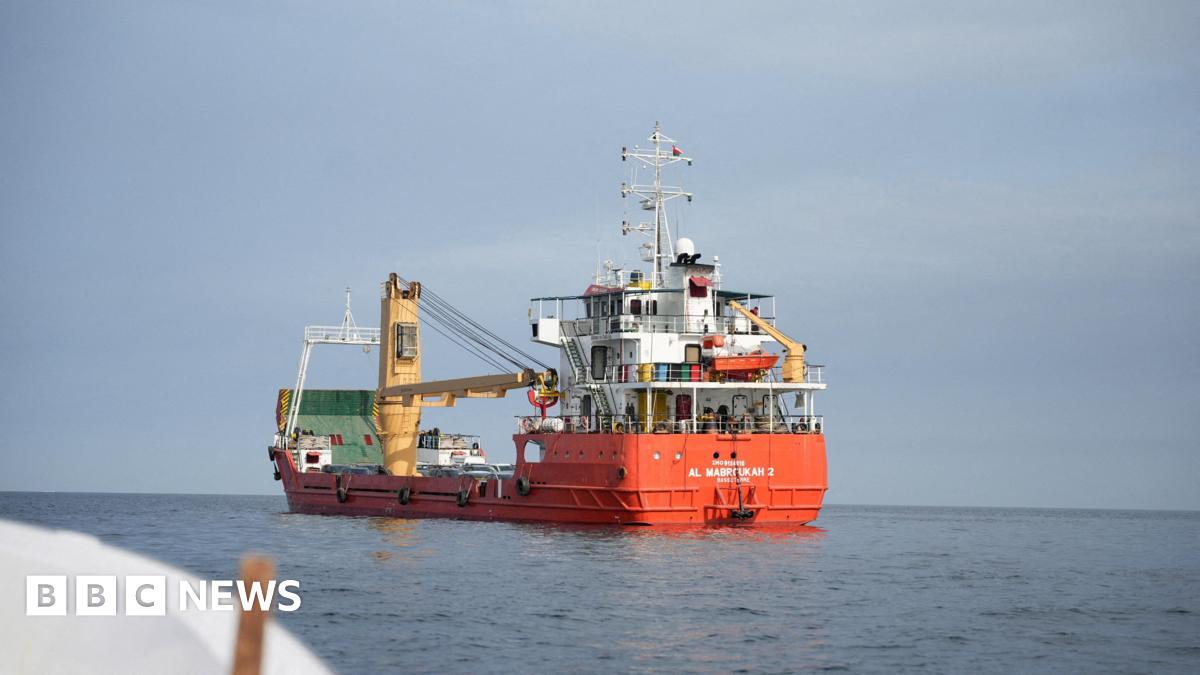
The Times of Israel said the ongoing conflict threatened to deepen the energy crisis and noted that “Roughly one-fifth of the world’s oil passes through the strait,” meaning further limits could squeeze supply and drive prices higher.
Al Jazeera reported that oil prices fell below $90 a barrel after Iran said the strait was “completely open,” and it cited Brent crude futures at $87.94 a barrel down 11.5 percent on the day, while U.S. crude fell to $83.33 a barrel.
NBC News described the stakes in terms of negotiations and the ceasefire timeline, saying Trump told reporters the ceasefire “expires Wednesday” and “may not be extended,” while also saying negotiations would continue through the weekend.
On the Iranian side, CBS News quoted Mohammad Bagher Zolghadr warning that “as long as the enemy seeks to disrupt maritime traffic and employ measures such as a naval blockade, the Islamic Republic of Iran will consider this a violation of the ceasefire,” and it said Iran would “prevent the conditional and limited opening of the Strait of Hormuz.”
More on Iran
Iran’s IRGC Closes Strait of Hormuz Again, Warns Ships as U.S. Blockade Continues
20 sources compared
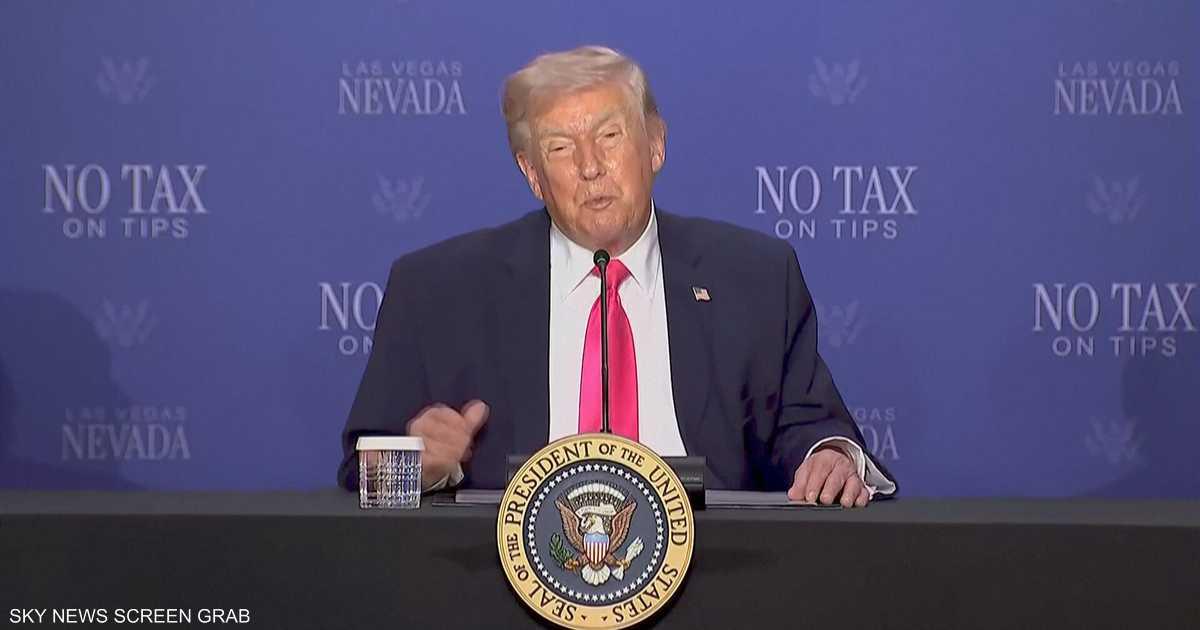
Trump Threatens To End Iran Ceasefire, Keep Blockade, Start Dropping Bombs Again
12 sources compared

Iran Partially Reopens Airspace, Six Airports Resume Operations for International Transit Flights
14 sources compared
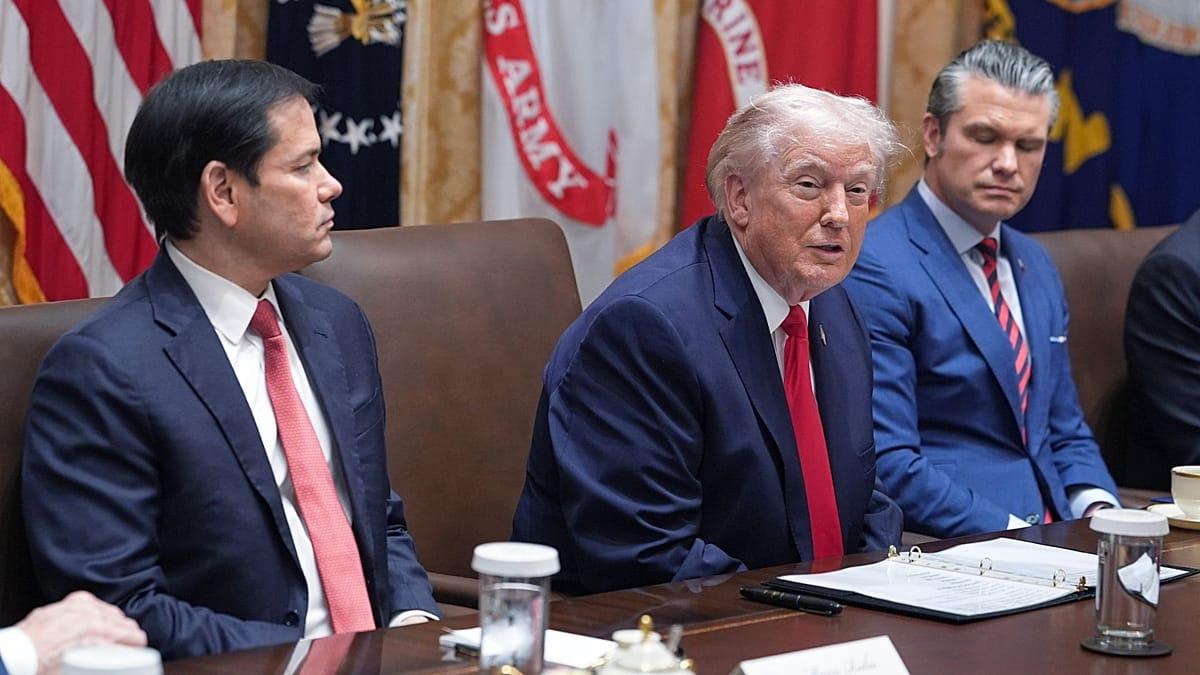
Iran Reimposes Strait of Hormuz Restrictions, Prioritizes Fee-Paying Vessels After IRGC Fire
82 sources compared