
US and Iran Agree to Two-Week Ceasefire Including Lebanon Amid Strait of Hormuz Tensions
Key Takeaways
- A two-week US-Iran ceasefire was announced, mediated by Pakistan.
- Lebanon's inclusion in the ceasefire remains contested across outlets.
- Ceasefire hinges on Iran reopening the Strait of Hormuz.
Ceasefire and Strait of Hormuz
The United States and Iran agreed to a two-week ceasefire on April 7, brokered by Pakistan, Saudi Arabia, Türkiye, and Egypt.
The ceasefire was announced less than two hours before President Trump’s deadline for Iran to reopen the Strait of Hormuz.

Trump warned on Truth Social that Iran is doing a very poor job, dishonorable some would say, of allowing Oil to go through the Strait of Hormuz.
The International Maritime Organisation Secretary General welcomed the ceasefire.
Iran demanded the right to collect tolls from ships transiting the strait, with Trump warning they better not be and, if they are, they better stop now!
Israel-Lebanon Talks and Continued Strikes
Netanyahu announced Israel would begin direct negotiations with Lebanon on disarming Hezbollah.
He insisted there is no ceasefire in Lebanon and they would continue to strike Hezbollah with force.

Lebanon's health ministry reported at least 303 people killed and more than 1,000 wounded in Israeli strikes.
The U.S. planned to host diplomatic talks between Israel and Lebanon at the State Department.
The Israeli military continued strikes against Hezbollah launch sites in Lebanon even after the ceasefire was announced.
Global Reactions and Regional Impact
Somalia welcomed the US-Iran ceasefire as a significant step toward easing tensions.
The Federal Government of Somalia praised the United States for its leadership in advancing restraint and dialogue.
Somalia emphasized the importance of implementing the ceasefire and maintaining structured dialogue.
The government reaffirmed its commitment to peaceful conflict resolution and respect for sovereignty.
Uncertainty and Skepticism
Uncertainty remained about the ceasefire's durability and implementation.
Only a few ships had made it through the Strait of Hormuz in the days following the announcement.

Iran’s demand to collect tolls on transiting vessels sparked immediate backlash.
Israel’s continued strikes in Lebanon underscored the fragility of the arrangement.
The divergent interpretations of the ceasefire’s geographic scope added to the complexity.
More on Iran
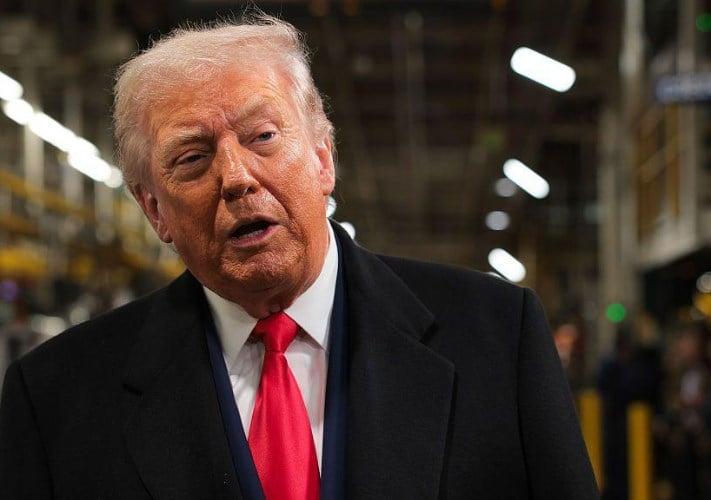
Trump Imposes 50% Tariffs on Countries Supplying Military Weapons to Iran
16 sources compared

Insiders Exploit US-Iran Ceasefire Announcement for Massive Polymarket Profits
13 sources compared

Israel Kills Over 300 in Lebanon Amid US-Iran Ceasefire Dispute
21 sources compared
.png&w=3840&q=75)
Iran Imposes $1 Per Barrel Bitcoin Toll on Oil Tankers in Strait of Hormuz
11 sources compared