
Iran Rejects US 15-Point Plan, Demands Sovereignty Over Hormuz And War Reparations
Key Takeaways
- The U.S. delivered a 15-point peace proposal to Iran via Pakistan.
- Iran formally responded, reviewing the proposal and proposing its own terms to end the war.
- Trump claimed Iran is 'begging' for a deal and signaled talks while delaying strikes.
Iran’s formal, terms-based reply
Iran’s formal response to the 15-point peace plan signals a hardening position and reframes the terms around which any settlement could be reached.
“Trump denies he's 'desperate' to make deal with Iran, insists Tehran is 'begging' for one Trump also revealed the "present" from Iran related to the Strait of Hormuz”
Al Jazeera notes Tehran’s reply asserts Iran’s natural and legal rights over the Strait of Hormuz while highlighting that Washington calls the move a sign of progress yet remains uncertain about a final accord.

AP News emphasizes Iran’s public denial of direct negotiations despite regional mediation efforts, underscoring a disconnect between American messaging and Tehran’s stated posture.
NPR summarizes Iran’s counterposition as a five-point or broader set of conditions, including reparations and Hormuz sovereignty, which must be met before any end to hostilities—an explicit departure from Washington’s framed terms.
Taken together, these threads show that Tehran is not conceding to a straightforward, US-centric peace plan, but is instead anchoring any ceasefire in a package of guarantees that would need to be negotiated via accepted mediators rather than through unilateral American dictates.
15-point plan specifics vs. Iran’s red lines
The 15-point plan is depicted as a demand for a sweeping rollback of Iran’s nuclear and missile capabilities in exchange for sanctions relief and security guarantees.
The plan’s most explicit description in major reporting centers on dismantling or constraining Iran’s nuclear program and missile arsenal, per The New York Times.

Iran’s counterposition, as reported by NPR, emphasizes reparations and sovereignty over Hormuz as preconditions for ending the war.
Pakistan’s mediation role is underscored by Euronews as the conduit for Washington’s demands to Tehran, highlighting the plan as mediated rather than unilateral.
Overall, the plan is being read in parallel as a stall-and-offer framework—clear on what Washington wants, ambiguous on what Tehran must accept in a binding, verifiable form.
Mediation, denial, and regional signaling
Pakistan is publicly acknowledged as a mediator, with indirect talks described by multiple outlets as the vehicle for any potential agreement.
“Tehran has formally responded to Washington’s 15-point plan to end the US-Israel war on Iran, asserting its “natural and legal right” over the Strait of Hormuz, as US President Donald Trump claimed it was “begging to make a deal””
Iran’s denials of direct talks contrast with Washington’s framing of ongoing negotiations through intermediaries, creating a mismatch in messaging about the process.
Regional media stress Hormuz sovereignty as a core Iranian position, which complicates any near-term ceasefire unless mediated guarantees are acceptable to Tehran.
The US is coordinating with allies and regional players, signaling that the outcome will depend on a combination of military deterrence and diplomatic concessions.
Outcomes, costs, and tipping points
The next phase hinges on whether Tehran’s conditions can be reconciled with Washington’s plan through Pakistan and other mediators.
Global oil markets respond to Hormuz’s status and the potential reopening of the strait, with prices and supplies sensitive to any shifts in diplomacy or conflict intensity.

Israel’s ongoing military pressure on Iran’s capabilities adds a layer of urgency to any potential ceasefire, as Tel Aviv seeks to preserve strategic advantages.
Analysts warn that without credible guarantees—reparations, Hormuz sovereignty, and assurances against a return to hostilities—any agreement risks collapse, prolonging the regional crisis.
More on Iran

Iran Effectively Closes Strait Of Hormuz, Choking Global Fertilizer And Energy Shipments
13 sources compared
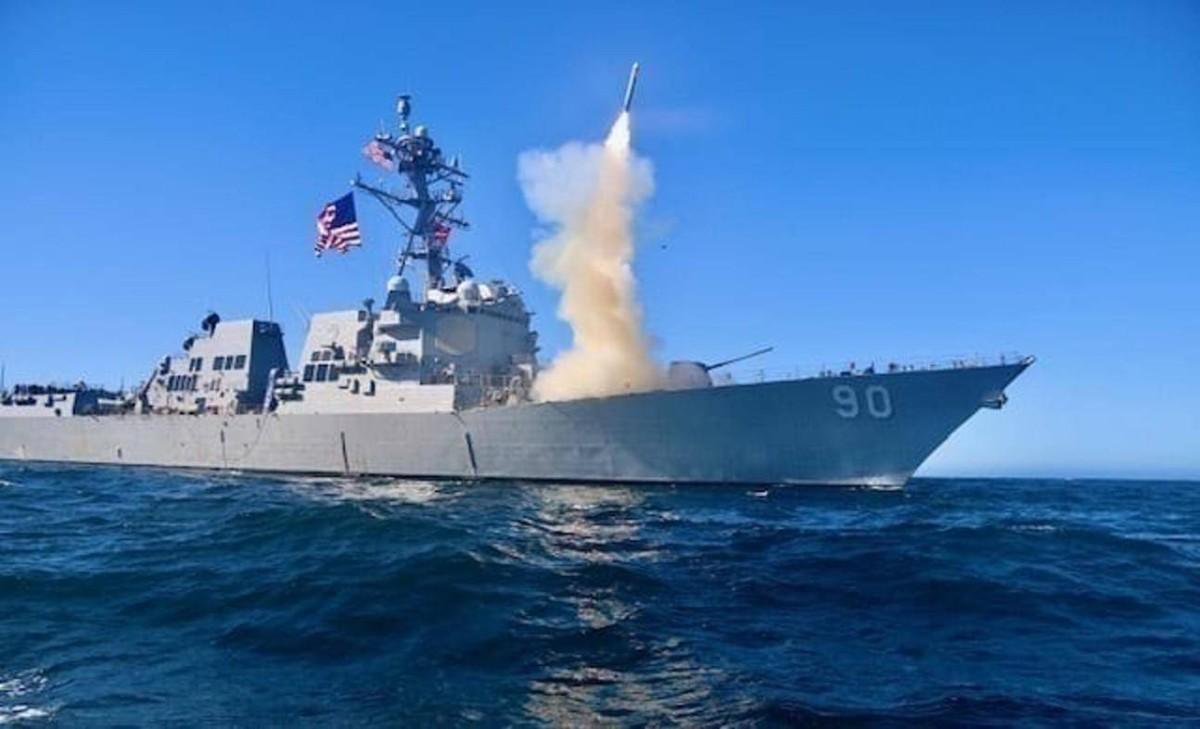
Pentagon Plans to Replenish, Divert Tomahawk Missiles From Indo-Pacific
12 sources compared

IRGC Establishes Code-Controlled Larak Corridor Through Strait Of Hormuz, Requires Crossing Codes And Tolls
24 sources compared

Pentagon Weighs Sending Up to 10,000 Troops Within Strike Range of Kharg Island
13 sources compared