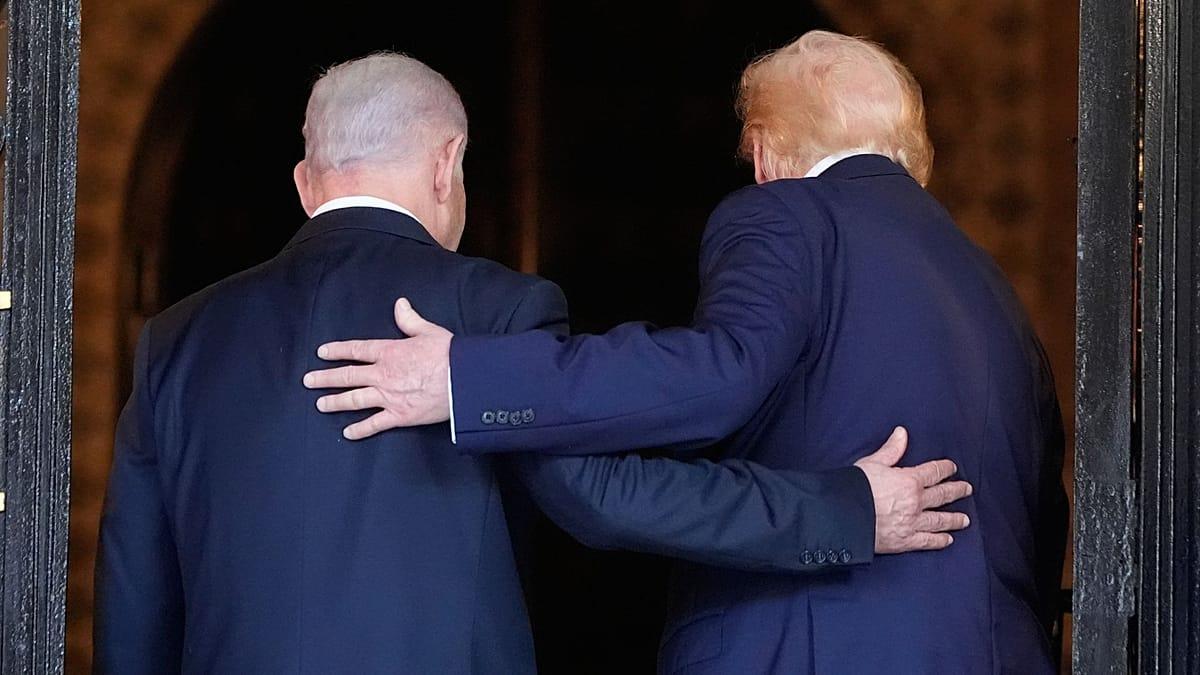
Iran Rejects US Temporary Ceasefire, Demands Strait of Hormuz Fees and Compensation
Key Takeaways
- Iran rejects temporary ceasefire; demands compensation and Strait of Hormuz fees as preconditions.
- Iran insists on preconditions for talks, seeking a satisfactory deal incorporating compensation.
- Hormuz toll plan would bar hostile ships until compensation is paid.
Proposal, deadlines, and demands
Iran delivered a response to the United States’ nine-point proposal, focusing on “end to the war,” according to the semi-official news agency Tasnim as reported by The Shillong Times on Sunday.
“The former Iranian ambassador to Lebanon, Mojtaba Amani, said that his country will not be dragged into negotiations on preconditions, stressing that any future settlement must be a 'satisfactory deal' for Iran that takes into account on-the-ground developments and compensation for war losses”
The Shillong Times said the US nine-point proposal sought a two-month ceasefire, while Iran wanted the issues resolved in 30 days and insisted the focus should be “ending the war” rather than extending the ceasefire.

The same report said Iran’s proposal to the US has 14 points, including lifting the naval blockade, release of Iran’s frozen assets, payment of compensation, removal of sanctions, and ending the war on all fronts, including Lebanon.
It also said the proposal included “a new mechanism for the Strait of Hormuz,” along with “guarantees of non-aggression” and “the withdrawal of US military forces from the areas surrounding Iran.”
The Shillong Times further reported that Iran was “currently awaiting an official US response to the proposals.”
In parallel, The East (الشرق) reported that an Iranian senior official told Reuters that Iran “rejects any temporary ceasefire with America,” and that Tehran set “preconditions for talks with America on a lasting peace.”
The East added that, within a lasting peace framework, Iran demanded “imposing fees on ships passing through the Strait of Hormuz,” with fees varying by ship type, cargo, and prevailing conditions, and also demanded “an immediate stop to the US-Israeli strikes” plus “guarantees that these attacks will not be repeated in the future,” alongside “compensation for the damages.”
Hormuz regime and maritime pressure
As talks and counterproposals unfolded, the Strait of Hormuz became the central operational and political battleground described across multiple reports.
The Shillong Times said Iran’s 14-point proposal included “a new mechanism for the Strait of Hormuz,” plus “guarantees of non-aggression” and “the withdrawal of US military forces from the areas surrounding Iran,” and it added that on Saturday Deputy Speaker of the Iranian Parliament Ali Nikzad announced a “new bill with 12 point plan” to change the management of the strait.
In that bill, The Shillong Times reported Nikzad said “the ships of the ‘Zionist’ regime will never be allowed through the Strait of Hormuz,” and that “warring countries have to pay the damages of war in order to receive a permit to pass,” with ships needing “a licence and permission from Iran to pass through the Strait of Hormuz.”
The Iran International (ایران اینترنشنال) report said Nikzad told members of parliament’s Construction Commission during a visit to Bandar Abbas that the 12-point plan would deny passage to Israeli ships “at any time,” and also bar vessels of “hostile countries” unless they first paid compensation for damage caused during the war.
It further stated that under the toll plan, other ships would need permission from Iran, and that Mohammadreza Rezaei said ships applying for permission would be required to use the name “Persian Gulf,” with “30% of the revenue” allocated to strengthening military infrastructure and “70%” to economic development and public welfare.
On the US side, Radio Free Europe/Radio Liberty reported that President Donald Trump said US forces would on May 4 begin guiding stranded “neutral” ships out of restricted waters near the Strait of Hormuz, calling it a “humanitarian” gesture.
Radio Free Europe/Radio Liberty also quoted Trump warning that “If, in any way, this Humanitarian process is interfered with, that interference will, unfortunately, have to be dealt with forcefully,” and it said an Iranian official warned that “Any American interference in the new maritime regime of the Strait of Hormuz will be considered a violation of the cease-fire,” posted by Ebrahim Azizi on X.
The same Radio Free Europe/Radio Liberty report said the US Central Command (CENTCOM) stated the mission “will include guided-missile destroyers, over 100 land and sea-based aircraft, multi-domain unmanned platforms, and 15,000 service members,” while also describing that Iran had prevented most traffic through the strait in retaliation for US-Israeli air strikes that started on February 28.
US claims and Iranian counterclaims
US officials framed the pressure campaign in stark terms, while Iranian officials tied any maritime or diplomatic steps to compensation, guarantees, and the lifting of strikes.
“Trump Says US To 'Guide' Stranded Neutral Ships Out Of Hormuz Starting May 4 President Donald Trump said US forces will on May 4 begin guiding stranded “neutral” ships out of restricted waters near the Strait of Hormuz, even as he asserted that Washington was having “positive discussions” with Iran about ending war in the Middle East”
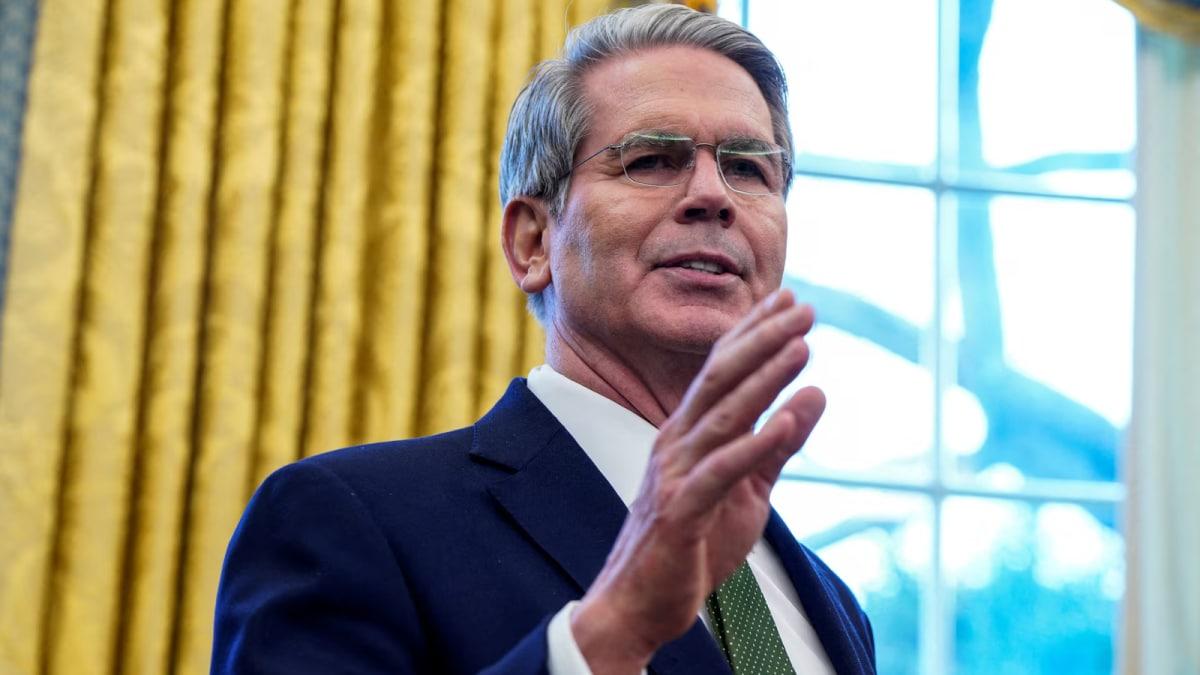
News18 reported US Treasury Secretary Scott Bessent told Fox News that the United States was “suffocating" the Iranian regime through President Donald Trump’s “economic fury,” backed by a naval blockade of Iranian ports.
News18 quoted Bessent saying, “We are suffocating the regime, and they are not able to pay their soldiers. This is a real economic blockade, and it is in all parts of government, all hands on deck. No ships are getting through, and we have upped the pressure on anyone trying to remit money into Iran to help the IRGC,” and it added that he said the US would “continue to track” offshore money and “preserve those assets for the Iranian people on the other side of this conflict.”
News18 also quoted Bessent describing Iran’s Revolutionary Guards as a “corrupt" institution and accusing them of stealing money from the Iranian people for years, while he said Iran “miscalculated" when it started bombing its Gulf neighbours in response to the US-Israeli strikes on February 28.
In response, Radio Free Europe/Radio Liberty said an Iranian official warned Tehran would consider any attempt by the US to operate in the strait a breach of the cease-fire, quoting Ebrahim Azizi: “Any American interference in the new maritime regime of the Strait of Hormuz will be considered a violation of the cease-fire.”
The East (الشرق) reported an Iranian senior official told Reuters that Iran demanded “an immediate stop to the US-Israeli strikes” and “guarantees that these attacks will not be repeated in the future,” while also demanding “compensation for the damages” Iran has suffered during the war.
The East also said Iran presented a 10-point proposal conveyed through Pakistan, and that Trump, when asked on Monday about the Iranian proposal, said: 'It is an important proposal. It is an important step,' while adding: 'But it is not enough, though it is a big step.'
Why talks stalled in Islamabad
Multiple reports described the breakdown of US-Iran talks in Islamabad and the specific issues that blocked a deal, while also emphasizing the role of mediation and the possibility of renewed war.
The Today Saba (اليوم السابع) report said negotiations between the United States and Iran ended after “21 marathon hours” in the Pakistani capital Islamabad on Saturday without announcing a deal, raising questions about whether the war would resume soon.
It said The New York Times quoted Iranian officials as saying three main points of disagreement caused the collapse: reopening the Strait of Hormuz, the fate of about “900 pounds of highly enriched uranium,” and Iran’s demand for the release of about “$27 billion of frozen oil revenues abroad.”
The Today Saba report added that the United States pressed Iran to reopen the strait immediately to all maritime traffic, while Iran refused to relinquish its influence over tanker traffic and insisted it would do so only after a final peace agreement.
It also said Iran demanded compensation for damages from “six weeks of air strikes” and demanded release of frozen oil revenues in Iraq, Luxembourg, Bahrain, Japan, Qatar, Turkey, and Germany for reconstruction purposes, while “America refuses to pay compensation to Iran.”
Another report, Al-Najah News (النجاح الإخباري), said Pakistan’s foreign minister Ishaq Dar urged Washington and Tehran to continue upholding the ceasefire despite the failure of talks to reach a deal, and it said the Iranian Tasnim Agency attributed the failure to “excessive American demands.”
The same Al-Najah News report said U.S. Vice President J. D. Vance returned to Washington without reaching an agreement with Iran on the nuclear issue, and it said the Iranian-American talks held in Islamabad ended at dawn on Sunday.
The Akaz (عكاظ) report said The New York Times revealed Iran sent a delegation of “71 officials” to the Islamabad negotiations led by Parliament Speaker Mohammad Baqer Qalibaf and Foreign Minister Abbas Araqchi, and it said Iranian sources described the delegation as having authority to conclude an agreement or withdraw without referring back to Tehran.
It also quoted Fars as saying Qalibaf told the negotiations: “good intentions, but we do not trust the other party.”
Next steps and escalation risks
After the Islamabad talks ended without a deal, the reporting emphasized both continued diplomatic maneuvering and the risk of renewed military action tied to deadlines and conditions.
“If the Al Jazeera report on the details of the latest Iranian proposal is true, it points to further concessions by Iran and shows that the economic pressure is definitely working”
Radio Free Europe/Radio Liberty said peace talks between the United States and Iran—mediated by Pakistan—had faltered since a first round of discussions in Islamabad on April 11-12, and it reported that on May 3 Iranian officials said they were studying Trump’s response to Tehran's latest 14-point peace proposal handed to the US through Pakistan.
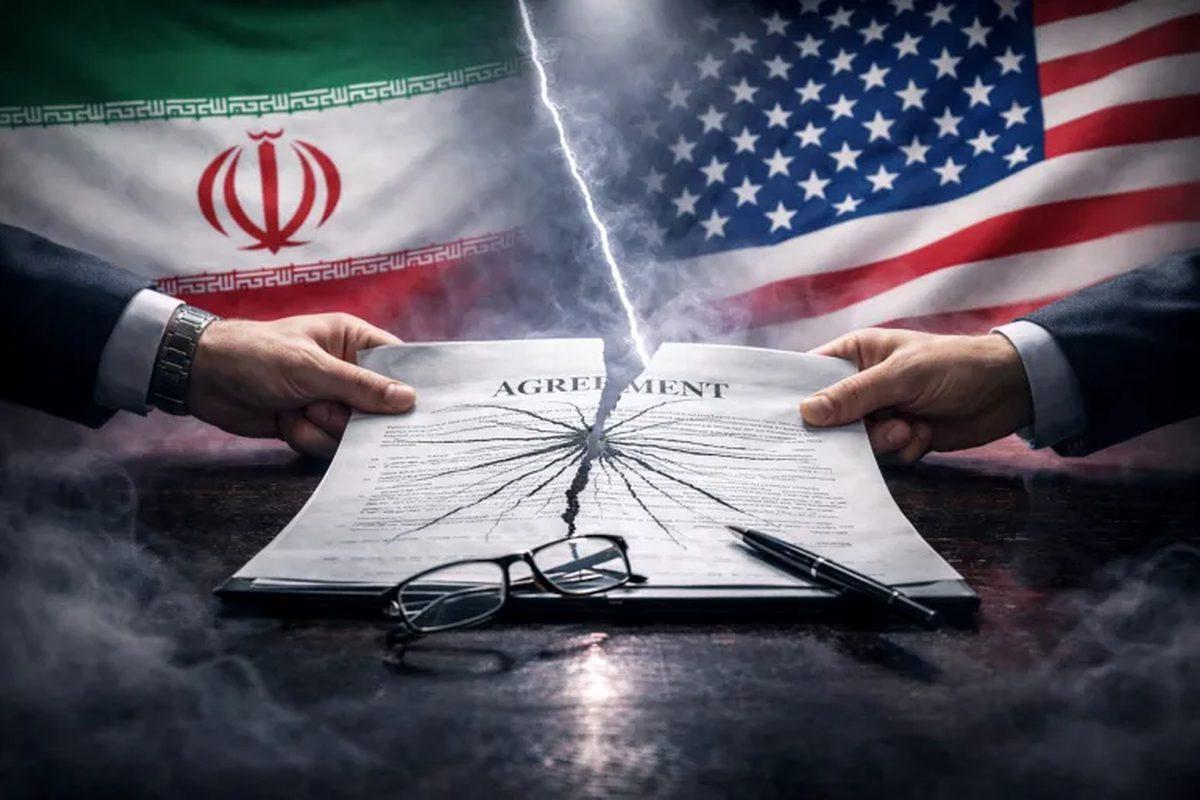
It also reported that Trump on May 2 said he was preparing to review Tehran’s proposal but said he could not imagine it would be acceptable, and it quoted Trump saying he would probably reject it because “they have not paid a big enough price.”
The same Radio Free Europe/Radio Liberty report said Iranian Foreign Ministry spokesperson Esmaeil Baghaei was quoted as saying there were no talks over Iran's nuclear capabilities at this stage, and it described the issue as central because it remained the main US demand after the joint military effort with Israel against Iran.
The East (الشرق) report added that, in recent weeks, Trump threatened to strike vital civilian infrastructure in Iran, such as bridges and power plants, if Iran did not open the Strait of Hormuz by Tuesday evening, and it said a White House press conference on Monday included Trump reiterating that if conditions were not met by “8:00 p.m. Eastern Time on Tuesday,” he would order “devastating new airstrikes on Iran to cripple its capabilities,” adding: 'It will take them 100 years to rebuild.'
In parallel, The Shillong Times reported that Iran’s proposal included “ending the war on all fronts, including Lebanon,” and that Iran was awaiting an official US response, while News18 described US Treasury Secretary Scott Bessent saying the US blockade would continue and that “No ships are getting through.”
The Iran International report said the strait remained closed, choking off “20% of the world's oil and gas supplies,” and it said the strait was effectively closed after Iran started launching retaliatory strikes against Arab neighbors in the Persian Gulf and that “Since April 13, the United States has also imposed a naval blockade on Iranian ports.”
Finally, the Today Saba report said the New York Times argued that Trump faced “three hard options”: prolonged negotiations over the future of Iran’s nuclear program, resuming the war, or a prolonged conflict over control of the Strait of Hormuz, and it said the Times noted the negotiations’ occurrence itself was “an indicator of progress.”
More on Iran

Trump Announces Project Freedom To Guide Stranded Ships Out Of Strait Of Hormuz Monday
19 sources compared
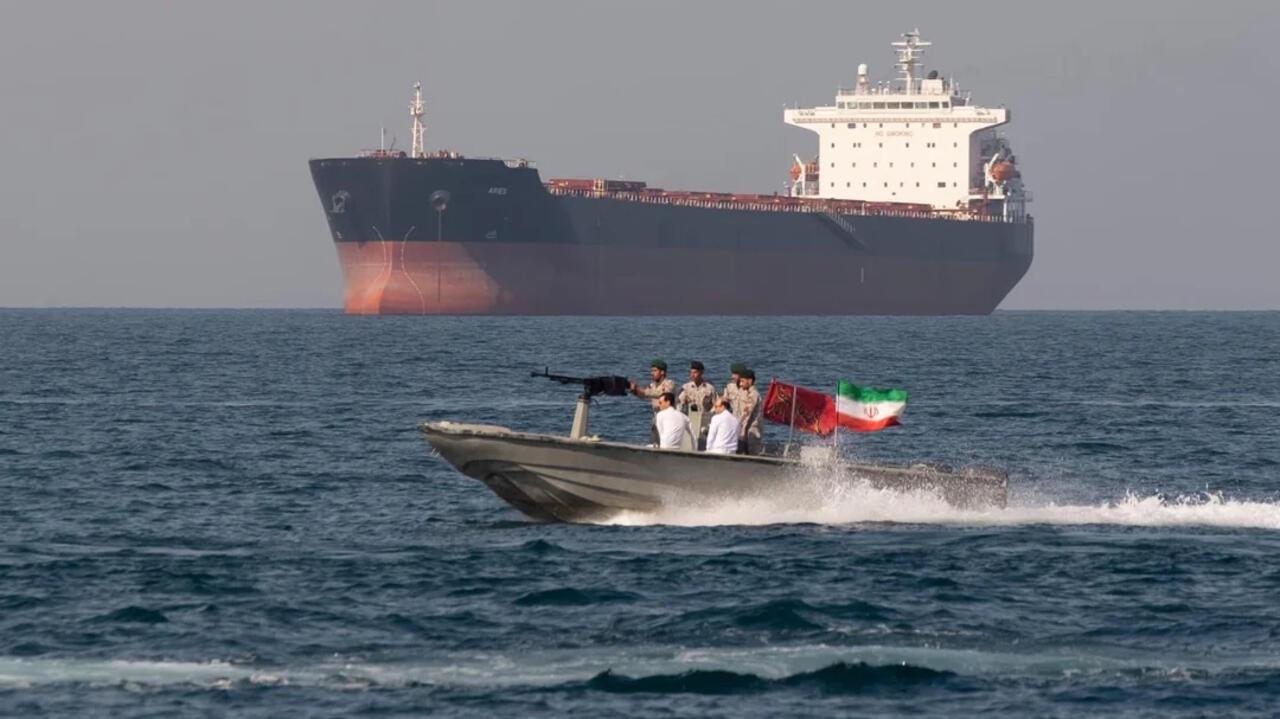
Iran Claims It Struck U.S. Navy Vessel Near Strait of Hormuz, CENTCOM Denies
19 sources compared
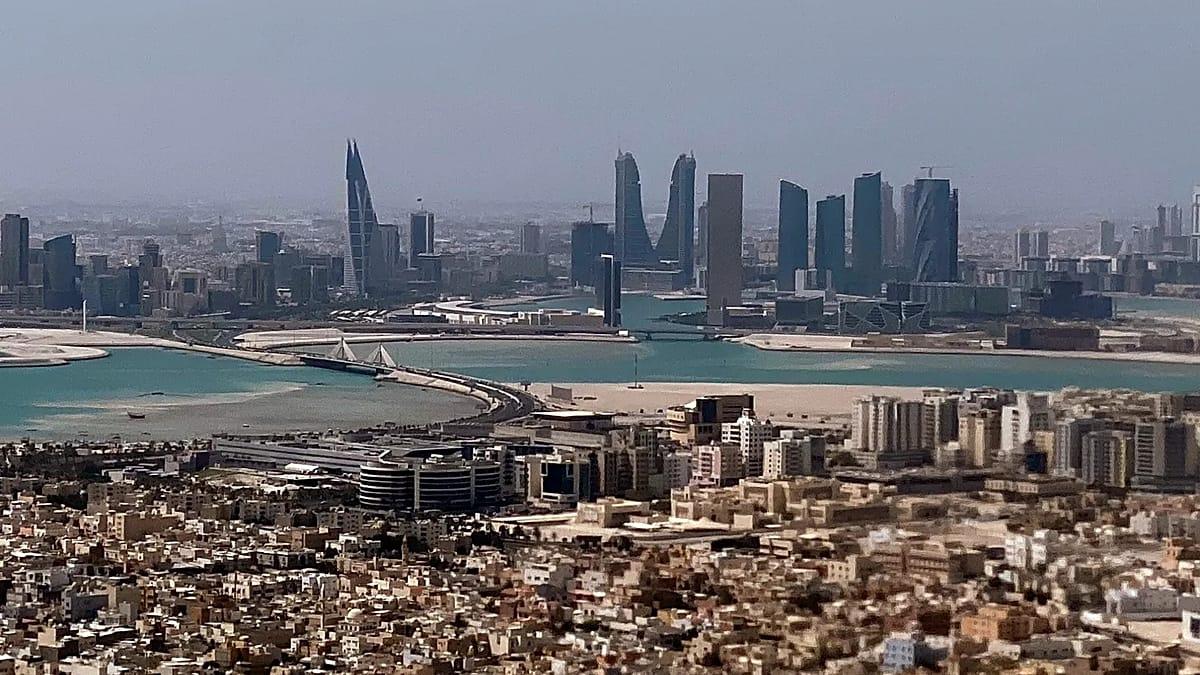
Iran Destroys 74 Missiles And 117 Drones In Bahrain, Bahrain Defence Forces Say
10 sources compared
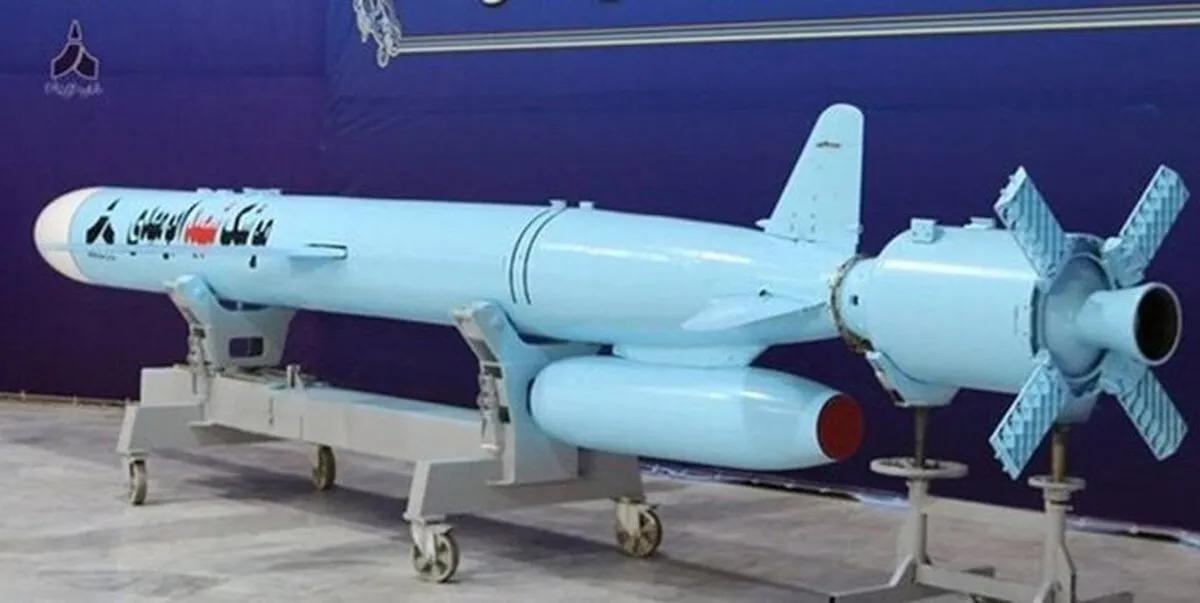
Iranian Media Claims Two Missiles Hit US Frigate Near Strait of Hormuz, Washington Denies
29 sources compared