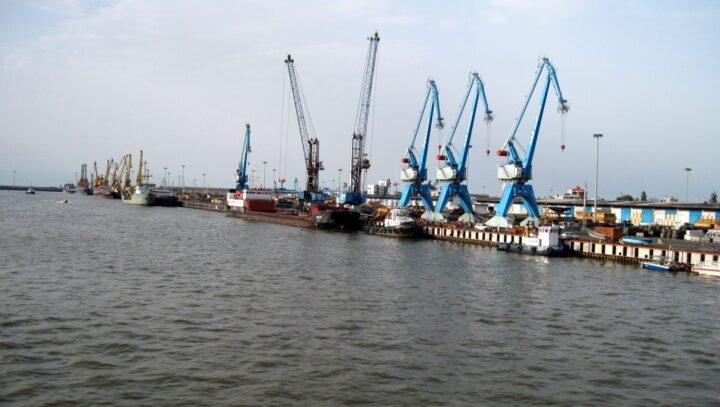
Iran Reroutes Trade Through Caspian Sea as War Threatens Gulf Shipping Routes
Key Takeaways
- Iran reroutes trade to the Caspian Sea as Gulf routes face threats.
- Russia aids Iran via Caspian Sea, transporting drone components to bypass blockade.
- Caspian route strengthens Iran's supply lines amid Western pressure and naval constraints.
Caspian route under strain
Gulf seafarers have been left “traumatised” as war “threatens shipping routes” while Iran reroutes trade through the Caspian Sea, with maritime charities warning that crews have spent “more than two months trapped in dangerous waters” under the threat of missiles, drones, and armed attacks.
“Saturday, 09/05/2026 ArEnFrEs [](http://almanar”
Gavin Lim of the UK-based Sailors' Society said of conversations with crew members aboard a vessel that was hit during the conflict, “We hear stories of how frightened they are. It’s pretty scary,” adding that the crews thought, “We were going to die.”
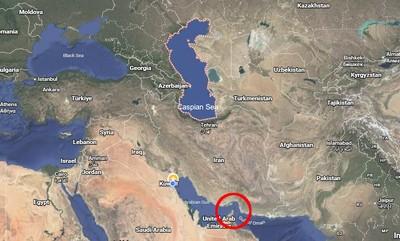
The International Maritime Organization said “at least 11 seafarers have been killed since the conflict intensified,” while the British maritime security monitor United Kingdom Maritime Trade Operations reported dozens of incidents in Gulf waters involving projectiles and fire by Iran’s Islamic Revolutionary Guard Corps.
A New York Times report cited in the coverage said Russia has been transporting commercial goods and drone components to Iran through the landlocked Caspian Sea as Tehran seeks alternatives to the strategically sensitive Strait of Hormuz amid a US naval blockade.
The same reporting said Iranian officials are increasingly rerouting essential imports such as wheat, corn and cooking oil through Caspian ports, where the United States cannot access the waterway because only the five bordering nations have direct access.
Russia resupplies Iran
US officials cited by the New York Times, as relayed by Al Arabiya, said Russia has begun sending shipments to Iran through the Caspian Sea after the Hormuz Strait was closed and the blockade against Tehran intensified.
Al Arabiya reported that the Russian shipments included “strategic goods” and drone components, with an American official saying that shipments via the Caspian Sea “help Iran restore its military arsenal.”
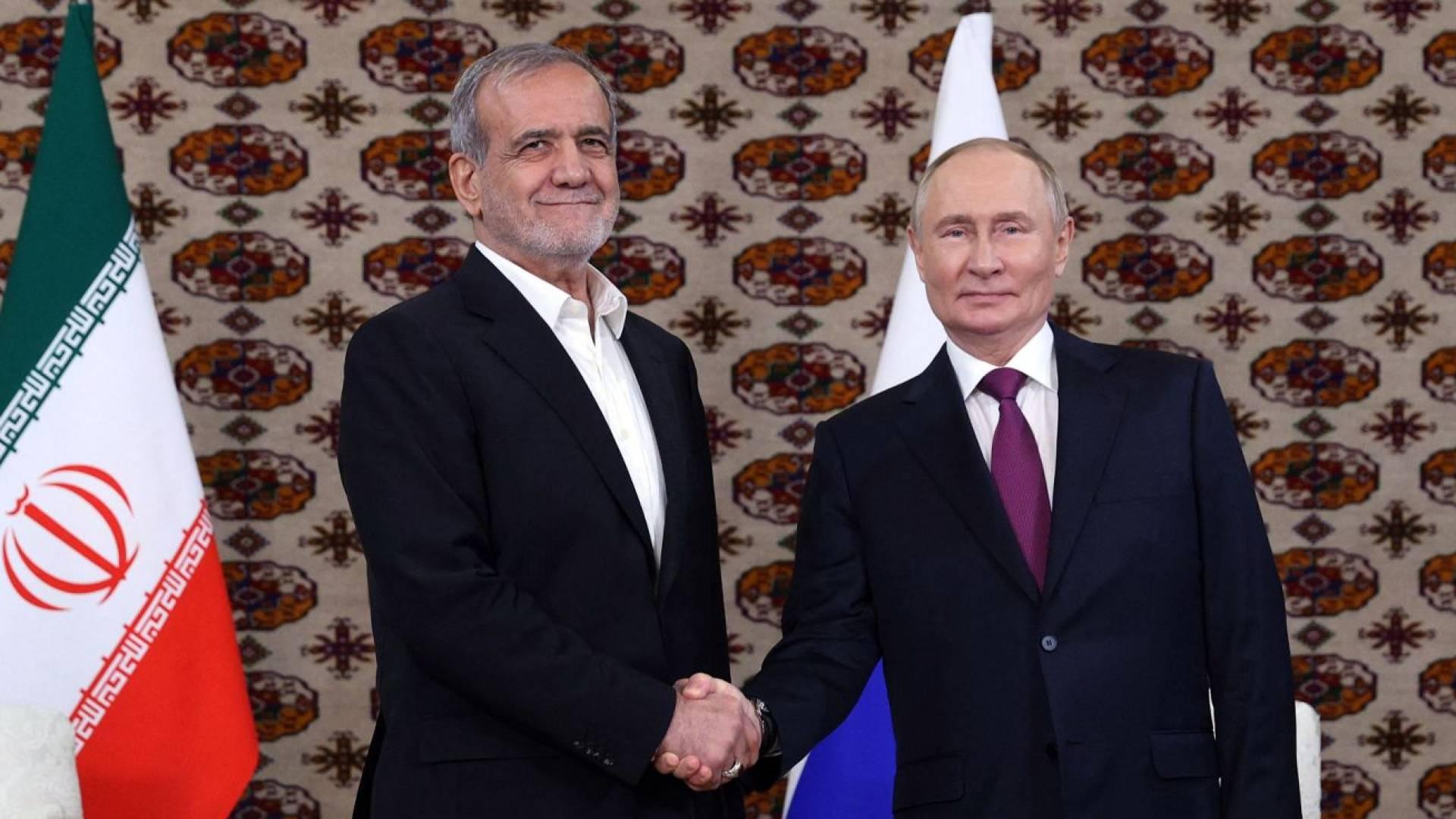
Roya News framed the same development as Russia bypassing the naval blockade and resupplying Iran via the Caspian Sea, saying the route is used to transport drone components that allow Tehran to bypass the blockade in the Arabian Sea.
Roya News also said Russian trade data analyzed by the New York Times showed a “noticeable increase” in shipping volume toward Iran over recent months, with satellite imagery and port records showing cargo vessels moving between Russian ports like Astrakhan and Iranian hubs such as Anzali and Amirabad.
The coverage also tied the shift to the Caspian Sea’s inaccessibility to US forces, describing it as a secure alternative for trade, sanctions evasion and military transfers because only the five bordering states have access.
Israel strikes Caspian hub
Middle East News said Israel carried out a naval strike last Wednesday targeting Bandar Anzali Port on the Iranian coast of the Caspian Sea, describing it as an unprecedented attack on a main supply route for Russia to Iran.
“Note: AI technology was used to generate this article’s audio”
The report said the Israeli military announced the strike hit dozens of targets, including warships, port facilities, a command center, and a shipyard used for repairing and maintaining naval vessels, while images verified by The Wall Street Journal and Storyful showed damage to the Iranian Navy headquarters inside the port.
It added that the Russian Foreign Ministry condemned the Israeli strike, describing Bandar Anzali Port as a “key commercial and logistical hub” whose facilities are actively used in trade of civilian goods with Iran.
Eric Rodenchild, former director for Central Asia affairs at the U.S. National Security Council and a fellow at the Caspian Policy Center, was quoted saying that “disruptions to drone supplies, and perhaps grain shipments, could have a short-term but highly sensitive impact on the Iranian situation at this stage.”
The same reporting said the Caspian Sea links Russian and Iranian ports over a distance of about 600 miles and that the route has gained importance for moving Iranian Shahed drones, with the attack described as a potential threat to Iran’s food supplies because it intersects arms smuggling with essential goods such as wheat and oil.
More on Iran

US Intelligence Says Mojtaba Khamenei Shapes Iran’s War Strategy and Negotiations With Washington
16 sources compared
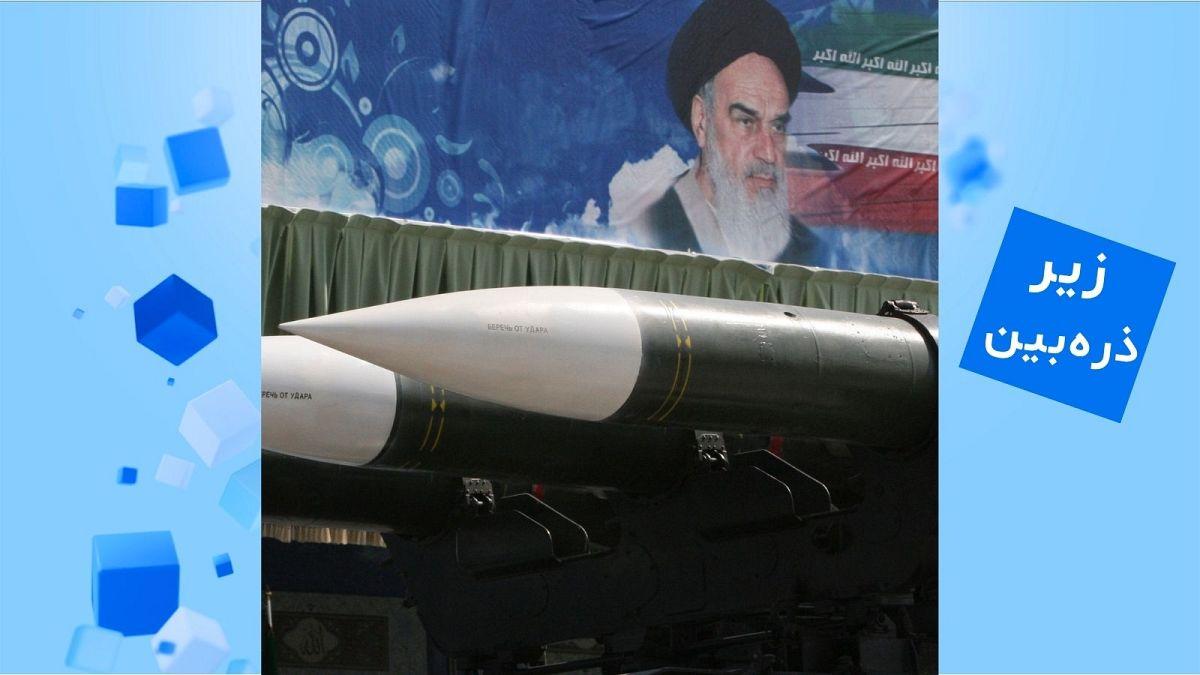
Joe Kent Says U.S. Intelligence Agreed Iran Was Not Developing Nuclear Weapons
12 sources compared
Marco Rubio Imposes Sanctions on Chinese Entities Accused of Supplying Iran Satellite Imagery
14 sources compared

Reuters And Associated Press Say Suspected Oil Spill Expands Near Iran’s Kharg Island
14 sources compared