Iran Resists US-Israel War as Analysts Warn of Prolonged, Grinding Conflict
Key Takeaways
- The conflict involves the United States, Israel, and Iran.
- Analysts warn the war could expand beyond its initial phase.
- There is discussion of possible U.S. ground involvement in the conflict.
Strategic Asymmetry
The United States, Israel, and Iran are engaged in a fundamentally asymmetric conflict where each side operates under vastly different strategic logics.
“Iran’s leadership is under pressure but the system is built to endure, says Middle East expert Professor Mehran Kamrava, warning the conflict could become a long and grinding war”
Analysts warn the confrontation risks becoming a prolonged and grinding war with unpredictable outcomes.
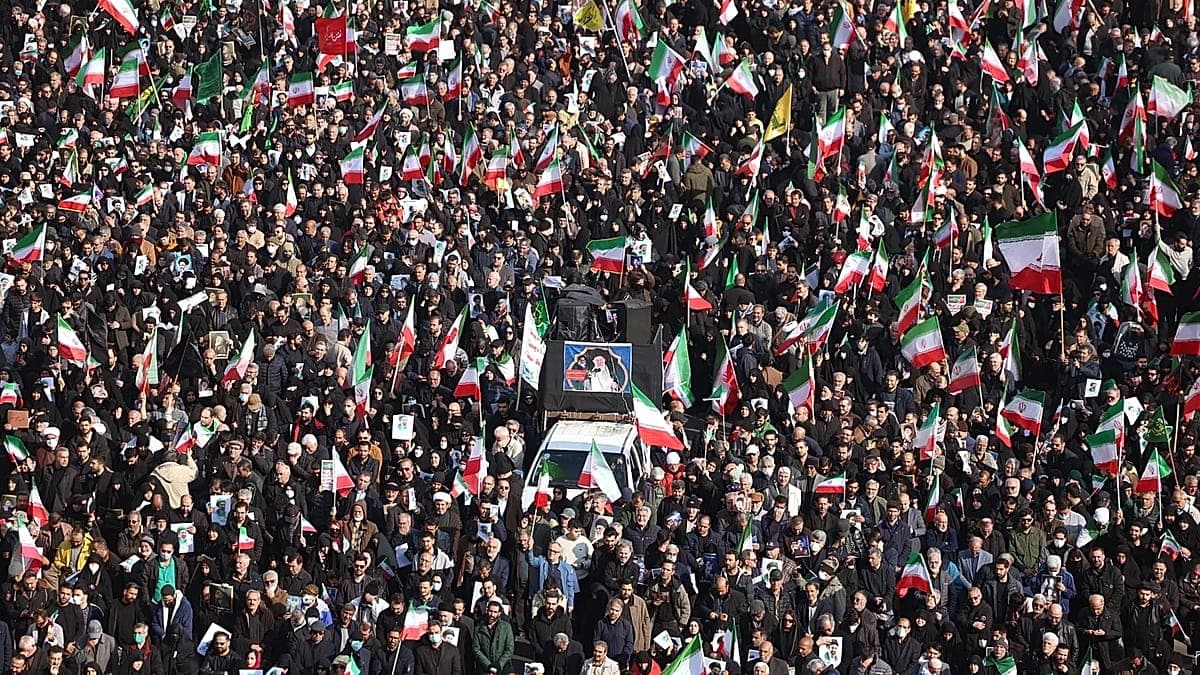
While Washington and Jerusalem seek quick, decisive military victories with visible damage as their measure of success, Tehran views the conflict through the lens of endurance and survival.
As Professor Mehran Kamrava of Georgetown University in Qatar explains, 'For Iran, simply resisting and surviving is victory,' creating a strategic disconnect.
This divergence in objectives threatens to extend the conflict far beyond initial expectations.
The asymmetry raises critical questions about whether US or Israeli leaders can truly shape the conflict on their own terms.
The region may have already entered a more dangerous and open-ended phase where multiple actors retain significant agency.
Origins of Conflict
The path to war was paved by a combination of political ambition and strategic miscalculation on both sides.
Israeli Prime Minister Benjamin Netanyahu viewed the conflict as an extension of previous hostilities.
Netanyahu sought to dismantle both the political and military systems of adversaries.
As Kamrava explains, 'As far as Benjamin Netanyahu is concerned, the previous war never really ended.'
Netanyahu was 'eager to ensure that the system, both politically and militarily, is dismantled.'
Simultaneously, Iran misread the political landscape in Washington.
Iran failed to account for the volatility and unpredictability of President Donald Trump's decision-making process.
This dangerous combination created the conditions for open conflict.
Each side operated from fundamentally different assessments of the strategic environment.
Iran's Enduring System
Despite reports suggesting leadership vulnerabilities, Iran's system demonstrates remarkable resilience.
“Iran’s leadership is under pressure but the system is built to endure, says Middle East expert Professor Mehran Kamrava, warning the conflict could become a long and grinding war”
The system is designed to absorb significant shocks and maintain functionality.
The conflict raised questions after reports that senior security figure Ali Larijani has been killed.
According to Kamrava, 'The system is designed to continue to function even without the top leadership being there.'
Decisions can be made somewhat autonomously within the Iranian system.
Leadership losses are described as setbacks rather than turning points.
Military decisions are driven by powerful institutions like the Revolutionary Guards.
These institutions are deliberately structured to operate independently.
This resilience contrasts with uncertainties around the succession after Khamenei's death.
Mojtaba Khamenei's rise represents more of a hardening than a fundamental break from previous governance.
Prolonged Conflict Outlook
Military analysts predict the conflict lacks a clear endpoint and could stretch for weeks or months.
The prediction stems from fundamental differences in how each side conceptualizes victory and defeat.
Experts reject the notion that President Trump can simply decide when the war ends.
Iran retains multiple avenues to maintain pressure despite Washington declarations of success.
As one analyst observes, 'There is always a tomorrow and today is never decisive.'
Military campaigns rarely produce clean political endings in this type of conflict.
While acknowledging material limits, the timeframe for conflict resolution remains uncertain.
The US cannot sustain high-intensity operations indefinitely as munitions are consumed faster than replaced.
This creates a likely window of several weeks after which political patience may erode.
Iran's strategy of endurance suggests it may outlast Western resolve in prolonged attrition.
Regional and Global Impact
The conflict's broader implications extend beyond immediate military considerations.
“Iran’s leadership is under pressure but the system is built to endure, says Middle East expert Professor Mehran Kamrava, warning the conflict could become a long and grinding war”
The war risks deepening structural problems across the region and global economy.
Rather than solving underlying tensions, the hostilities may exacerbate existing divides.
The confrontation could create new fault lines in Middle Eastern geopolitics.
Analysts suggest the conflict might strengthen Iran's regional position.
Iran demonstrates its capacity to withstand military pressure.
Simultaneously, the conflict strains US-Israeli alliances and exposes Western military vulnerabilities.
Global economic impacts include energy market disruptions and supply chain interruptions.
Increased defense spending diverts resources from other priorities.
Within Iran, the regime remains wounded but not transformed.
The Islamic Revolutionary Guard Corps continues as the true center of power.
Popular discontent persists but doesn't threaten the regime's survival.
Any resolution will require addressing root causes rather than managing symptoms.
This prospect grows more distant with each passing day of hostilities.
More on Iran

Israel strikes Iran's Pars gas field as Tehran vows revenge
14 sources compared
Trump threatens to blow up South Pars gas field if Iran attacks Qatar again
10 sources compared
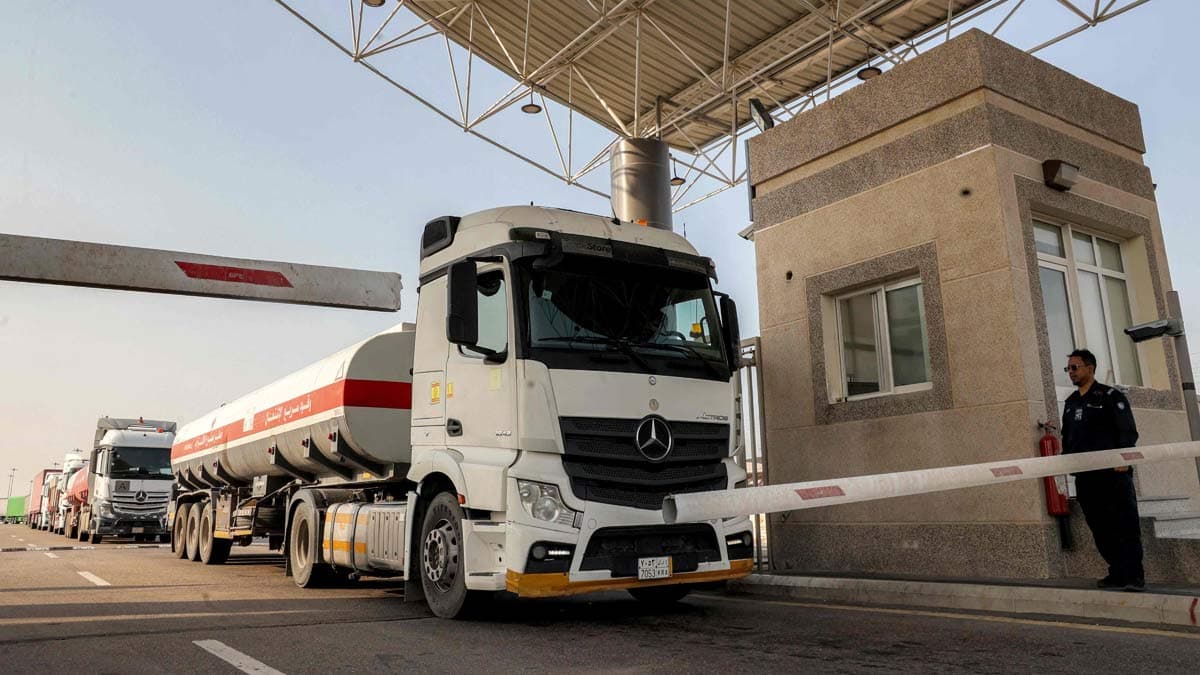
UAE Halts Habshan Gas Facility Operations After Debris From Intercepted Missiles
10 sources compared

Iran Threatens Gulf Energy Facilities After Israel Strikes South Pars Gas Field
11 sources compared