Iran26 May, 20262 min read
Iran Restores International Internet Access After 28 February Blackout, Sparking Anger Over Food Inflation
This article is an automated aggregation of coverage from news outlets. Our editorials offer in-depth analysis curated by the NewsCord team.
International internet access restored in Iran after an 88-day nationwide blackout. Anger over food inflation surfaces as internet partially restored, with large price hikes for staples.
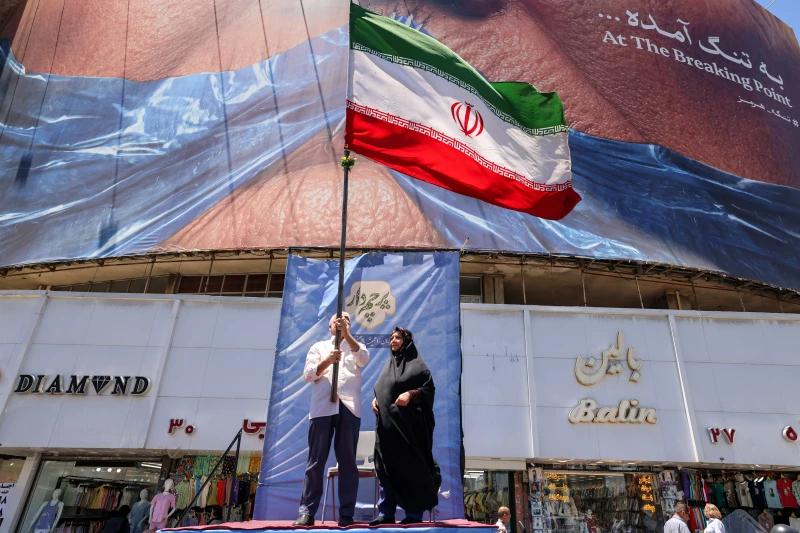
Internet returns, anger rises
Iran began restoring international internet access after a near-total shutdown that began on 28 February, with the partial lifting described as enough to spark anger over food price inflation and shortages.
The Guardian reported that ordinary Iranians decried annual price increases of 308% for vegetable oil, 190% for chicken, and 170% for rice, while connectivity remained patchy on Wednesday with mobile internet still largely disconnected and many sites restricted.
In a social media post carried by the Guardian, one user wrote, "Everything is so expensive. It has become a disaster," as another said, "You leave the market with a broken heart after spending all your savings."
President Masoud Pezeshkian, who received some credit for lifting restrictions, blamed the US for Iran’s economic woes, saying Washington "had moved to economic warfare after failing to bring the government down".
Officials, intelligence ministry, and courts
First Vice President Mohammad Reza Aref said on Tuesday that "the first step toward free and regulated access to cyberspace has been taken" as Iran moved to restore international connectivity after the 88-day blackout. The New Region reported that Iran’s judiciary temporarily suspended the presidential body tasked with managing the country’s internet, citing complaints seeking the "annulment of the executive regulations" establishing the body.
The judiciary said the Administrative Court of Justice issued a temporary order suspending implementation after complaints were filed, stressing that when complaints seek annulment of executive regulations, it may issue a temporary order before reviewing the complaint. In parallel, the intelligence ministry statement described concerns that internet freedom could be used for "cognitive warfare," warning that Iran’s adversaries aimed to "incite protesters and drag them on to the streets."

Traffic limits and rights claims
TechRadar said Iran’s internet restoration was underway after an 88-day shutdown, but it warned that national traffic remained under 50% of normal levels as of Wednesday and quoted Amir Rashidi saying, "the internet is not connected."
TechRadar reported that Amir Rashidi, Director of Internet Security and Digital Rights at the Miaan Group, wrote on X that "The disruption volume on the network is very high," while Doug Madory of Kentik said traffic topped out at around 41% of normal levels.
Bernama-Anadolu, citing Tasnim, said users once again have access to international websites and that fixed broadband services including FTTH, VDSL and ADSL, as well as mobile internet services, are available without restrictions.
In the Guardian, rapper Toomaj Salehi said being connected to the internet was "not a favour to us – it is our right. And without filters as well," while human rights activist Emadeddin Baghi wrote, "Three bloody months have passed, but not for those who lost a loved one or had their home destroyed."