
Iran Retains Thousands of Ballistic Missiles Despite U.S.-Israeli Strikes
Key Takeaways
- Iran still possesses thousands of ballistic missiles despite U.S.-Israeli strikes.
- Intelligence assessments indicate Iran could rebuild strength and resume attacks.
- The estimates come from The Wall Street Journal, cited by multiple outlets.
Iran's Missile Arsenal Resilience
U.S. intelligence assessments conclude that Iran still possesses thousands of ballistic missiles despite weeks of intensive strikes.
More than half of Iran's missile launch platforms were destroyed, damaged, or isolated, but many could be repaired or retrieved from underground complexes.

Iran's missile stockpile had fallen to about half during the war, but Tehran still retains thousands of medium- and short-range ballistic missiles.
Defense Secretary Pete Hegseth described the missile program as virtually destroyed, while intelligence reports presented a different reading.
Israeli sources say Iran still possesses more than a thousand medium-range missiles out of about 2,500 it held before the war began.
Missile Capabilities and Regional Threats
Iran possesses a diverse missile arsenal including ballistic, cruise, and hypersonic missiles, as well as drones.
Short-range missiles have a range between 300 and 1,000 kilometers; medium-range between 1,000 and 2,000 kilometers, capable of reaching Israel.
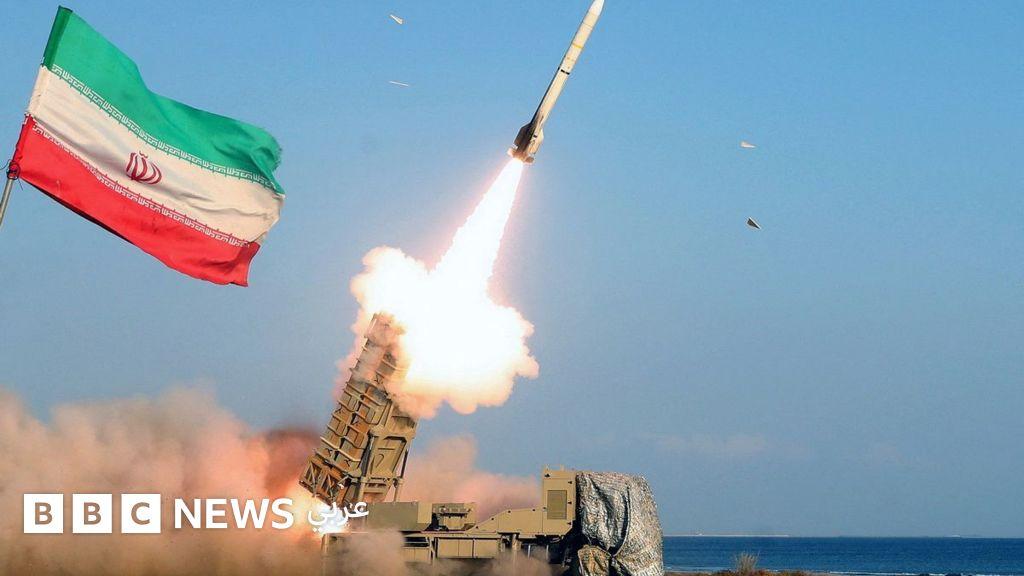
Iran has adjusted its missile employment, directing strikes toward Israel and Gulf states together.
Tehran fired more than 550 missiles targeting Gulf states over roughly four days.
The Israeli Institute for National Security Studies estimates Iran fired 128 missiles at Israel from the start of the war through March 4.
Iran has lost about half of its missile launch platforms during the current and previous wars.
Iran's Missile Range and Military Influence
Iran possesses about 2,000 medium-range ballistic missiles capable of covering the entire Middle East and even targeting Israel.
Tehran holds significant stocks of short-range missiles that could strike U.S. bases in the Persian Gulf.
Iran also possesses anti-ship cruise missiles, dragon-slayer fast-attack boats, and a large number of drones.
Behnam Bantablo says Tehran may be weakened, but its powerful missile force means it remains deadly.
The United States has dispatched the carrier strike group USS Abraham Lincoln to the Middle East.
Iranian officials have repeatedly warned they would respond decisively to any retaliatory strike.
Diplomatic Tensions and Missile Negotiations
Iranian officials have repeatedly stressed they regard their missile program as non-negotiable.
Netanyahu had said any negotiations must include preventing Iran from obtaining nuclear weapons and imposing limits on ballistic missiles.
Abdul-Rahim Musavi responded by saying: 'Netanyahu has said a lot.'
The Iranian government has supplied ballistic missiles or parts of them to proxy forces in the region.
The IRGC is developing biological and chemical warheads for ballistic missiles.
Persistent insistence that missiles are defensive does not align with reality.
More on Iran

Iran Blocks Strait of Hormuz Despite Two-Week Ceasefire With US and Israel
15 sources compared
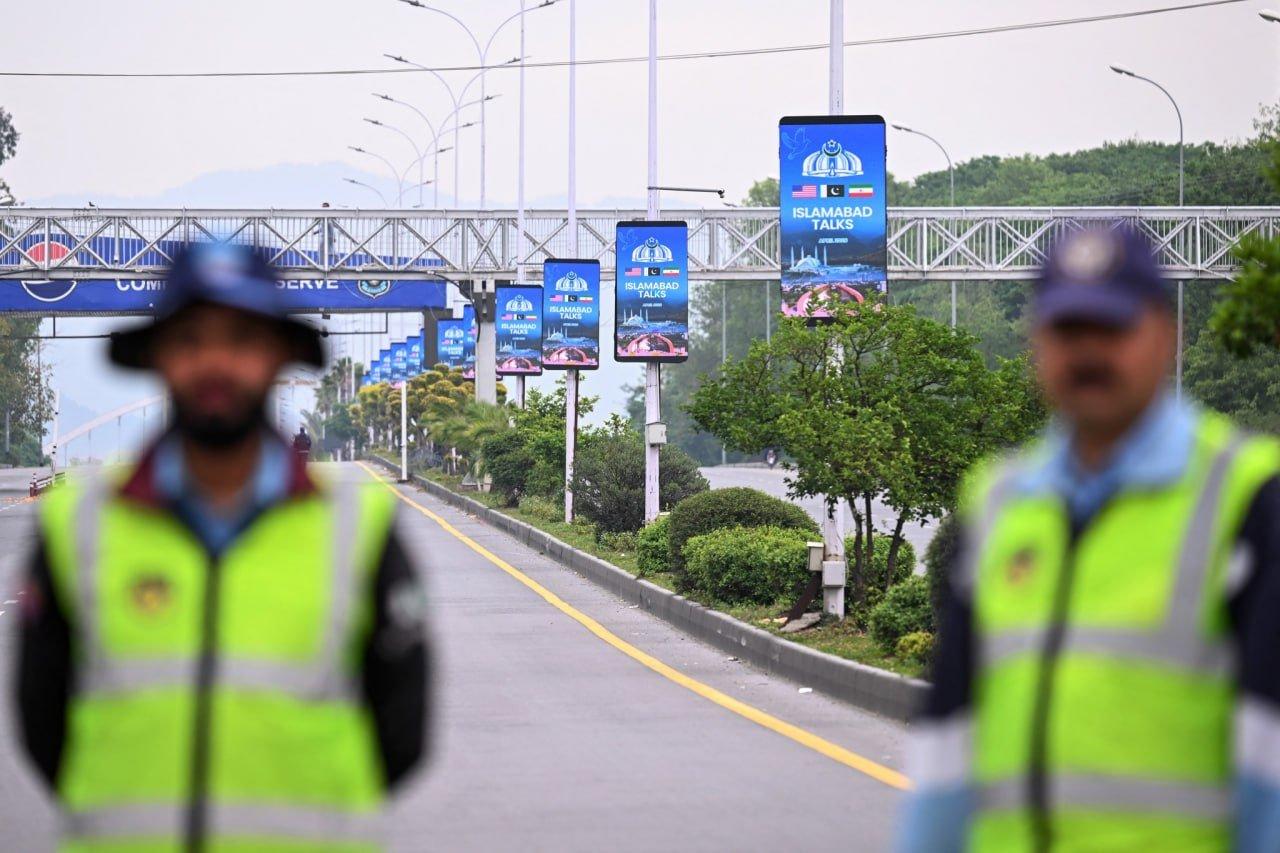
U.S. And Iran Hold Historic Peace Talks In Islamabad Led By Vance And Ghalibaf
40 sources compared

US-Iran Peace Talks Begin in Pakistan Amid Ceasefire and Mutual Distrust
28 sources compared
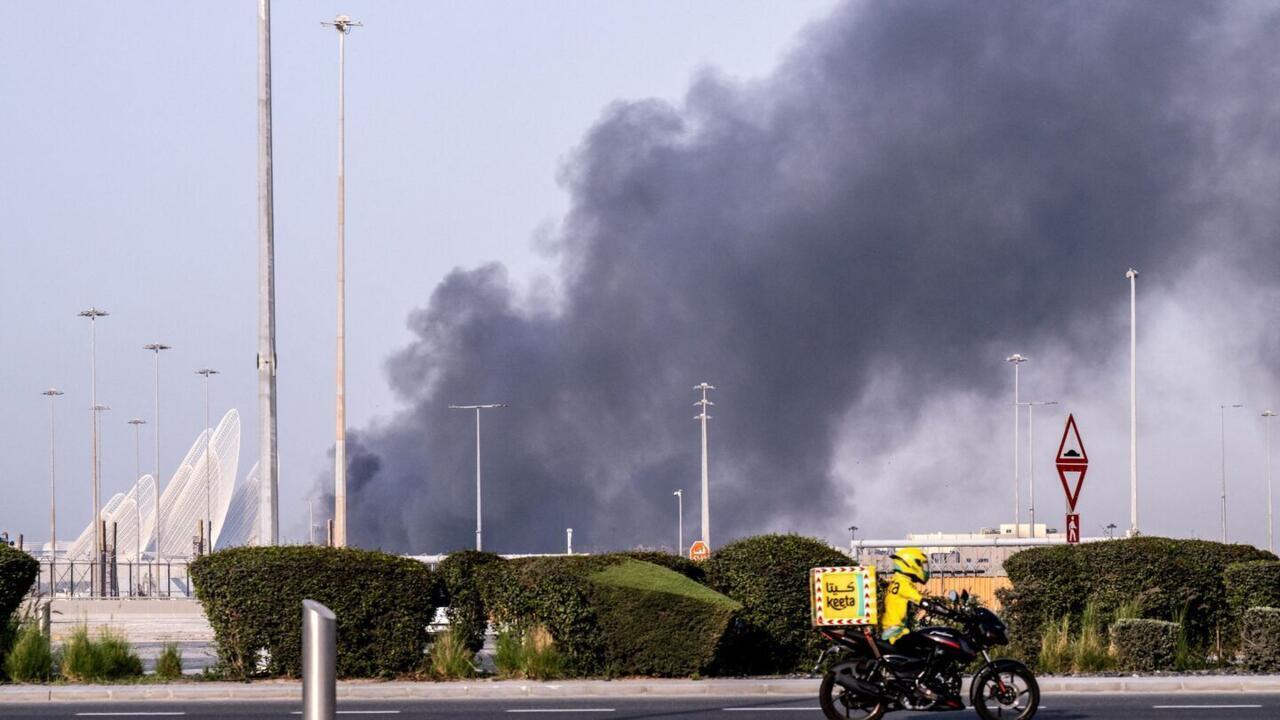
Qatar Shoots Down Two Iranian Su-24 Jets Amid Missile and Drone Attacks
10 sources compared