
Iran Reviews US Peace Proposal as Trump Says Deal Is Possible
Key Takeaways
- Iran is reviewing the U.S. peace proposal and will convey its response via Pakistan.
- The proposal would end the war but leaves Iran's nuclear suspension and Hormuz control unresolved.
- Trump says a deal is very possible; Iran warns against further military action.
US memo, Iran review
Iran said it was reviewing a United States peace proposal to end the war while leaving unresolved key US demands that Iran suspend its nuclear programme and reopen the Strait of Hormuz, with an Iranian Foreign Ministry spokesperson quoted by Iran’s ISNA news agency saying Tehran would convey its response on Wednesday.
US President Donald Trump told reporters in the Oval Office that “They want to make a deal.

We’ve had very good talks over the last 24 hours, and it’s very possible that we’ll make a deal,” as Axios reported the two sides were “getting close” to a 14-point document.
The memorandum described by Axios would have Iran agree not to develop a nuclear weapon and halt enrichment of uranium for at least 12 years, while the US would lift sanctions and release billions of dollars in frozen Iranian assets and both sides would reopen the critical waterway within 30 days of signing.
The BBC said Iran was “still being considered,” and Reuters reported the US negotiations were being led by Trump’s envoy Steve Witkoff and son-in-law Jared Kushner.
Reactions and mediation
Iranian leaders pushed back on the proposal as Ebrahim Rezaei, a spokesperson for the Iranian parliament’s powerful foreign policy and national security committee, called it “more of an American wish-list than a reality.”
The BBC reported that a foreign ministry spokesman said Tehran would share its views of a US proposal with Pakistani mediators, and the Pakistani Foreign Ministry said it welcomes the news of a potential agreement but “as mediators, we will not jeopardize the parties’ trust by disclosing details.”

Trump also threatened renewed violence, writing on his Truth Social platform that if Iran did not agree to a deal “the bombing starts, and it will be, sadly, at a much higher level and intensity than it was before”.
CNN, citing a regional source, said Iran is expected to respond to mediators on Thursday and that both sides are believed to be advancing toward an agreement on a short memorandum with a 30-day negotiation period.
What’s at stake next
The proposal’s next phase hinges on whether Iran accepts a framework that would end hostilities and start a 30-day negotiation period, with Reuters and Axios describing a clock beginning after signing and detailed talks aimed at reaching a full agreement.
The Jerusalem Post said Trump told Fox News that Iran has one week to respond to Washington’s proposed peace deal, while also describing key points as lifting both countries’ blockades on the Strait of Hormuz in exchange for US removal of sanctions and an Iranian commitment to a 15-year moratorium on uranium enrichment.
The BBC said the crucial waterway has effectively been blockaded by Iran since the US and Israel began attacking it in late February, and it added that few vessels have been able to transit the strait since an early April ceasefire under which Iran ended its drone and missile strikes on Gulf countries including the UAE.
In parallel, the Guardian reported that Masoud Pezeshkian told Emmanuel Macron that the US’s behaviour had “deviated the path of diplomacy towards threats, pressure and sanctions” and that Tehran could not trust Washington.
More on Iran
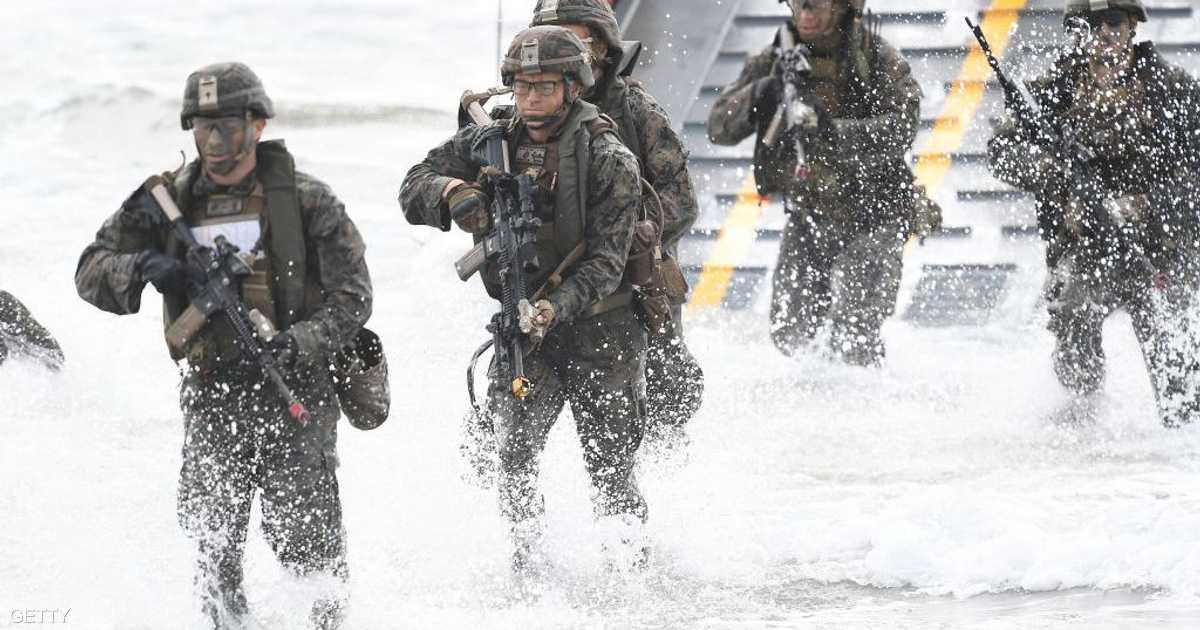
U.S. Fires on Iranian-Flagged Tankers in Strait of Hormuz After Exchanging Fire
11 sources compared
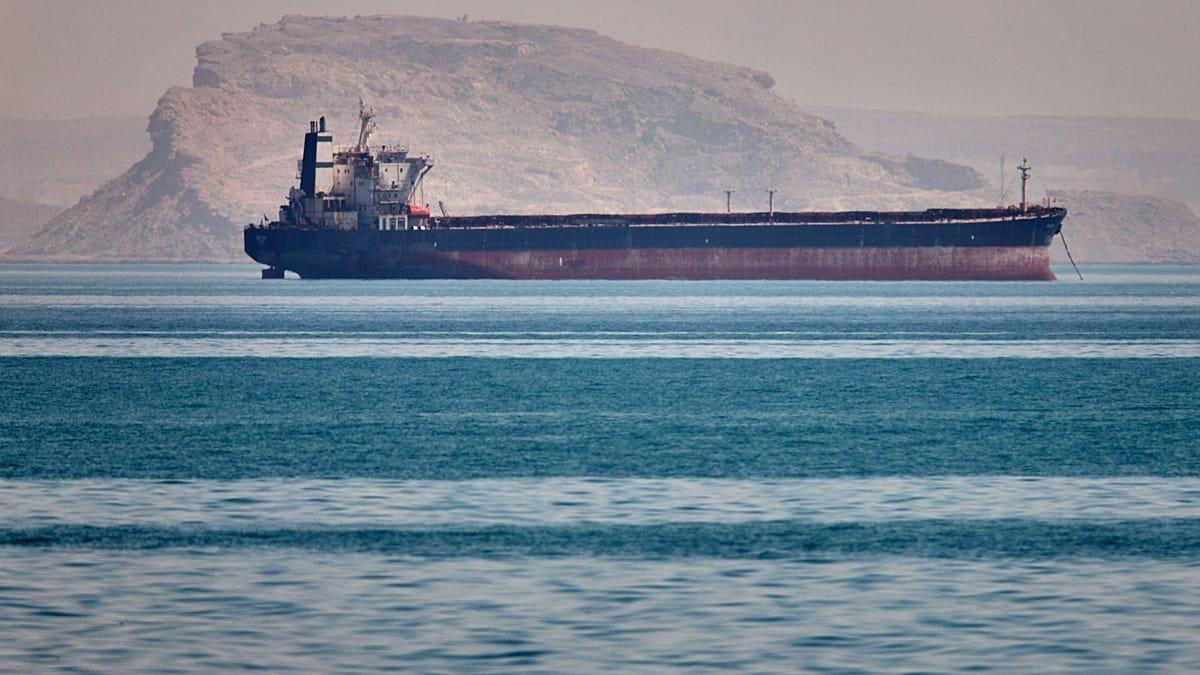
U.S. Fires on Two Iranian-Flagged Tankers Near Strait of Hormuz, Trump Expects Iran Response
17 sources compared
Iran Retaliates After U.S. Attacks Vessels Near Strait of Hormuz, Trump Warns Of More Strikes
18 sources compared
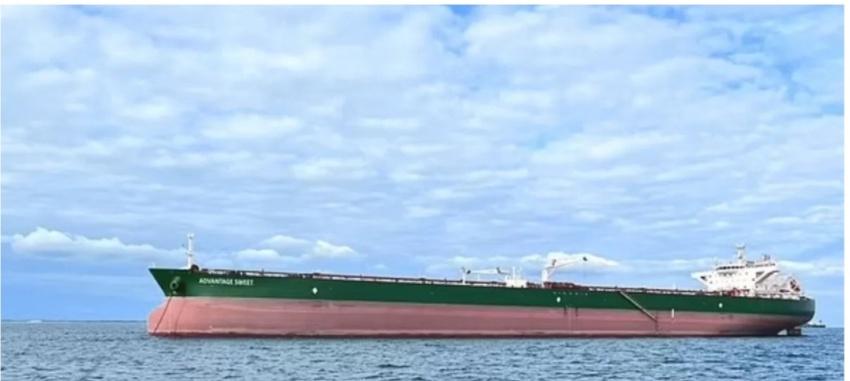
IRGC Navy Seizes Ocean Koi Tanker in Gulf of Oman, U.S. Disables Two Tankers
15 sources compared