Iran Reviews U.S. Plan After U.S. Strikes Disable Tankers Near Strait of Hormuz
Key Takeaways
- U.S. strikes disabled two Iranian-flag tankers near the Strait of Hormuz.
- Iran says its response to the U.S. plan remains under review.
- Mediation by Pakistan and China aims to de-escalate tensions.
Review, Blockade, Tankers
Iran’s Foreign Ministry said its response to a proposed U.S. plan remains under review while condemning recent American military aggression near the Strait of Hormuz as a “gross violation” of international law.
“Everything you need to know - Iran: Our response to Trump's latest proposal to end the war is under review - Rubio expresses disappointment with Europe’s stance on the war against Iran - Washington announces strikes on two Iranian-flag oil tankers that attempted to breach the naval blockade - A limited exchange of fire threatens the fragile ceasefire - Moscow: Unbalanced language in the Security Council draft resolution on the Strait of Hormuz Iran: Our response to Trump's latest proposal to end the war is under review Ismail Bagheri, spokesman for Iran’s Foreign Ministry, told the semi-official Tasnim News Agency today, Friday (May 8, 2026): Iran’s response to the latest proposal put forward by U”
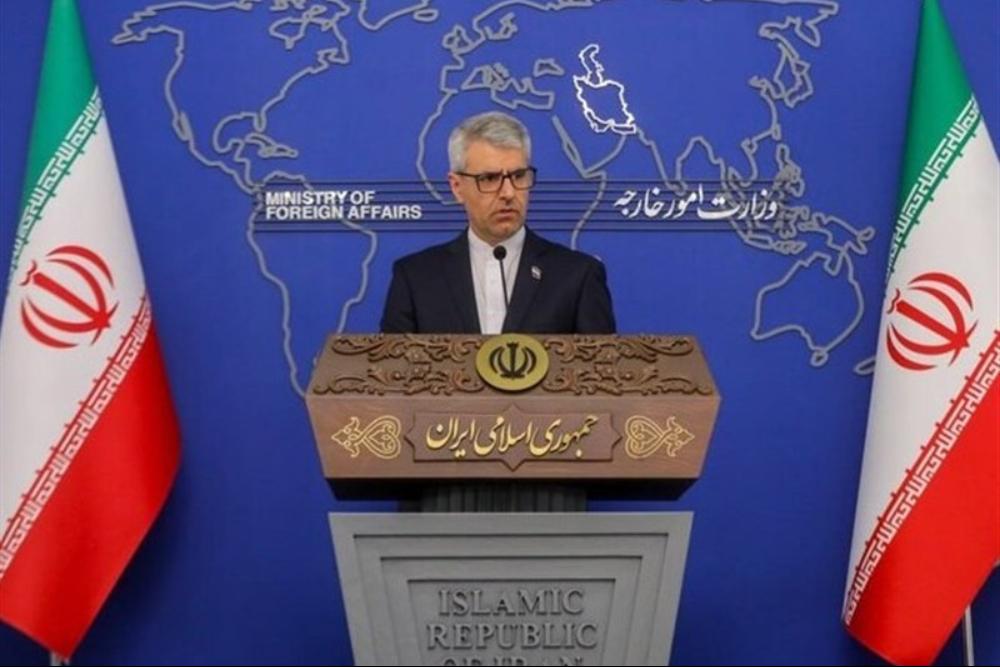
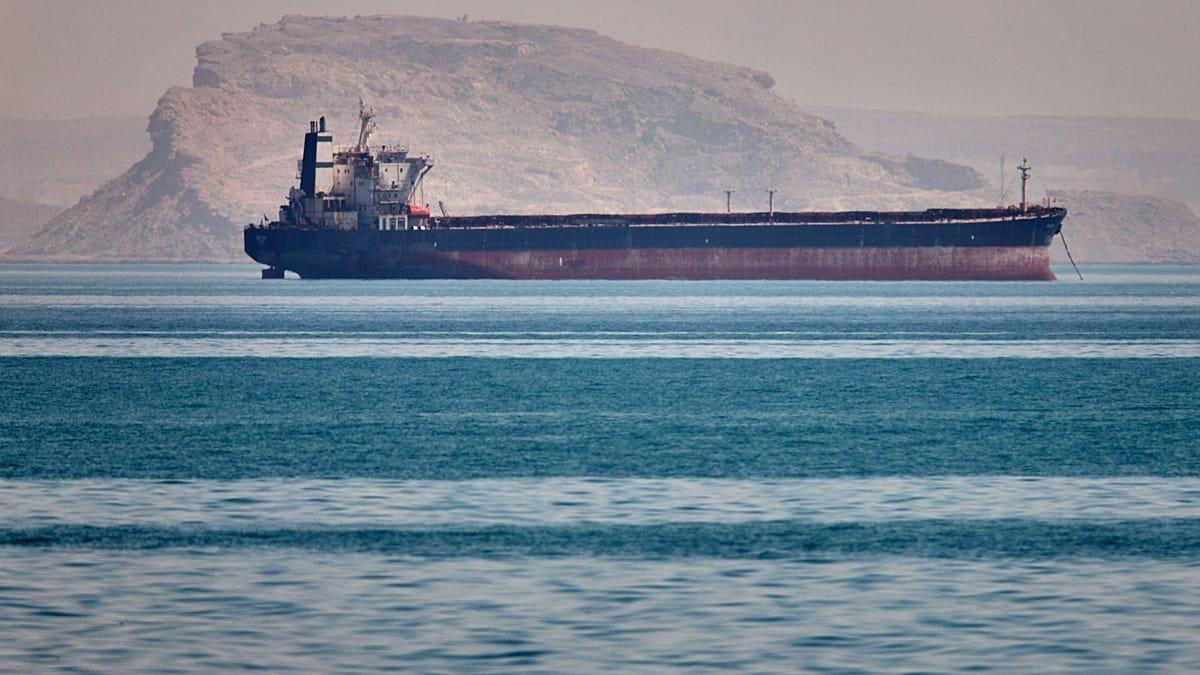
Foreign Ministry spokesperson Esmaeil Baghaei said the U.S. Army’s actions against two Iranian oil tankers near the Port of Jask and the Strait of Hormuz, along with strikes on several coastal locations, were a breach of the existing ceasefire and international legal frameworks.
Baghaei said, “This matter is still under review. We will announce the outcome once a conclusion has been reached,” as he dismissed reports that Washington had set a specific deadline for Iran to respond.
In parallel, Radio Free Europe/Radio Liberty reported that CENTCOM said two more Iranian-flagged tankers were disabled in the Gulf of Oman as Washington continued enforcing its blockade on vessels entering or leaving Iran.
The same Radio Free Europe/Radio Liberty report said Iran told Tasnim that armed clashes with U.S. Navy vessels in the Strait of Hormuz had come to an end, with “the fighting has ceased and the situation is under control.”
Trump’s Deal Signals
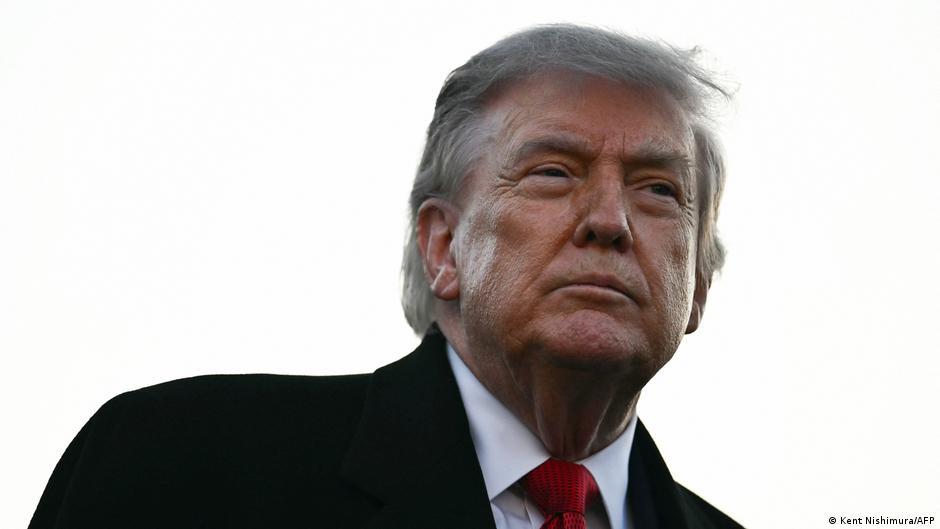
Iran’s review of the U.S. proposal unfolded alongside U.S. President Donald Trump’s public messaging that a deal was possible, even as he threatened tougher strikes if negotiations failed.
The Nation Thailand reported that Trump said the two sides had held “very good talks” over the previous 24 hours and that an agreement was “very possible,” while earlier warning on Truth Social that the United States could restart its bombing campaign if Iran rejected the proposal.
The same report said negotiators were close to a one-page memorandum that would formally end the conflict and trigger 30 days of detailed talks, including reopening shipping through the Strait of Hormuz and lifting U.S. sanctions on Iran.
France 24 reported that Trump said ending the war through a deal with Iran had become “very likely,” while keeping the option to resume military strikes on the table if Tehran rejected the proposal.
On the Iranian side, France 24 quoted Foreign Ministry spokesman Ismail Baqayi saying “the American plan and proposal are still under review” in Tehran, as Mohammad Bagher Ghalibaf accused the United States of trying to force Iran to surrender through a naval blockade, economic pressure, and media manipulation.
Tolls, Mediation, Stakes
As Iran reviewed the U.S. plan, it also moved to manage shipping through the Strait of Hormuz by launching an agency to administer tolls on ships transiting the waterway.
“Guarded hopes for an end to the war between the United States and Iran emerged after U”
The Hill reported that Iran launched the Persian Gulf Strait Authority to approve ship transits and collect tolls, and said Iran’s Islamic Revolutionary Guard Corps Navy has cracked down on shipping through the passageway since the U.S. and Israel launched the war on Feb. 28.
The Hill also said the Trump administration submitted a memorandum to Iranian officials on ending the conflict, and that multiple outlets reported Wednesday that under that proposal Iran would commit to a moratorium on nuclear enrichment in exchange for lifting sanctions and releasing billions in frozen Iranian funds.
Euronews said Iran planned to convey its final position on the American proposal through the Pakistani mediator, and quoted Ismail Baqai affirming that the American proposal remains “under study.”
Euronews added that any potential progress in U.S.–Iran negotiations would have implications for Lebanon, where it said the fragile ceasefire with Israel faces pressure after a raid targeted Beirut’s southern suburb and killed Malik Blout, the commander of Hezbollah’s Ridwan Force, according to the Israeli side.
More on Iran

U.S. Fires on Iranian-Flagged Tankers in Strait of Hormuz After Exchanging Fire
11 sources compared
U.S. Fires on Two Iranian-Flagged Tankers Near Strait of Hormuz, Trump Expects Iran Response
17 sources compared
Iran Retaliates After U.S. Attacks Vessels Near Strait of Hormuz, Trump Warns Of More Strikes
18 sources compared
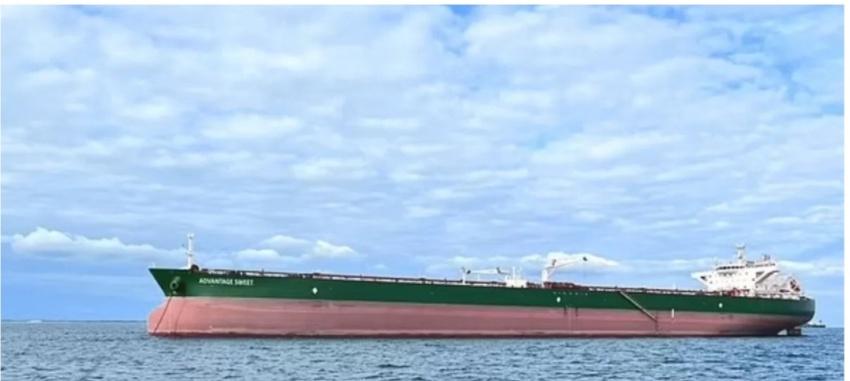
IRGC Navy Seizes Ocean Koi Tanker in Gulf of Oman, U.S. Disables Two Tankers
15 sources compared