Full Analysis Summary
Iran's warnings and nuclear stance
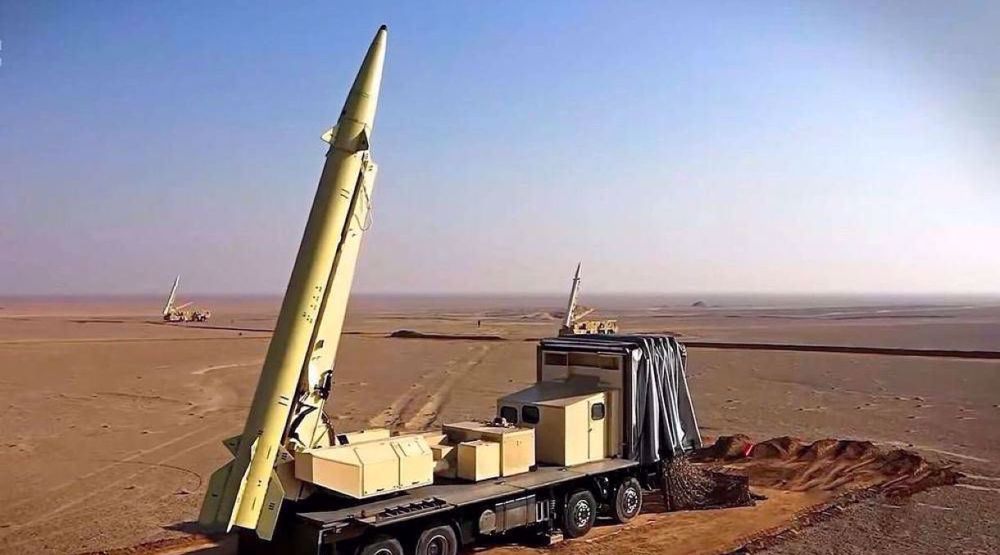
Iran reacted to U.S. escalatory rhetoric with explicit, forceful warnings this week.
It said its "fingers are on the trigger" and that its armed forces are "ready to respond immediately and powerfully."
Foreign Minister Abbas Araghchi framed Tehran's posture as battle-hardened, saying lessons from a 12-day June conflict have prepared Iran to deliver "faster, deeper retaliation" if attacked.
He also reiterated Iran's openness to a "mutually beneficial, fair and equitable" nuclear agreement that guarantees peaceful nuclear rights and is negotiated on equal footing.
Iran also denies any intention to build nuclear weapons.
Coverage Differences
Limited source coverage — single-perspective emphasis
Only PressTV (West Asian) is provided, so cross-source comparisons are not possible. PressTV presents a defiant Iranian stance that mixes strong military warnings with continued openness to a negotiated nuclear deal, quoting Iranian officials directly. Because no Western mainstream or alternative sources are provided, we cannot identify how other source types frame Iran’s statements differently (for example, whether they emphasize threat, diplomacy, or context).
U.S.-Iran tensions
The statements were issued in direct response to U.S. President Donald Trump's recent escalatory moves, as he announced a new naval deployment toward Iran and warned that a failure to reach a deal could prompt a military strike he said could be far worse than the June 2025 U.S. attack on Iranian nuclear sites.
Tehran framed those comments as provocations that risk direct military confrontation and stressed that any U.S. strike would be met with rapid and forceful retaliation.
Coverage Differences
Limited source coverage — inability to compare framing
PressTV reports Trump’s deployment and his warning in stark terms and connects them to Iran’s defensive rhetoric. With only PressTV available, we cannot show how Western mainstream outlets or regional alternatives characterize Trump’s announcement (e.g., as deterrence, pressure, or aggressive escalation) or whether they include U.S. administration justifications or differing timelines.
Hard-line Iranian threats
Hard-line Iranian figures amplified the threat level and introduced provocative target suggestions.
Ebrahim Azizi suggested that Trump Organization assets could be legitimate Iranian targets if the U.S. carries out attacks, explicitly extending Iran's rhetoric to U.S. corporate interests.
Senior adviser Ali Shamkhani described the idea of a 'limited strike' as an illusion, warning that any U.S. military action would be treated by Iran as the start of war and met with 'immediate, all-out, and unprecedented' retaliation, including threats directed at Tel Aviv.
Coverage Differences
Limited source coverage — single-source emphasis on hard-line rhetoric
PressTV highlights hard‑line Iranian voices (Azizi, Shamkhani) who escalated threats to include U.S. business interests and Israeli targets. Without other sources, we cannot contrast this portrayal with, for example, Western analyses that might downplay those threats or provide U.S. responses, nor can we show if other outlets contextualize these remarks differently.
Tehran's dual-track strategy
Taken together, official and hard-line statements communicate a dual-track strategy: Tehran signals credible military retaliation to deter U.S. strikes while publicly keeping a pathway to a "fair and equitable" nuclear deal.
The rhetoric raises the immediate risk that any miscalculation by Washington could trigger rapid escalation.
PressTV cites Iran’s repeated denials of intent to develop nuclear weapons to argue for diplomatic solutions on equal footing rather than coercion.
Coverage Differences
Limited source coverage — synthesis offered by a single outlet
PressTV synthesizes deterrence and diplomacy in Iran’s messaging. Without cross-referencing sources of other types, we cannot verify whether other outlets interpret this dual message as credible deterrence, bluster, or a face-saving diplomatic posture.
PressTV warnings and gaps
PressTV’s coverage makes clear Tehran’s stark warning to Washington and signals a willingness to target U.S. interests or Israeli cities if attacked, statements that increase the risk of a broader war.
Only PressTV material was provided for this summary, so significant gaps remain — notably the absence of additional U.S. administration statements, Israeli responses, and independent third-party analysis — meaning the wider international context and how other media would frame these events cannot be assessed here.
Coverage Differences
Explicit note on source limitation
Because only a West Asian source (PressTV) is available, we cannot perform the requested multi-source, cross-type comparison. PressTV’s tone is adversarial and state-aligned; without mainstream Western or alternative outlets, we cannot document contrasting narratives, omissions, or differing tones from those source types.