
Iran says Hormuz is open to all except enemy ships amid U.S. threat
Key Takeaways
- Hormuz open to all shipping except enemy-linked vessels.
- Trump's 48-hour ultimatum to fully open Hormuz; otherwise attacks on energy facilities.
- Iran ready to cooperate with the International Maritime Organisation to improve Gulf safety.
Iran's Hormuz Declaration
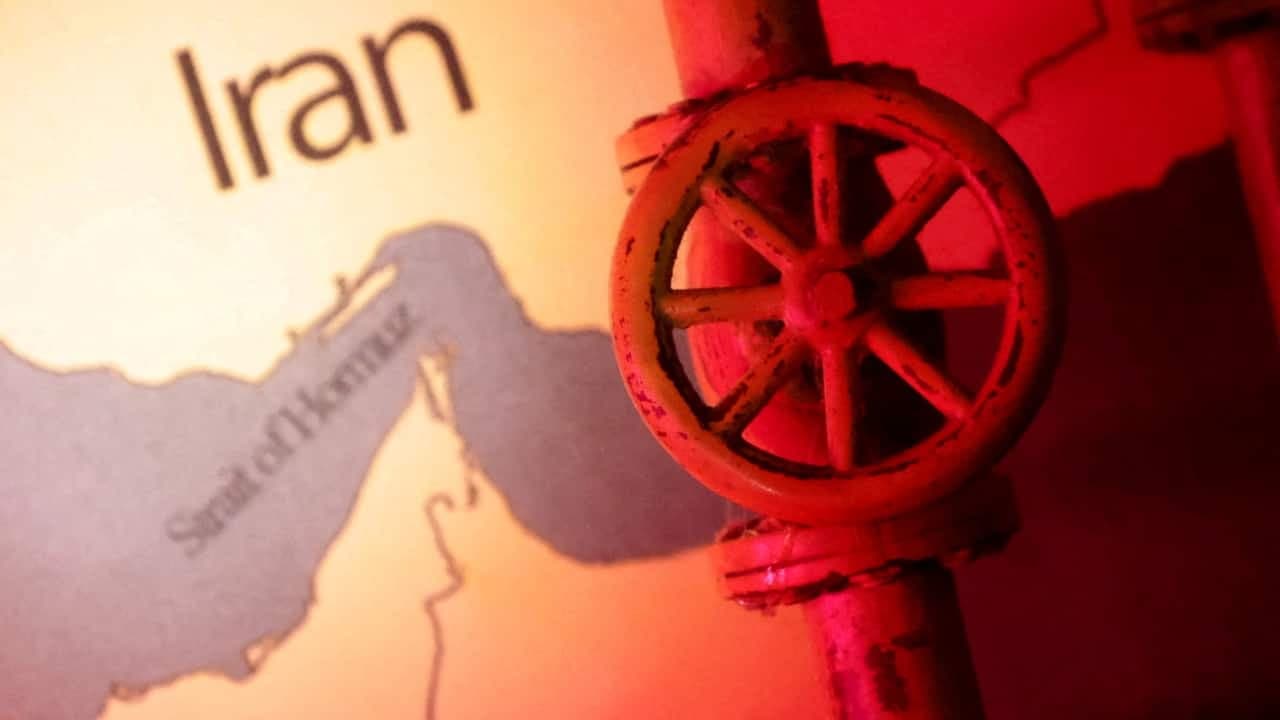
Iran has declared that the strategically vital Strait of Hormuz remains open to international shipping, but only for vessels not linked to what it terms its 'enemies.'
“US President Donald Trump has threatened to “hit and obliterate” Iran’s power plants, “STARTING WITH THE BIGGEST ONE FIRST”
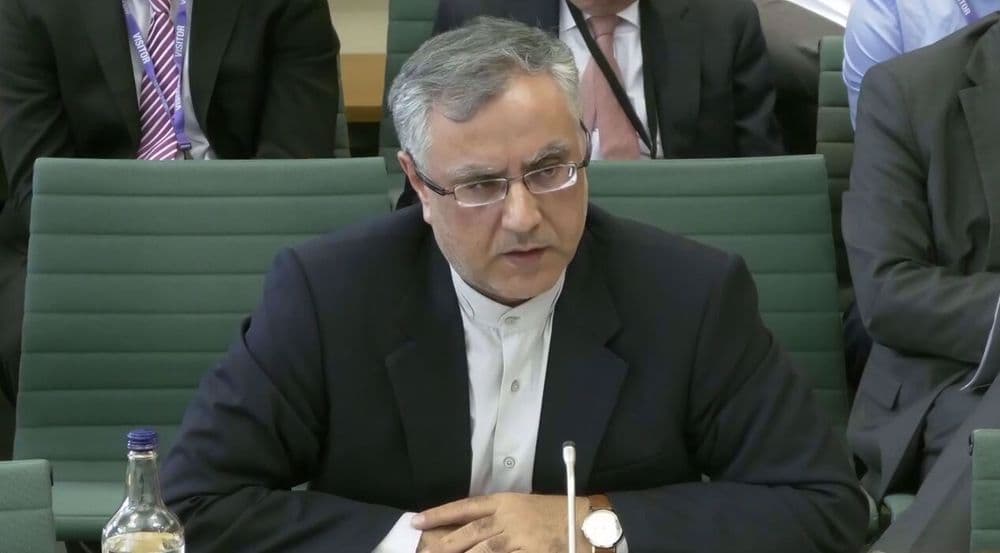
Iranian representative to the UN's International Maritime Organization, Ali Mousavi, stated that the waterway continues to function under coordinated security arrangements with Tehran.

The announcement came amid escalating tensions in the region where Iran has effectively disrupted most shipping through the critical chokepoint.
This vital waterway carries approximately 20% of global oil and liquefisted natural gas supplies.
Mousavi emphasized that diplomatic cooperation with maritime authorities remains possible despite the current hostilities.
Trump's Ultimatum Escalation
US President Donald Trump issued a stark 48-hour ultimatum to Iran, threatening to 'obliterate' the country's power plants if Tehran did not 'FULLY OPEN' the Strait of Hormuz by the deadline.
The threat, delivered via Trump's Truth Social platform on Saturday evening, specifically warned that US strikes would begin with Iran's largest power plant first.

This dramatic escalation came as the US faces domestic pressure from soaring oil prices and market volatility caused by the Hormuz crisis.
Trump's warning set a deadline of Monday, March 23, at 7:44 p.m.
This created what analysts described as a 'ticking time bomb' over global financial markets.
Predictions suggest potential 'Black Monday' stock market collapse if the ultimatum is not walked back.
Conflict Context & Market Impact
The current crisis in the Strait of Hormuz stems directly from the ongoing US-Israeli war on Iran, which began with joint US-Israeli strikes on February 28.
“The Strait of Hormuz remains open to all shipping except vessels linked to “Iran’s enemies”, Iran’s representative to the U”
Iranian officials have explicitly stated that the 'root of the current situation in Strait of Hormuz' is the 'Zionist and U.S. attacks against Iran.'
Mousavi blamed US and Israeli strikes for triggering the current tensions in the region.
The conflict has already caused significant disruption to global energy markets.
Oil prices have reached their highest levels in nearly four weeks.
European gas prices have surged as much as 35% in recent weeks.
Iran's restrictions on shipping have effectively closed the vital chokepoint.
This waterway serves as the only maritime outlet for ports in the Persian Gulf.
The situation potentially triggers a global energy shock that could deepen and prolong the regional crisis.
Military Escalation Cycle
Despite Iran's diplomatic rhetoric emphasizing cooperation and safety, Iranian military forces have renewed threats against regional infrastructure.
The military's operational command Khatam Al-Anbiya warned to strike energy, information technology and desalination sites in response to any attacks on Iranian fuel and energy infrastructure.
The military stated that if Iran's energy infrastructure is violated, all energy, IT and desalination infrastructure belonging to the US and regional partners will be targeted.
This creates a dangerous cycle of escalation where Tehran maintains a dual stance of diplomatic openness while simultaneously preparing for military confrontation.
Meanwhile, the US has reportedly considered plans to occupy or blockade Iran's strategically crucial Kharg Island.
Such action would pressure Tehran into reopening the vital waterway.
This would mark a massive escalation in the already volatile conflict.
Human Cost & International Response
The human cost of the Hormuz crisis has been significant, with at least seven seafarers killed and several others seriously injured in attacks on merchant vessels in the Strait of Hormuz area.
“Trending: West Asia war Iran hits Israeli town Indian Merchant Navy captain dead Iran fires at Diego Garcia IPL 2026 Dhurandhar 2 advertisement Hormuz open to all but ‘enemy’ vessels: Iran doubles down after Trump’s 48-hour ultimatum FP News Desk _•_ March 22, 2026, 14:36:36 IST advertisement Iran has said the Strait of Hormuz remains open to most global shipping but restricted for vessels linked to its “enemies,” signalling a partial easing of its earlier stance even as tensions escalate after Trump’s 48-hour ultimatum”
According to IMO data, approximately 20,000 seafarers remain stranded aboard ships in the Gulf region.
This creates a humanitarian crisis at sea amidst the escalating tensions.
Iran has permitted some friendly countries, including China, India, and Pakistan, to secure safe passage for their vessels.
This demonstrates a selective approach to the crisis.
The situation has drawn international condemnation, with over 20 nations issuing a joint statement.
These nations condemned Iran's de facto closure of the Hormuz Strait.
Ukraine's president Volodymyr Zelenskyy has expressed concern that the Iran war diverts attention from Ukraine's fight against Russia.
This potentially undermines Kyiv's position in ongoing diplomatic negotiations.
More on Iran
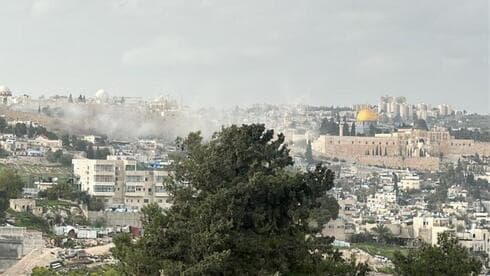
Iran Strikes Dimona Near Israel's Main Nuclear Facility, Wounding Dozens
88 sources compared

Trump Threatens to Obliterate Iran's Power Plants Over Strait of Hormuz
44 sources compared
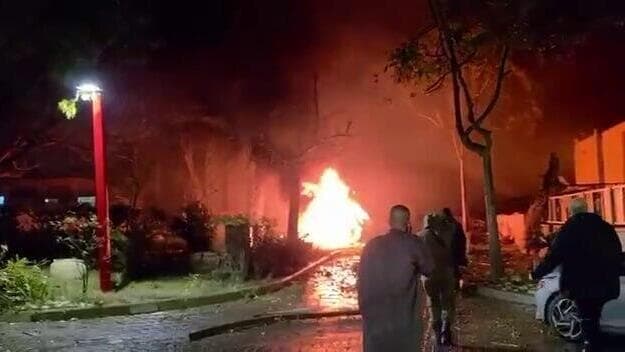
US and Israel Strike Iran's Natanz Enrichment Site; No Radioactive Leaks Reported.
81 sources compared

Iran's Attempted Diego Garcia Strike Reveals Missile Range
147 sources compared