Full story
Strait Disrupted, Strikes Expand
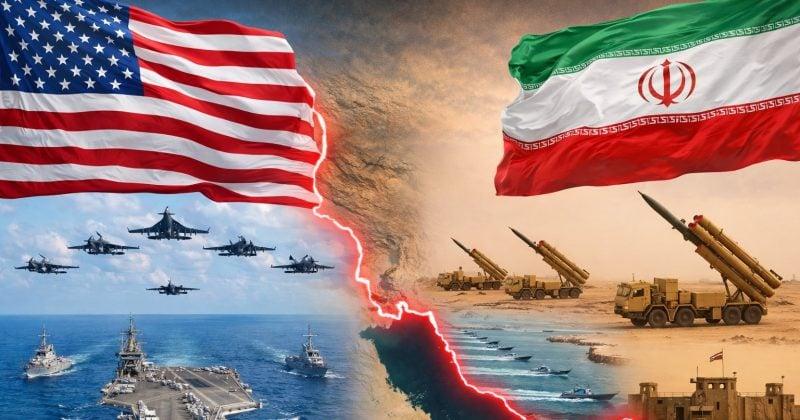
Iran said it was engaged in a full-scale war with the United States as it claimed responsibility for attacking two oil tankers in the Strait of Hormuz, while the BBC reported that Tehran expanded its strikes to include the city of Bushehr, where a nuclear power plant is located.
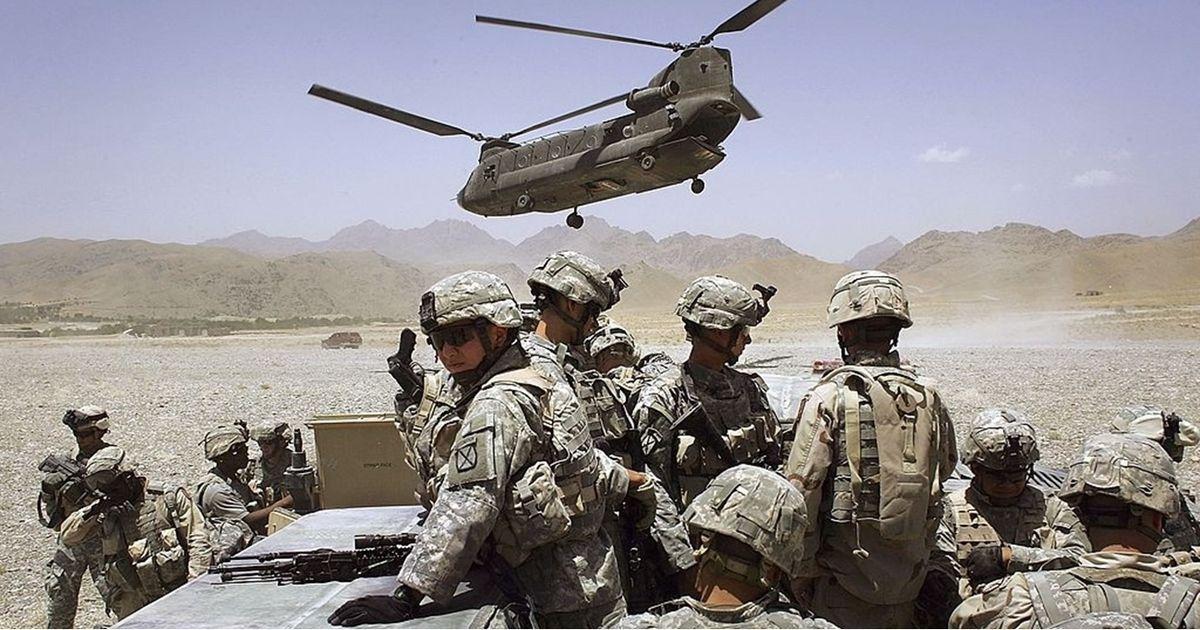
In Washington, Trump warned that “Every time Iran kills an American service member, the price will be paid many times over,” after the deaths of three more service members and the loss of a fourth in operations, according to the BBC.

The U.S. Central Command said it had completed an ninth consecutive night of airstrikes against Iranian military targets, including command centers, air defense systems, coastal surveillance sites, and missile launch infrastructure, and the strikes “have not reopened the strait,” Reuters’ framing echoed by Tech Times.
Tech Times also said that before the war began on February 28, the Strait of Hormuz handled roughly 88 commercial vessel transits per day and carried approximately 20 million barrels of oil, and that Energy Secretary Chris Wright said current volumes run “a little under 14 million barrels a day.”
Claims, Mediation, and Navigation
The U.S. Central Command announced a new round of strikes against Iran for the tenth night in a row, with strikes beginning at 4:00 PM local time (20:00 GMT) and aimed at continuing to weaken Iranian military capabilities used to attack commercial vessels in the Strait of Hormuz, according to Sky News Arabic.
Iran’s Foreign Ministry spokesman Esmaeil Baghaei said mediators presented Tehran with a proposal to de-escalate the war with Washington, calling for a ceasefire for 10 days to renew a temporary agreement reached last month through Pakistani mediation, as Reuters was quoted by Sky News Arabic.

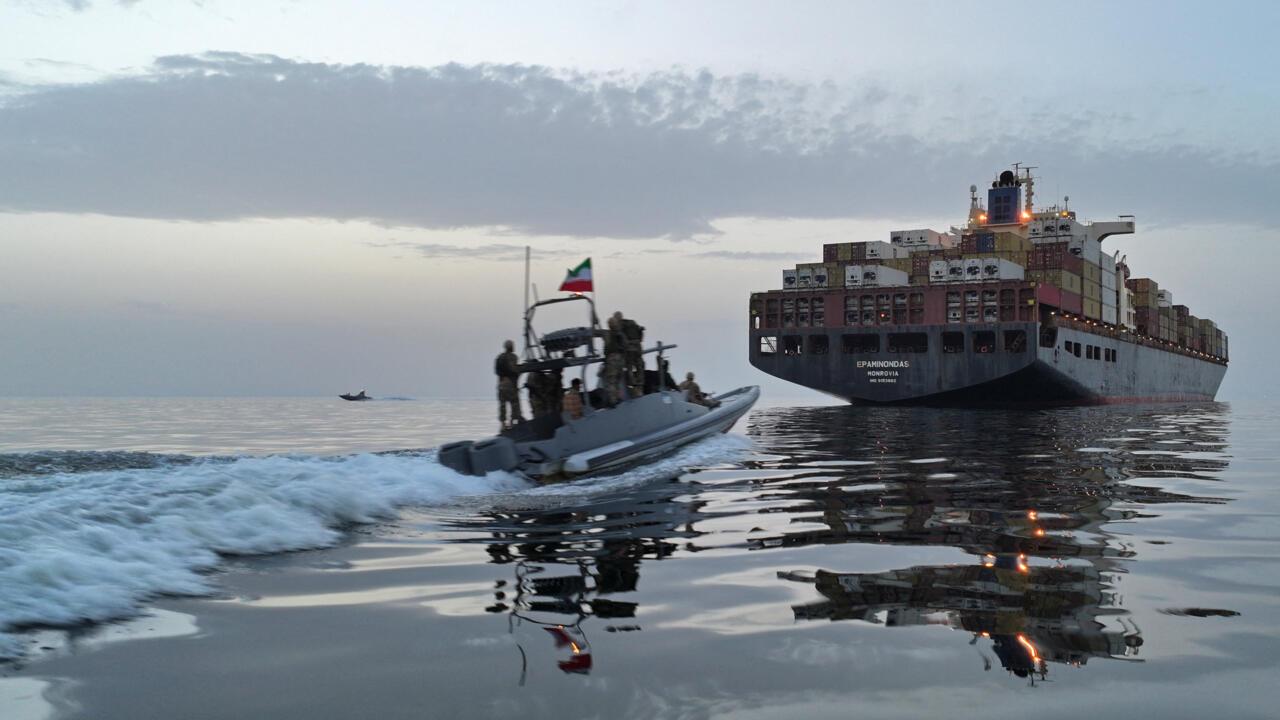
At the same time, Iran’s Revolutionary Guard claimed to have targeted two oil tankers described as “noncompliant,” after attempting to pass through the southern route of the Strait of Hormuz via waters opposite the coast of Oman, while CNN said it could not independently verify the claim.
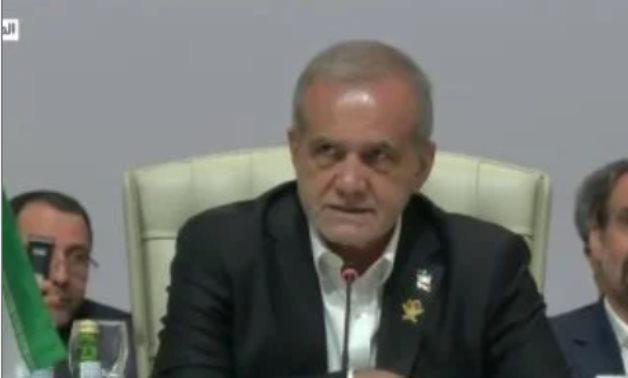
In Tehran, BBC reported that Masoud Bezhkian said “We must be realistic and accept the natural consequences of this resistance,” and that Iranian Foreign Ministry spokesman Ismail Baqayi said diplomatic contacts with Washington through intermediaries were still ongoing despite U.S. military strikes and Iranian attacks on sites in the Gulf and Jordan.
Shipping Declines, Bottleneck Stakes
As tensions escalated between Iran and the United States, London Stock Exchange Group data cited by عاجل showed the number of ships transiting the Strait of Hormuz fell to four vessels on Sunday compared with eight ships the day before.
“Tehran declares a full-scale war with Washington and disrupts navigation in the Strait of Hormuz, as Trump vows that Iran will pay a price far higher for every American service member killed”
The same report said that since Friday, three product tankers and an ultra-large crude oil carrier had entered the strait to load oil, and it warned that any disruption in the Strait of Hormuz would directly affect global energy markets.
Tech Times described the Strait of Hormuz as the only sea route from the Persian Gulf to the ocean routes and said it is where 20 million barrels of oil per day are transported, while also stating that the World Bank’s April 2026 Commodity Markets Outlook described the resulting supply shock as “the largest on record.”
In a separate framing of the strategic stakes, Mehr News Agency said alternative pipelines in Saudi Arabia and the UAE lack sufficient capacity to transport the enormous volume of oil passing through Hormuz, and that “the United States proposed a plan to escort commercial vessels” which it said failed to alter the equation in the region.