
Iran Says It Retaliated After US Forces Attacked Iranian Oil Tanker in Strait of Hormuz
Key Takeaways
- Iran says it fired missiles at US naval units after US attack on Iranian tanker.
- Iranian state media reported missiles targeted 'enemy units' in the Strait of Hormuz.
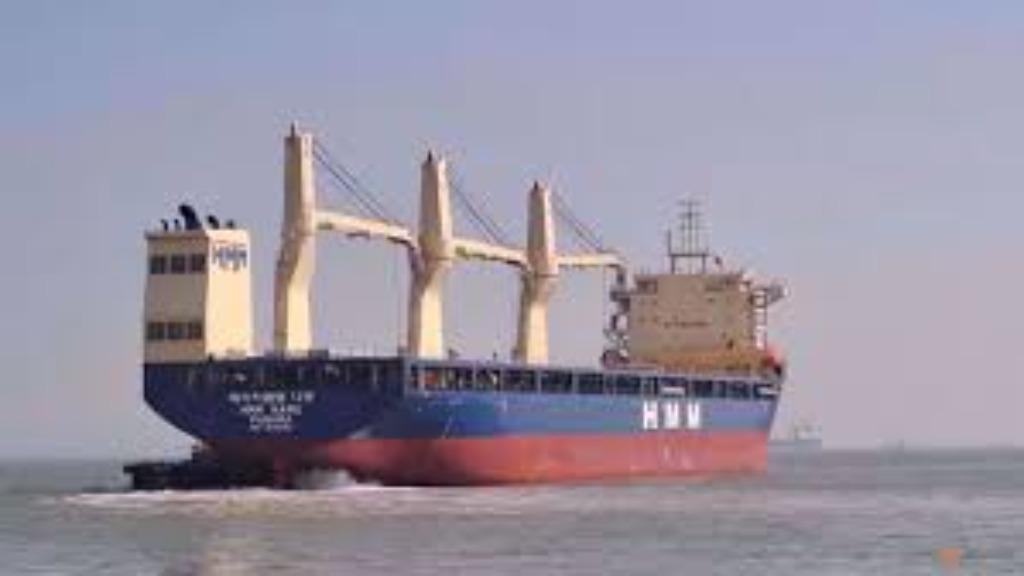
- Iran denies involvement in explosion of a South Korean vessel in the Strait of Hormuz.
Strikes in Hormuz
U.S. and Iranian forces exchanged strikes on land and at sea Thursday as President Donald Trump pursued a comprehensive deal to end the war, with U.S. Central Command saying it was responding to Iranian forces attacking Navy ships in the Strait of Hormuz.
CENTCOM said it had eliminated threats to three Navy destroyers—USS Truxtun, USS Rafael Peralta and USS Mason—while Iran said the U.S. strikes amounted to a violation of the ceasefire and targeted an Iranian oil tanker traveling through the strait.

Politico reported that CENTCOM said neither of the three destroyers were struck in the Iranian attack, while Al Jazeera said Iran’s Khatam al-Anbiya Central Headquarters claimed the Iranian military retaliated after U.S. forces targeted an oil tanker in Iran’s territorial waters.
The immediate context was a fragile truce, with Politico describing the episode as a flareup than an end to a tenuous ceasefire, and Al Jazeera saying the escalation “puts further strain on the fragile truce between Washington and Tehran.”
Competing claims
Iran’s Khatam al-Anbiya Central Headquarters said, “The American aggressor, terrorist and bandit army, violating the ceasefire, targeted an Iranian oil tanker,” and it claimed the Iranian response caused “significant damage” to U.S. ships.
CENTCOM countered that it “intercepted unprovoked Iranian attacks” and responded with “self-defence strikes,” adding “No US assets were struck.”
Al Jazeera also reported that Iran’s Islamic Revolutionary Guard Corps (IRGC) Navy said Iranian forces used “various types of ballistic and antiship cruise missiles and destructive drones with high-explosive warheads,” while Military.com said Iranian claims were circulated by IRIB News citing an unnamed military official alleging U.S. units “came under Iranian missile fire” and were forced to flee.
In parallel, Military.com said CENTCOM later confirmed U.S. warships came under attack during the transit operation but that American forces intercepted inbound threats and carried out self-defense strikes against Iranian missile and drone launch sites, command-and-control locations and intelligence, surveillance and reconnaissance nodes tied to the assault.
Energy and shipping stakes
The confrontation unfolded as Washington awaited Iran’s response to a reported U.S. peace proposal aimed at easing weeks of military escalation, maritime threats and shipping disruptions near one of the world’s most critical oil chokepoints.
Military.com warned that “Any confirmed clash involving U.S. and Iranian forces in the Strait of Hormuz could immediately raise fears of wider regional conflict and renewed threats to global energy markets and commercial shipping,” while Al Jazeera said the clashes represent the first military Iranian response to the U.S. blockade of the country’s ports.
The U.S. blockade enforcement was already affecting maritime movement, with Politico noting that the U.S. would no longer escort commercial ships through the strait after Trump announced the change, and Military.com describing commercial vessels facing growing delays and security concerns as insurers, shipping operators and military planners monitored the risk.
Al Jazeera added that over the past weeks the U.S. military has seized several Iranian vessels and ordered dozens more to turn around, and it said the naval siege has been the spearhead of Trump’s pressure campaign against Iran since the ceasefire came into effect last month.
More on Iran

Trump Threatens Tehran as JD Vance Meets Mohammad Bagher Qalibaf in Switzerland Talks
18 sources compared

JD Vance Holds US-Iran Talks in Switzerland as Trump Threatens Strikes Over Hormuz
12 sources compared

Iran’s Qalibaf Urges US To Be Cautious After Trump Threats
10 sources compared
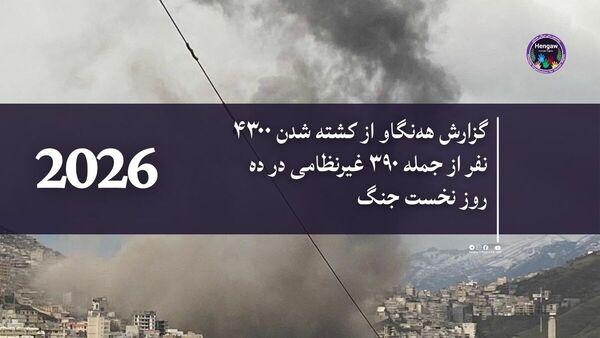
U.S. and Israel Attack Iran, Killing 1,394 Civilians, Human Rights Groups Say
15 sources compared