
Iran Says It Will Not Give Up Strait of Hormuz Control as US Fires on Tankers
Key Takeaways
- Strait of Hormuz clashes continue as US and Iran exchange fire.
- US awaits Iran’s response to interim ceasefire proposals.
- The ceasefire remains fragile amid ongoing attacks and counterattacks.
Hormuz ceasefire tensions
Iran said it would not give up control of the Strait of Hormuz as military clashes continued, while its IRGC told residents in Qom to expect explosion sounds on Saturday afternoon due to a planned operation to destroy munitions from the recent war.
“Iran has said it is reviewing a United States peace proposal that seeks to end the war, even as the two sides exchanged fire in the Strait of Hormuz on Thursday”
The IRGC’s Imam Ali ibn Abi Talib unit said a two-stage operation to destroy munitions would take place between 2:00 p.m. and 5:30 p.m., adding, “The sound of explosions is the result of a technical operation and there is no cause for concern for citizens,”.

As diplomacy moved alongside the fighting, the US said it was awaiting an Iranian response to its proposals for an interim deal to end the conflict, with Secretary of State Marco Rubio telling reporters, “We’re expecting a response from them today at some point … I hope it’s a serious offer, I really do …”.
The Guardian described the latest flare-ups in and around Hormuz as following Donald Trump’s announcement and rapid pause of a new naval mission aimed at opening the strategic waterway, and said US forces fired on and disabled two Iranian-flagged tankers attempting to violate the American blockade of Iran’s ports.
In parallel, NPR reported that US forces fired on and disabled two Iranian oil tankers on Friday after exchanging fire with Iranian forces in the Strait of Hormuz overnight, and said the UAE reported another Iranian missile and drone attack.
Accusations and negotiation pressure
Iran’s foreign minister Abbas Araghchi accused the US of breaching the ceasefire, posting on X, “Every time a diplomatic solution is on the table, the U.S. opts for a reckless military adventure.”
The Guardian also said Araghchi boasted that Iran’s ballistic missile stocks and launcher capacity had been repaired, restocked, and expanded during the pause in hostilities, while it described control of the strait and the threat to restart attacks on nearby countries’ oil and other infrastructure as Iran’s two main cards in negotiations.
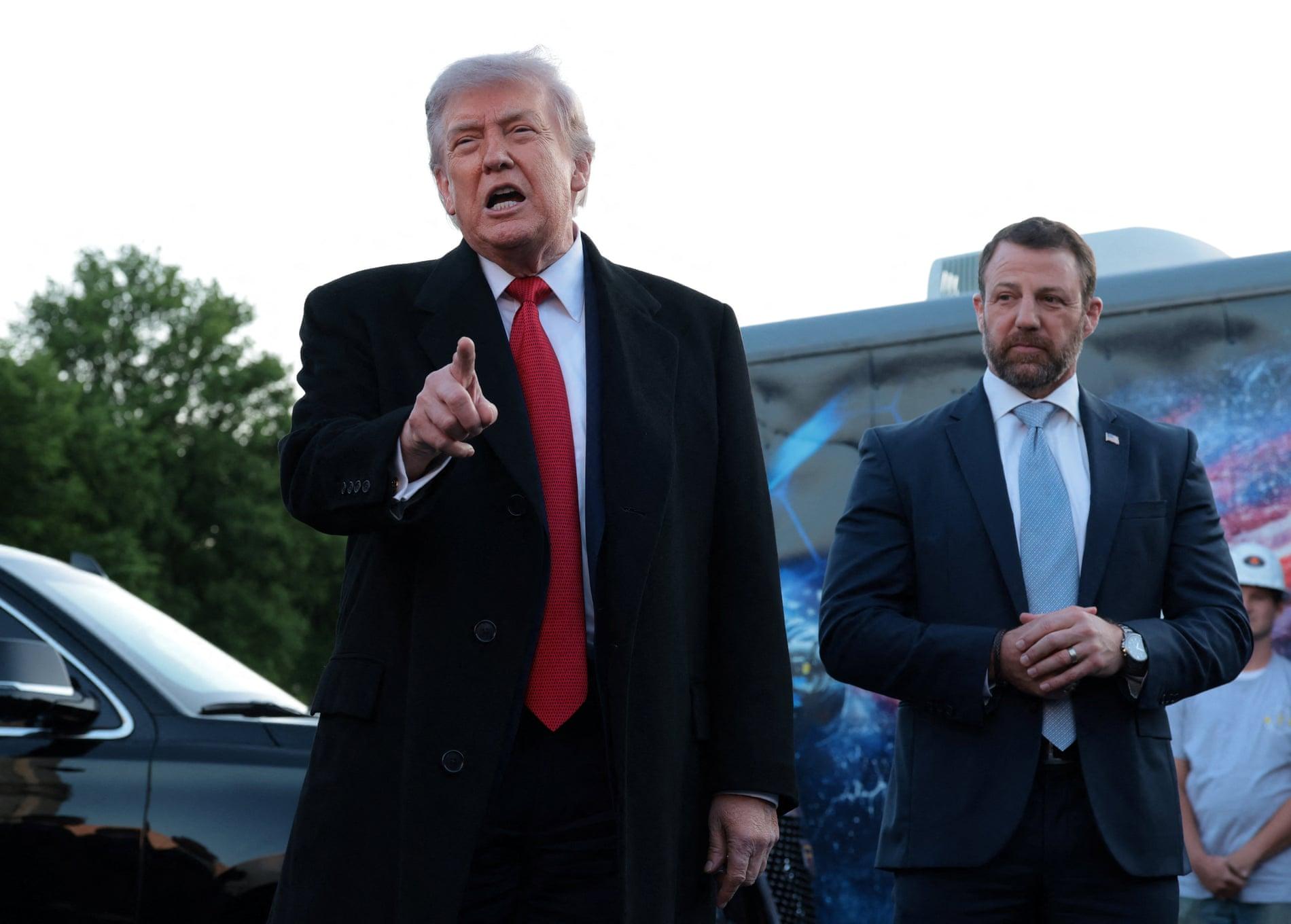
In Washington, Trump said he expected a response from Tehran soon, telling reporters, “I’m getting a letter supposedly tonight,” and the same line was echoed in other coverage as the US waited for the reply to its latest proposal.
NPR reported that Rubio told reporters Friday, “They threaten Americans, they are going to be blown up,” after the US said it thwarted attacks on three Navy ships and struck Iranian military facilities in the strait.
The diplomatic track continued even as violence persisted, with Al Jazeera reporting that Iran said it was reviewing a US peace proposal even as the two sides exchanged fire in the Strait of Hormuz on Thursday, and quoting an Iranian Foreign Ministry spokesperson saying, “There were reports that the response to the proposal was expected to be sent to Pakistani mediators yesterday.”
What’s at stake next
The US proposal described in Al Jazeera’s explainer would require Iran to agree not to develop a nuclear weapon and halt all enrichment of uranium for at least 12 years, and it would also require Iran to hand over an estimated 440kg (970lb) stock of uranium enriched to 60 percent.
In return, Al Jazeera said the US would gradually lift sanctions and release billions of dollars in frozen Iranian assets and withdraw its naval blockade of Iranian ports, while both sides would reopen the critical waterway within 30 days of signing.
Al Jazeera also said Iran’s lawmaker Ebrahim Rezaei described the text as “more of an American wish-list than a reality,” and said Parliament Speaker Mohammad Bagher Ghalibaf mocked US reports of closeness to a deal by writing in English, “Operation Trust Me Bro failed”.
Meanwhile, the Guardian framed the negotiations around the strait’s strategic leverage and the US blockade, and said the US proposal is believed to offer a formal ceasefire for at least 60 days that would lead to talks to resolve contentious issues such as Iran’s nuclear programme.
With the ceasefire under strain, NPR reported that the attacks cast more doubt on a tenuous month-old ceasefire that the United States has insisted is still in effect, while it said Washington was awaiting an Iranian response to its latest proposal to end the war, reopen the strait, and roll back Tehran’s disputed nuclear program.
More on Iran

US Intelligence Says Mojtaba Khamenei Shapes Iran’s War Strategy and Negotiations With Washington
16 sources compared
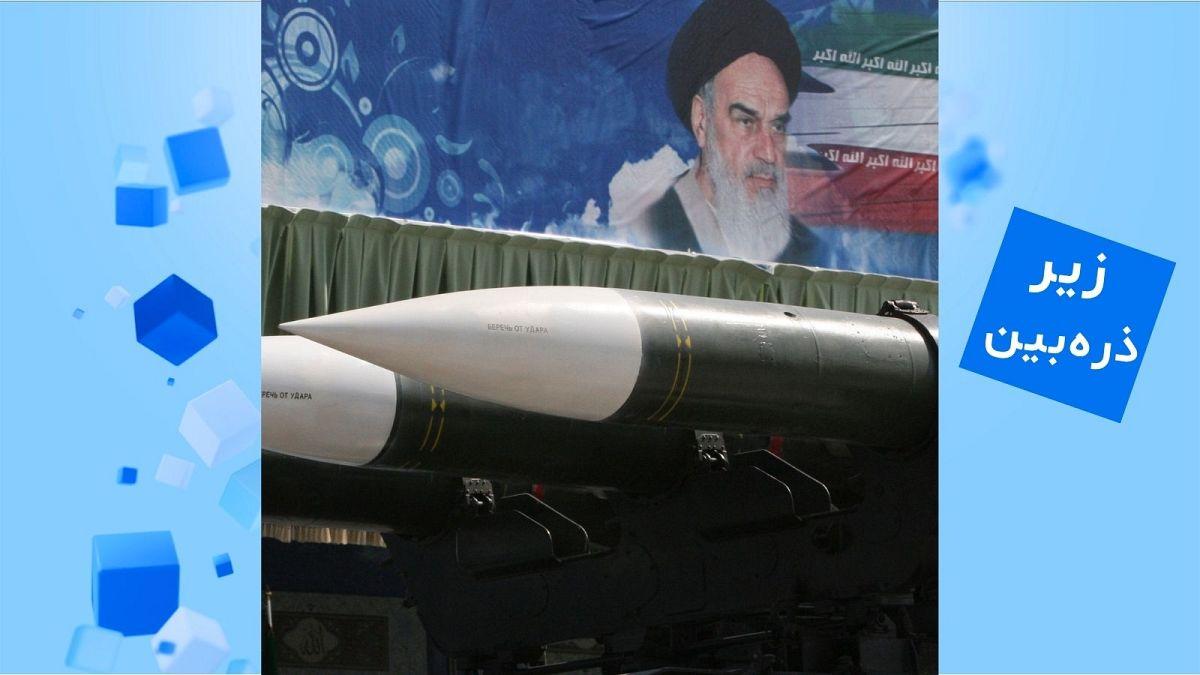
Joe Kent Says U.S. Intelligence Agreed Iran Was Not Developing Nuclear Weapons
12 sources compared
Marco Rubio Imposes Sanctions on Chinese Entities Accused of Supplying Iran Satellite Imagery
14 sources compared

Reuters And Associated Press Say Suspected Oil Spill Expands Near Iran’s Kharg Island
14 sources compared