Iran15 February, 20262 min read
Iran Says It's Open To Compromise On Nuclear Deal If U.S. Lifts Sanctions
This article is an automated aggregation of coverage from news outlets. Our editorials offer in-depth analysis curated by the NewsCord team.
Iran open to compromise if U.S. discusses lifting sanctions Abbas Araghchi flew to Geneva for second round, Oman-mediated indirect talks

7 outlets told this the same way.
Outlets did split on Iran Reviews US Negotiation Proposals As Pakistan And Qatar Mediate Strait Of Hormuz Dispute →
Iran nuclear talks stance
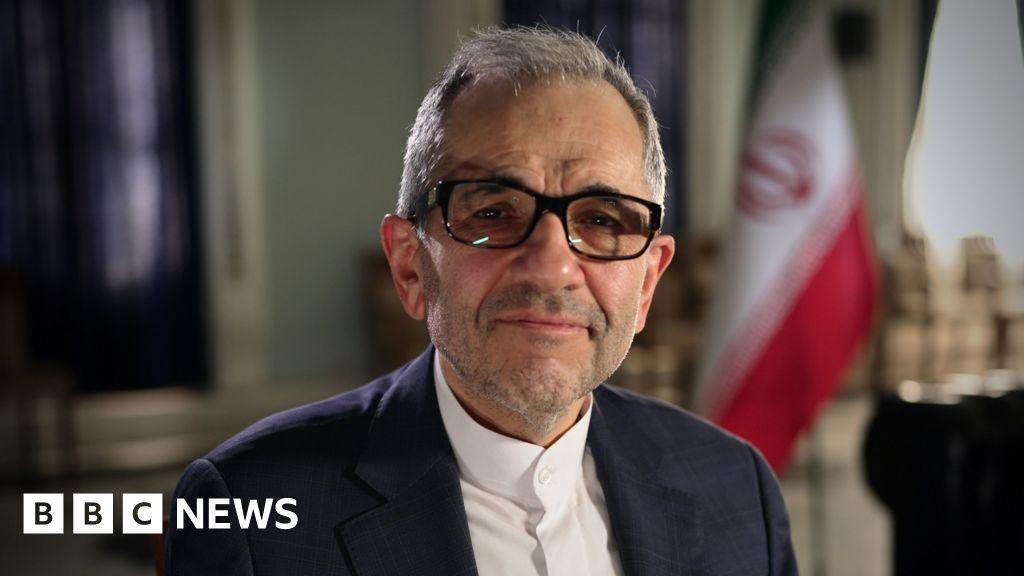
Iran says it is prepared to make concrete concessions to revive the 2015 nuclear deal, but only if the United States seriously negotiates lifting sanctions. Tehran's deputy foreign minister told the BBC that 'the ball is in America's court'.
“Iran has offered to dilute its 60%‑enriched uranium as a sign of compromise and says it is willing to discuss enrichment in exchange for talks on sanctions, but rejects any demand for ‘zero enrichment.’”
Iranian officials have signalled flexibility, including an offer to dilute uranium enriched to 60% and not ruling out shipping out highly enriched material, while insisting talks be confined to the nuclear issue and rejecting 'zero enrichment'. The offer is framed as conditional: Iran links enrichment discussions to sanctions relief and demands serious, consistent U.S. engagement before returning to a full pact.
Iran's concessions and red lines
Tehran has outlined specific technical concessions but also set firm red lines. Officials have offered to dilute uranium enriched to 60% and have not ruled out sending highly enriched stocks abroad. Russia has been reported as offering to take some of those stocks.
Yet Iran explicitly rejects demands for "zero enrichment" and refuses to discuss curbs on its ballistic missile programme or support for regional groups. Iranian spokespeople present these moves as reciprocal: enrichment adjustments in exchange for sanctions relief, while defensive capabilities and regional policies remain off the table.
Iran nuclear talks
The talks are proceeding indirectly and in stages, with initial meetings held in Oman. A second round is expected in Geneva with Swiss and Omani counterparts and the IAEA director general possibly involved.
“Diplomatic efforts collapsed in 2025 after an Israel-Iran war and subsequent U.S. strikes on Iranian nuclear sites.”
Iranian officials present the negotiations as technical and confined to the nuclear file. Observers and governments are sending mixed signals, and some external actors — notably Israel’s prime minister — advocate for a wider package addressing missiles and proxy support.
Diplomatic tensions and rhetoric
Security tensions and public rhetoric complicate diplomacy. U.S. officials are described as sending mixed signals, with many saying they seek diplomacy and dispatching envoys. President Trump has publicly threatened force and reinforced naval assets in the region.
Iran has accused Israel of disrupting previous talks and condemned U.S. public appeals to Iranian protesters as incitement. Iran warned it would retaliate to strikes on its sites and imposed restrictions on international media reporting from Tehran.

Diplomacy and deal prospects
Outlooks remain uncertain. Iran and some regional leaders push for diplomacy, but observers quoted by mainstream outlets express scepticism that a revived comprehensive deal is likely because of distrust, mixed signals, and the constraining red lines on missiles and regional activity.
“U.S. officials say Iran is delaying progress; Secretary of State Marco Rubio said Feb. 14 that President Trump would prefer a deal but warned it would be ‘very hard’ to reach one.”
Tehran insists on sanctions relief as the price for substantive concessions. Different sources point to Washington’s internal divisions, public threats and the memory of the 2025 collapse of talks after conflict as reasons to doubt progress or to press harder for guarantees.
