Full story
Hormuz corridor talks
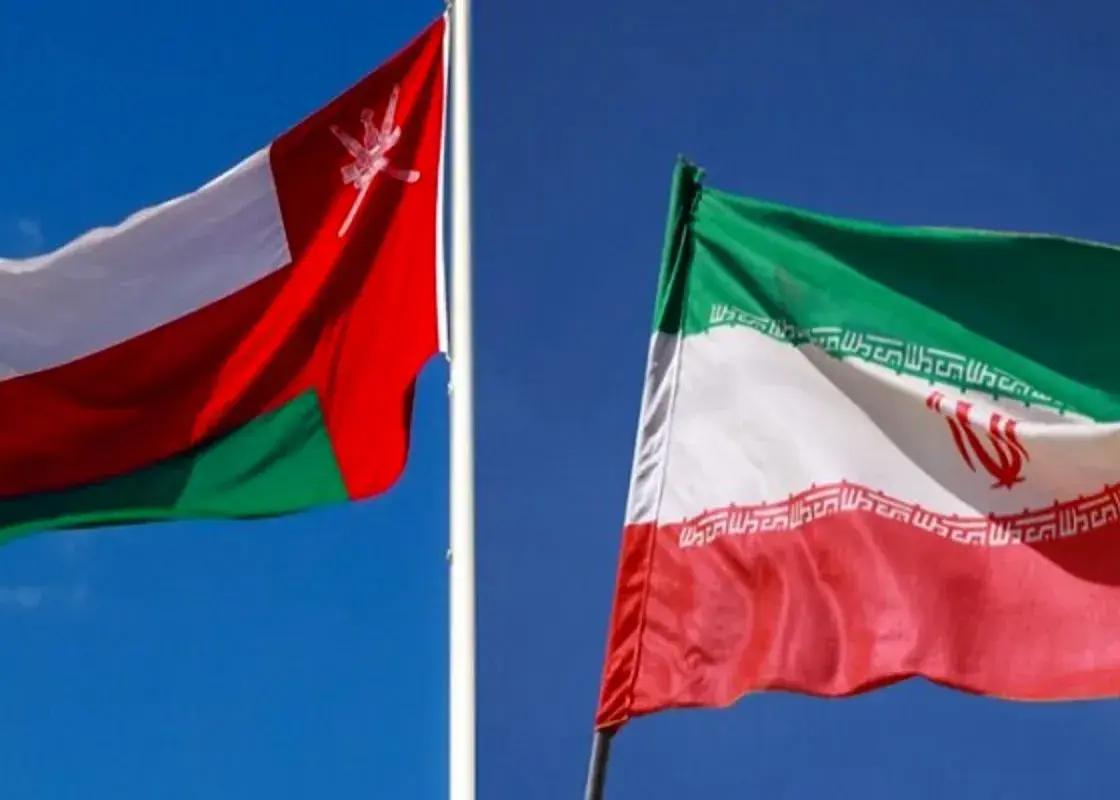
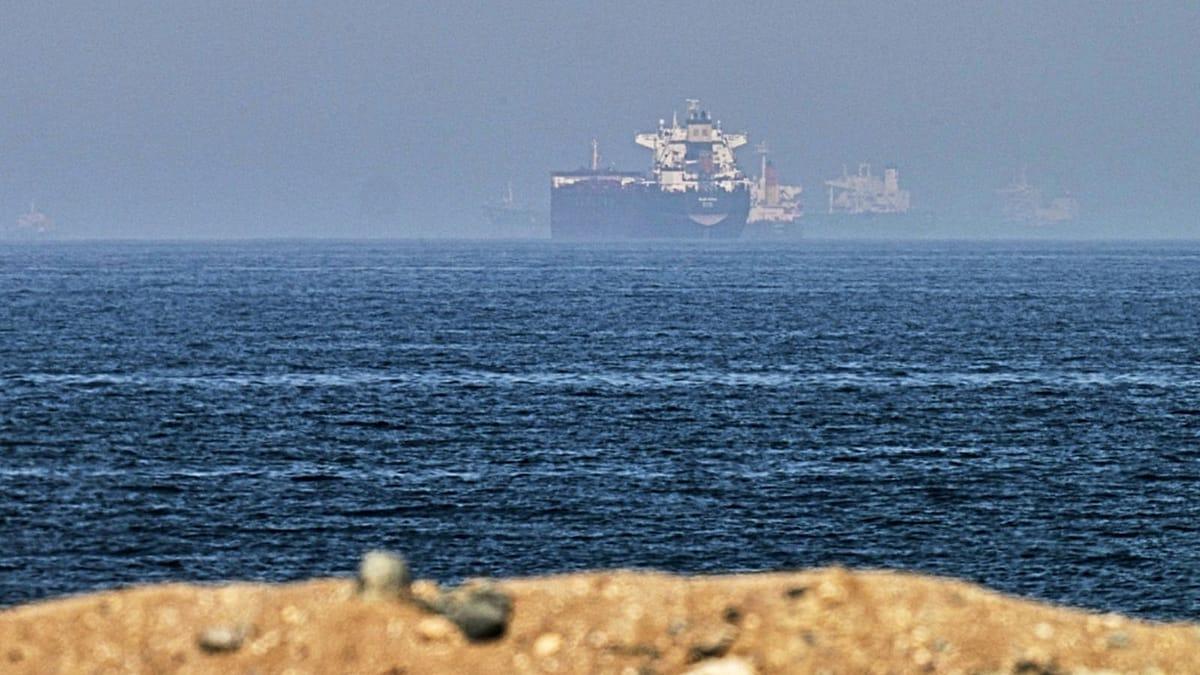
Iran said it and Oman are in the final stages of drafting a joint statement on a proposed navigation corridor through the Strait of Hormuz, while insisting any reopening depends on changes in US actions against Tehran.
“from technical, legal, security and environmental perspectives”
Foreign Ministry spokesperson Esmail Baqaei said the two sides had spent the past two months negotiating a safe commercial shipping route through the strait and that the competent authorities had reviewed the proposal “from technical, legal, security and environmental perspectives.”
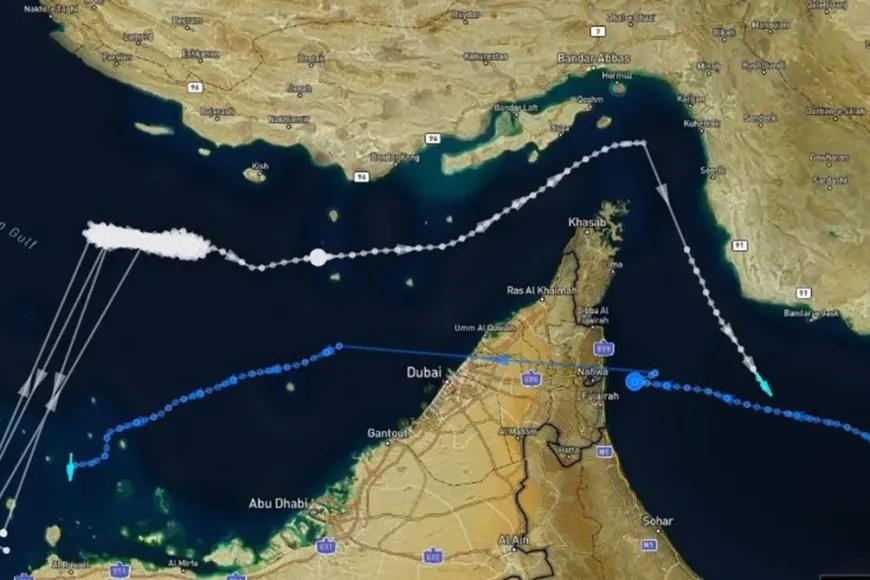
Baghaei described the talks as “professional” and “productive,” saying Iran and Muscat agreed on the geographic coordinates of the proposed route and that the joint statement is in its final stages of review and drafting if no external party obstructs the process.
The Guardian reported Baghaei said the understanding reached covered “the geographical parameters of the route under discussion,” and that any Iran-Oman agreement would not, by itself, guarantee security in the strategic waterway.
US claims vs Iranian denials
As Iran and Oman moved toward a joint announcement, President Donald Trump told Fox News that “The Strait is going to be open very soon, or they are going to get hit very hard,” framing the timing as imminent.
Iran’s foreign ministry spokesperson Esmail Baghaei, however, said Tehran was not conducting negotiations with the US and that its discussions were only with Oman focused on establishing a route for safe navigation through the Strait of Hormuz.
The Independent described the dispute as opposing claims about whether talks were resuming, with Trump saying “Whether Iran wants to admit it or not, we are, in fact, talking,” while Baghaei wrote that the US account was contradicted by Iran’s position that it was “only dealing with ‘Oman’.”
The Jerusalem Post added that shipping traffic at the key Gulf waterways held largely unchanged as progress of talks between the United States and Iran remained ambiguous, with Kpler data showing six vessels transiting the Strait of Hormuz on Monday, down from seven the previous day.
Tolls, security, and shipping
Even as negotiations advanced, the global shipping industry urged the United Nations and the International Maritime Organization to oppose any attempt to impose compulsory tolls or transit fees in the Strait of Hormuz, warning it would undermine international law and disrupt global trade.
“Introducing compulsory charges for transit, or service fees that are a toll in all but name”
In a joint open letter to UN Secretary-General António Guterres and IMO Secretary-General Arsenio Dominguez, eight shipping organizations wrote that “Introducing compulsory charges for transit, or service fees that are a toll in all but name, through the Strait of Hormuz would represent a significant departure from established international practice.”
The Journal of Commerce reported a separate logistics signal through its Truckload Capacity Index, noting the index dropped slightly in the second quarter after a first-quarter surge linked to an acquisition, while expecting momentum from air and ocean demand to continue through the second half of the year.
Meanwhile, the PBS/AP report said under the emerging agreement ships would enter the Persian Gulf through an Iranian-controlled route and exit through a route controlled by Oman, with service fees charged for providing security and preserving the maritime environment, while negotiations were still underway and any deal could be linked to lifting the US blockade on Iran’s ports.