Iran04 April, 20267 min read
Iran Says Qalibaf Reports Progress With U.S. Talks, Demands Still Far Apart
Iran's lead negotiator Qalibaf says progress; final agreement far away. Negotiations in Islamabad, Pakistan, with Iran's delegation arriving for talks.
ynetnews was read line by line by the Watchdog: 3.7. See the score →
Talks, Tension, and Numbers
Iran’s nuclear negotiations with the United States and the wider regional war remained tense as Iranian officials described “progress” while insisting that key demands were still far apart. El País reported that Iran’s lead negotiator, Qalibaf, said on state television in the early hours of Sunday that there had been “progress in negotiations with Washington,” but “there is still much to be done,” and it cited President Masud Pezeshkian’s insistence that Donald Trump “has no reason to deprive Iran of its nuclear rights.” The same El País report said the Foundation of Martyrs and Veterans Affairs of Iran put the conflict’s death toll at “around 3,500,” and it quoted Ahmad Mousavi saying “in the Foundation’s system 3,468 people are currently registered as dead as a result of the war with the United States and Israel.”
In parallel, the negotiations were tied to the Strait of Hormuz, where El País said Iran “again announced its closure to all civilian vessels,” and it described Tehran’s condition that it would only lift the closure when “the United States abandons its blockade of Iranian ports.” Shafaq News said Pezeshkian reaffirmed that Tehran does not seek to expand regional conflicts while maintaining Iran’s “legitimate right to self-defense if attacked.” The stakes were also reflected in the military language El País quoted from Iran’s army warning that “the readiness of combat forces” and “operational coordination with the Israeli regime” indicate the United States “could intend to start a military conflict before the two-week ceasefire ends.”

Uranium Dispute and Red Lines
A central sticking point in the talks was uranium enrichment and whether Iran would transfer enriched uranium to the United States.
PBS, via an Associated Press interview, quoted Iranian Deputy Foreign Minister Saeed Khatibzadeh rejecting U.S. claims and saying, “I can tell you that no enriched material is going to be shipped to United States,” adding, “This is non-starter and I can assure you that while we are ready to address any concerns that we do have, we're not going to accept things that are nonstarters.”

El País also reported Pezeshkian’s challenge to Trump, saying Trump “has no reason to deprive Iran of its nuclear rights,” and it described Pezeshkian questioning Trump, asking “who he is to deprive a nation of its rights” and noting Trump “has not explained a crime justifying such an action.”
Shafaq News framed the issue as pressure on Iran’s nuclear ambitions while insisting on peaceful intent, and it said Pezeshkian pushed back against Trump’s remarks by arguing that “no leader has the authority to strip a nation of its rights or limit its ability to benefit from civilian nuclear energy.”
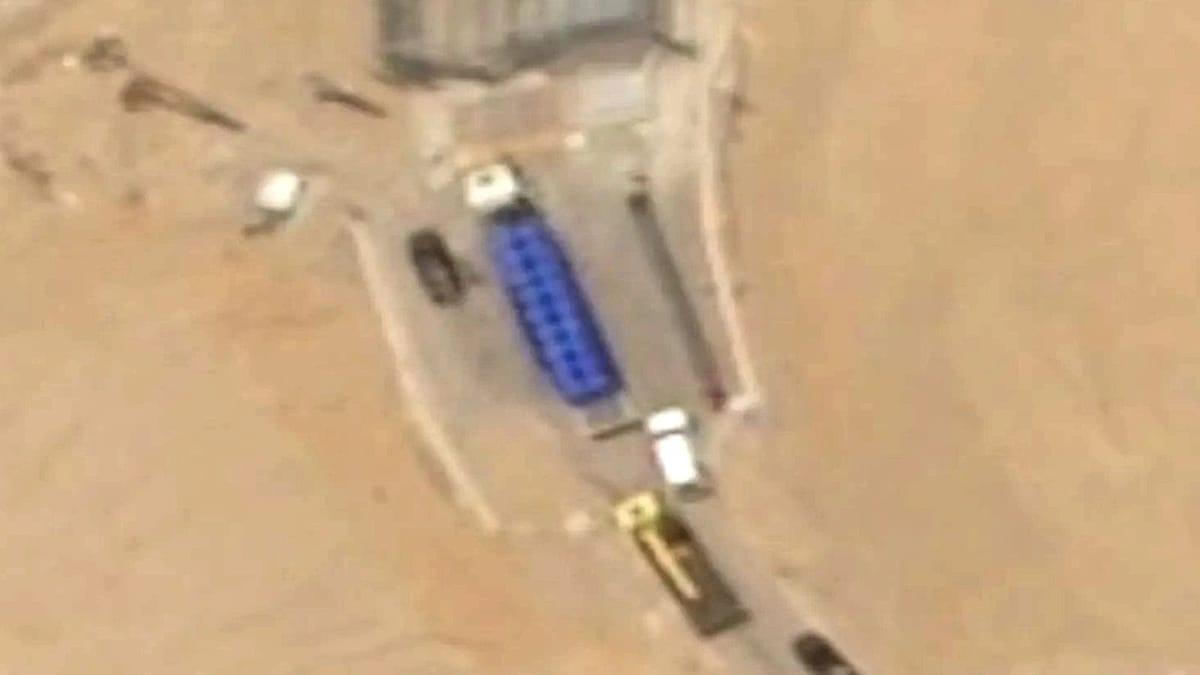
In parallel, ynetnews focused on the technical and diplomatic dispute over uranium enrichment, reporting that Trump addressed reports that Iran had buried enriched uranium underground and said, “We’re going to get it together. We’ll go in with Iran, at a slow pace, go down and start digging with heavy equipment. We’ll bring it back to the United States.”
Iranian officials denied the premise: عرabi21 quoted Ismail Baqai saying “the transfer of Iran's enriched uranium to America is not an option,” calling it “a sensitive sovereign value,” and it added that “Tehran regards its nuclear file as part of its national sovereignty, and any proposal related to transferring enriched materials abroad is rejected outright.”
Cash-for-Uranium Framework
Beyond enrichment, multiple outlets described a proposed cash-for-uranium structure linking frozen Iranian funds to limits on Iran’s nuclear stockpile. Axios reported that the U.S. and Iran were negotiating over a “three-page plan to end the war,” and it said one element under discussion was that the U.S. would release “$20 billion in frozen Iranian funds” in return for Iran giving up its stockpile of enriched uranium, citing “two U.S. officials and two additional sources briefed on the talks.” Axios also said the talks were expected to take place in Islamabad, “likely on Sunday,” and it described Pakistan as mediating the negotiations with “behind-the-scenes support from Egypt and Turkey.”
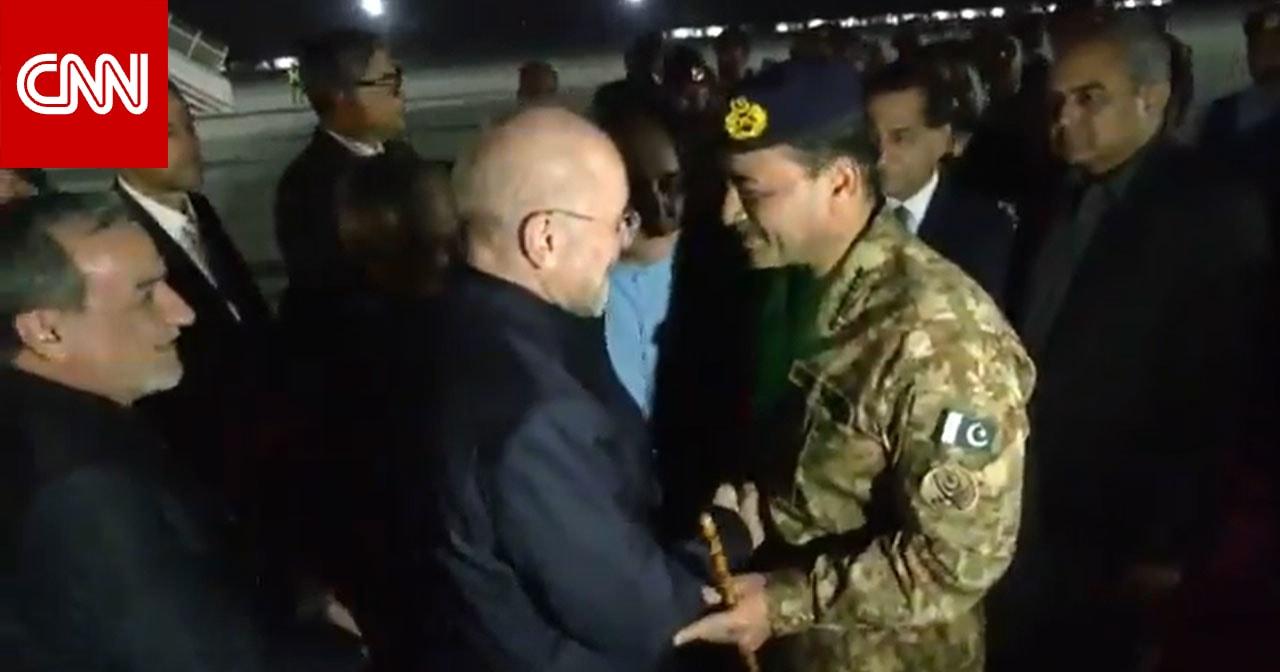
In the same Axios account, it said Trump wrote on Truth Social after the story published that “no money will change hands,” and it added that the U.S. asked Iran to agree to ship all its nuclear material to the U.S., while Iran only agreed to “down-blend” it inside Iran. Shafaq News similarly described a proposal under consideration involving releasing “up to $20 billion in frozen Iranian funds” in exchange for Iran giving up its enriched uranium stockpile and accepting a halt on enrichment activities, and it said Trump maintained that Iran would not regain access to frozen assets under the current terms. CNN Arabic added a logistical layer, saying Pakistan’s Foreign Ministry posted a video of the Iranian delegation’s arrival in Islamabad and that Tasnim News Agency said the delegation consisted of “71 people,” including negotiators, experts, media representatives, and security personnel, with Mohammad Bagher Ghalibaf chairing the delegation and Foreign Minister Abbas Araghchi among those present.
Mediation, Meetings, and Timing
The negotiation timeline and the role of Pakistan were emphasized across reports describing where talks would occur and who would attend. Anadolu Ajansı reported that a new round of nuclear talks between the U.S. and Iran was set to take place in the Pakistani capital, saying Iranian sources familiar with negotiations expected negotiators from both sides to arrive in Islamabad on Sunday, and it said “Neither the US nor the Iranian governments issued a statement confirming the report.” It added that a previous round of discussions held last weekend ended without an agreement despite hours of negotiations, and it said “A two-week ceasefire brokered by Pakistan is slated to expire early next week.”
Al Jazeera described Trump’s optimism on Thursday, quoting him saying “We’re very close to making a deal with Iran,” and it said he told reporters “a deal could come “over the weekend,” while also saying he might travel to Islamabad if the deal was signed there. Al Jazeera also quoted Iran’s Ministry of Foreign Affairs spokesperson Esmaeil Baghaei saying messages were being exchanged through Pakistan but that Iran’s position on enrichment remained unchanged, and it reported that Pakistan’s diplomatic role was acknowledged by both sides, including White House spokesperson Karoline Leavitt saying, “The Pakistanis have been incredible mediators throughout this process.” Radio Free Europe/RL reported that Iran’s powerful parliament speaker and lead negotiator Mohammad Baqer Qalibaf said in a televised address that “we have had progress” in talks with Washington but that there is “still a big difference between us,” and it said he did not state a date for the next round.
Consequences and Competing Narratives
As negotiations continued, outlets described consequences that ranged from war-ending frameworks to domestic legal and human-rights pressures inside Iran. NPR reported that despite stalled talks and a fragile ceasefire nearing its end, President Trump expressed optimism that “a permanent deal is within reach,” and it said the deal “may include Iran relinquishing its enriched uranium,” while Wendy Sherman warned, “You cannot do a negotiation with Iran in one day,” and Rob Malley said, “Trump is impulsive and temperamental; Iran's leadership [is] stubborn and tenacious.” NPR also recounted that the 2015 JCPOA talks took “a good 18 months,” and it quoted Jon Finer saying Secretary of State John Kerry’s patience “was a huge asset,” while Finer described Iranian tactics as “to say no to everything and see what actually matters.”
Radio Free Europe/RL shifted to Iran’s internal posture, reporting that Iran’s judiciary head Gholamhossein Mohseni Ejei ordered courts to handle detainees’ cases “outside the normal process” and with greater speed, and it quoted Ejei urging officials to adopt a “wartime posture.” The same RFE/RL report said state-funded figures put deaths at “more than 3,400,” and it cited the semiofficial ISNA news agency quoting Ahmad Musavi as saying “3,468 ‘martyrs’ had died,” while it also noted that HRANA estimated “at least 3,636 deaths, including 1,701 civilians.” RFE/RL also reported that Narges Mohammadi’s brother said her life was “in serious danger” after a heart attack in prison, and it quoted Hamid Reza Mohammadi saying she was being denied medical care and suffering from “vision problems, nausea, blood-pressure issues, and chest pain.”