Iran Says Talks With United States Continue Through Pakistan Mediation in Islamabad
Key Takeaways
- Iran and the United States continue talks in Islamabad, with Pakistan mediating.
- Iran has proposed a peace framework; the United States reportedly rejected it as unacceptable.
- Trilateral talks emphasize Pakistan's mediation; regional actors pursue de-escalation alongside negotiations.
Islamabad mediation talks
Iran said talks with the United States continued through Pakistani mediation, with Anadolu Ajansı reporting that the exchange of messages was ongoing and that Pakistan was acting as mediator.
Al Jazeera reported that negotiations in Islamabad aimed at ending the war, with Pakistan acting as mediator, and it described face-to-face talks between J. D. Vance and Iranian Parliament Speaker Mohammad Bagher Ghalibaf alongside Foreign Minister Abbas Araghchi.

Reuters, as cited by Al Jazeera, said the trilateral talks were held face-to-face between J. D. Vance, Steve Weitkoff and Jared Kushner on the American side and Asim Munir on the Pakistani side.
Al Jazeera also said an Iranian television correspondent reported that the United States had agreed to release frozen Iranian funds, while ISNA quoted Iran’s Supreme Council on Information secretary saying the Islamabad talks were held after verification of a halt to Israeli attacks on Beirut.
Trump praises Pakistan
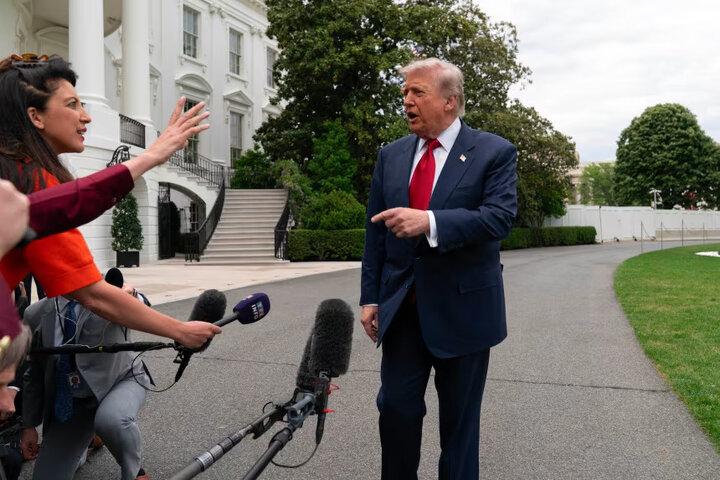
Masrawy reported that Trump praised Pakistan’s mediation in negotiations with Iran and rejected the idea of replacing Islamabad with another mediator, telling reporters: 'No, they’re excellent. Pakistanis are doing a great job.'
Masrawy said those remarks referred to Pakistan’s Army Chief Asim Munir and Prime Minister Shehbaz Sharif, who had been performing mediation duties in negotiations in Islamabad between American and Iranian delegations.

The same Masrawy account said the Islamabad round of talks held on April 11 did not yield any tangible results, and it added that the two sides had not been able to agree on holding a new round yet.
CNN Arabic reported that a Pakistani source told CNN that Pakistan had been heavily involved in mediating to facilitate the talks, describing 'feverish diplomacy' during the negotiations between the United States and Iran on Saturday.
Stakes: strait and war
Al Jazeera said discussions on reopening the Strait of Hormuz remained a major point of disagreement, with Iran insisting on retaining control of the strait and imposing transit fees on ships, while Tasnim said American demands hindered progress toward a joint negotiating framework.
El Mundo reported that Iran’s Revolutionary Guard warned on Wednesday that the war 'will extend beyond the region' if the United States resumes hostilities, after Trump’s threats to strike again if no agreement is reached.
El Mundo also quoted the Revolutionary Guard statement carried by Tasnim News Agency, saying: 'If an aggression against Iran is repeated, the regional war that had been promised this time will extend beyond the region.'
El Mundo further reported that the Israeli army declared it was at 'maximum alert' after new exchanges of threats between the United States and Iran, citing AFP and quoting Lieutenant General Eyal Zamir saying, 'Currently, the Army is at maximum alert and prepared for any contingency,' according to a military statement.
More on Iran
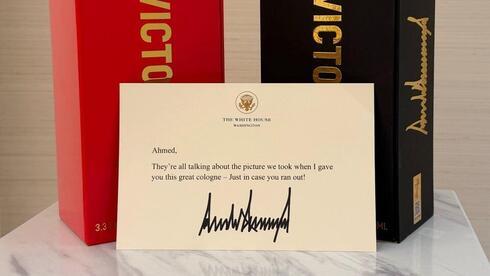
Trump Sends Ahmed Al-Sharaa Two Bottles of Self-Branded Cologne After White House Meeting
13 sources compared

Iran’s IRGC Navy Coordinates 26 Commercial Vessels Transit Strait of Hormuz in 24 Hours
11 sources compared

US and Israel Planned to Install Mahmoud Ahmadinejad as Iran’s Leader After Ali Khamenei’s Killing
45 sources compared

Trump Says Iran Talks Are in Final Stages as U.S. Naval Blockade Continues
22 sources compared