
Trump Says Iran Talks Are in Final Stages as U.S. Naval Blockade Continues
Key Takeaways
- Trump says Iran talks are in final stages and attack postponed.
- Gulf states and regional allies urged restraint, influencing delay of possible strikes.
- Iran warned it could expand conflict beyond the region if attacks resume.
Final-stage talks, fresh threats
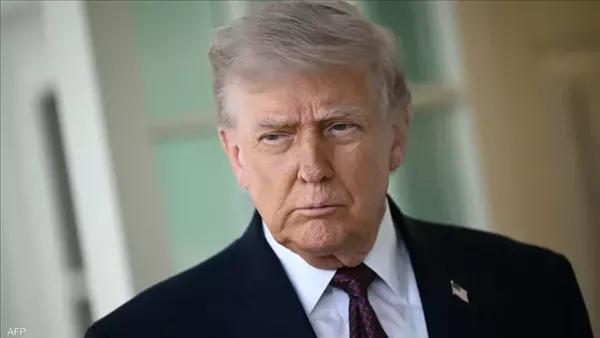
U.S. President Donald Trump said Wednesday that negotiations with Iran were in the “final stages of Iran,” while warning that “Either have a deal or we’re going to do some things that are a little bit nasty,” as the war has largely stalled after Trump paused “Operation Epic Fury” in favor of a ceasefire.
Iran’s Islamic Revolutionary Guard Corps leader Ahmad Vahidi wrote on social media that if “any further aggression is committed against the soil of Iran,” the response “will erupt into flames and transcend every border and domain,” framing any renewed U.S. attack as escalation beyond the region.
Tehran’s Parliament Speaker Mohammad Baqer Qalibaf, described as Iran’s top negotiator at peace talks, said in an audio message that “obvious and hidden moves by the enemy” showed Americans were preparing new attacks.
In parallel, U.S. Central Command confirmed that “90 vessels have now been redirected” and “four vessels have been disabled” since the start of the naval blockade against Iran, while Iran’s Revolutionary Guards navy said 26 vessels transited the Strait of Hormuz in the past 24 hours in coordination with Iran.
The standoff also fed into U.S. domestic politics, with the House expected to vote Wednesday on its version of a war powers resolution directing Trump to withdraw U.S. forces deployed against Iran, and the Senate measure having passed on Tuesday after a Republican defection in a 50 to 47 procedural vote.
Netanyahu, Qalibaf, and competing frames
Trump told reporters that Prime Minister Benjamin Netanyahu will “do whatever I want” on a potential military strike on Iran, after the pair reportedly held a tense call on the subject, and Trump said Netanyahu “will do whatever I want him to do.”
In the same reporting, The Times of Israel described a framework reportedly drafted by Qatar and Pakistan with input from Saudi Arabia, Turkey and Egypt, under which Washington and Tehran would sign a “letter of intent” to end the war and open 30 days of negotiations on reopening the Strait of Hormuz and limiting Iran’s nuclear program.

Iran’s Parliament Speaker Mohammad Baqer Qalibaf warned in a third audio message released on Wednesday that the enemy’s “overt and covert movements show that, parallel to economic and political pressures, it has not given up its military goals and is seeking a new round of war.”
Qalibaf also urged Iran to “shatter the enemy’s miscalculations” by enhancing preparedness for “a powerful and effective response,” while PressTV said a Pakistan-brokered ceasefire has been in place since early April but a U.S. naval blockade of Iranian ports continues.
Meanwhile, CNBC reported that after the Revolutionary Guard warning, Trump told reporters he was in “no hurry” on Iran and said, “I’d like to see few people killed, as opposed to a lot,” as Vice President JD Vance described negotiations as in a “pretty good” place.
Strait of Hormuz and what’s at stake
The dispute over the Strait of Hormuz remained central as Iran’s Revolutionary Guards navy said transit was ongoing with permits obtained, while U.S. Central Command said it had redirected 90 vessels and disabled four since the naval blockade began.
The Indian Express reported that two Chinese oil tankers with nearly four million barrels of crude exited the strait, and said Lloyd’s List counted at least 54 ships passing through the strait last week, nearly double the figure from the previous week but still far below the roughly 140 daily crossings recorded before the war.
In parallel, Iran’s warnings tied any renewed attack to wider escalation, with the Revolutionary Guards saying “the promised regional war will this time be extended beyond the region,” a line CNBC said was carried in a statement reported by Mehr news agency.
U.S. officials and lawmakers continued to press for leverage through congressional action, with the Senate advancing a measure to limit Trump’s authority to continue military strikes on Iran without congressional approval in a 50 to 47 vote, and the measure reflecting “mounting concern” in Washington over the trajectory of the conflict.
As the next steps approached, Trump said he was “in no hurry” and that “If we don’t get the right answers, things will move very quickly,” while Iran’s Parliament Speaker Qalibaf said the ceasefire period had been used to rebuild readiness that would “certainly make it regret any new aggression against Iran.”
More on Iran
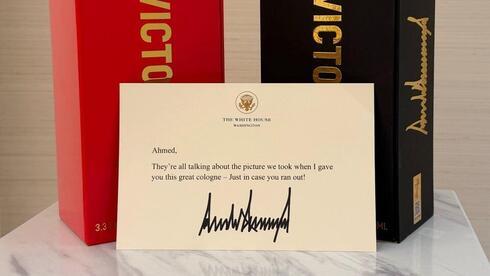
Trump Sends Ahmed Al-Sharaa Two Bottles of Self-Branded Cologne After White House Meeting
13 sources compared

Iran’s IRGC Navy Coordinates 26 Commercial Vessels Transit Strait of Hormuz in 24 Hours
11 sources compared

US and Israel Planned to Install Mahmoud Ahmadinejad as Iran’s Leader After Ali Khamenei’s Killing
45 sources compared

Trump and Netanyahu Hold Tense Call Over New Iran Deal Proposal, Axios Says
10 sources compared