Full Analysis Summary
US Iran tensions
The US State Department publicly warned, in a Persian-language post on X, that it had received reports Iran was considering options to target American bases and cautioned that all options remain on the table and any attack would be met with 'very, very strong force.'
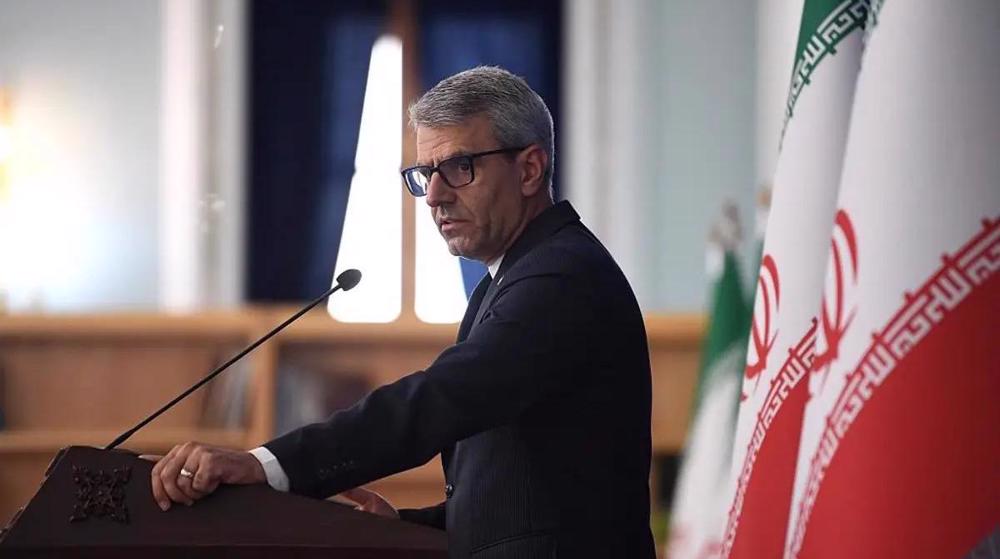
Iran's Foreign Ministry spokesman Esmaeil Baghaei rejected the allegation as part of a US policy to escalate tensions, saying Tehran is focused on strengthening defensive capabilities and would respond 'firmly and decisively' to any aggression.
Both accounts placed the exchange in the wider context of recent unrest in Iran, with officials linking the protests to what they described as foreign interference.
Reported sources were Asianet Newsable and PressTV; only these two sources were provided.
Coverage Differences
Tone/Emphasis
Asianet Newsable (Asian) frames Iran's rejection as part of a US policy aimed at escalating regional tensions and emphasizes Iran's denial and defensive posture, while PressTV (West Asian) gives more space to the US Persian-language X post wording and frames the narrative by detailing both the US warning and Iran's rebuttal and the surrounding protests—both sources report similar facts but emphasize different parts of the exchange.
Iran and US responses
Iran's official response, as reported by both outlets, emphasized defensive preparedness rather than offensive intent.
Foreign Ministry spokesman Baghaei told state media the armed forces were concentrating on improving defensive capabilities to protect Iranian sovereignty.
He warned of a firm and decisive response to any aggression and said Iran viewed the US allegation as an attempt to stoke regional tensions.
The US message, by contrast, was framed as a warning to US personnel and facilities abroad and invoked the possibility of a strong military reply to any attack.
Citations: PressTV; Asianet Newsable; only these two sources were provided.
Coverage Differences
Narrative Focus
PressTV (West Asian) gives specific wording of the US warning and quotes Baghaei on Iran's focus on defense, while Asianet Newsable (Asian) highlights the assertion that US claims are part of a policy to escalate tensions—both recount the same statements but differ in which line they foreground.
Iran unrest narratives
Both outlets place the exchange within weeks of domestic protests in Iran that began over economic issues.
Iranian authorities, cited in these reports, say the unrest escalated after encouragement from US and Israeli figures.
PressTV explicitly quoted Ayatollah Ali Khamenei blaming former US President Donald Trump and "foreign agencies" for fueling the violence.
Each source frames the connection between internal unrest and foreign statements as part of Tehran’s narrative that external actors are provoking disorder.
The only citations provided are Asianet Newsable and PressTV.
Coverage Differences
Attribution/Context
PressTV (West Asian) provides direct attribution to Iran’s Supreme Leader, quoting his blame of former US President Trump and foreign agencies for unrest, whereas Asianet Newsable (Asian) references state broadcaster Press TV’s reporting that protests "turned violent" and that Iran accused US and Israeli statements of encouraging disorder—both report Tehran’s claims but with slight differences in attributed actors and phrasing.
Ambiguous sourcing and framing
Assessment of motive and credibility is ambiguous in these accounts.
Both outlets report Iran's categorical denial and the US warning, but neither provides independent evidence confirming either side's claims.
The two outlets largely reflect official Iranian framing while also reproducing the US warning phrasing.
There is no third-party verification in the provided snippets, and the limited source set constrains broader cross-checking.
Readers should note this ambiguity and the political framing in both reports.
Citations: PressTV; Asianet Newsable; only these two sources were provided.
Coverage Differences
Missed information / Verification
Both PressTV (West Asian) and Asianet Newsable (Asian) report official statements from Washington and Tehran but neither presents independent verification; the two sources therefore reproduce official narratives without outside corroboration, a limitation we must note given the absence of additional source types in the provided material.