Iran-Israel16 November, 20252 min read
Iran Seizes Marshall Islands-Flagged Tanker in Strait of Hormuz, U.S. Accuses Violation of International Law
Iranian forces seized the Marshall Islands‑flagged tanker Talara in the Strait of Hormuz. Talara sailed from Ajman, UAE, bound for Singapore with high‑sulphur gasoil.

20 outlets told this the same way.
Outlets did split on U.S. Intercepts Iran Message Activating Sleeper Cells After U.S.-Israel Strike Kills Khamenei →
Seizure of Tanker Talara
Iranian forces seized the Marshall Islands-flagged tanker Talara while it was transiting the Strait of Hormuz from the United Arab Emirates to Singapore.
“Iran has seized the Marshall Islands‑flagged tanker Talara, managed by Columbia Shipmanagement, while it was transiting the Strait of Hormuz en route from the UAE to Singapore on Nov. 24.”
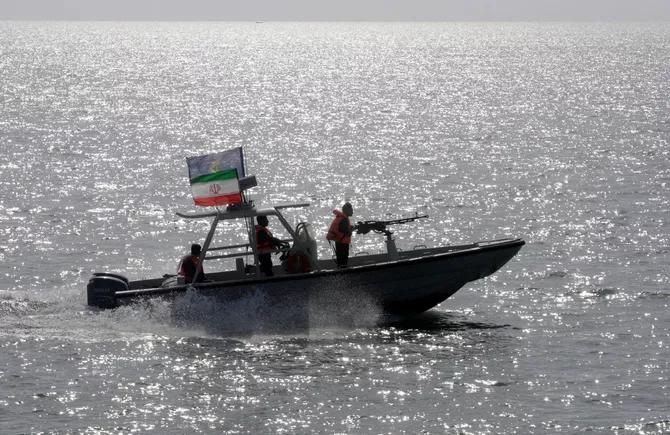
U.S. flight-tracking data and private maritime firms reported that three small boats approached the vessel and that a U.S. MQ-4C Triton drone monitored the incident as the ship was diverted into Iranian territorial waters.

Multiple outlets identify the vessel as the Talara and report that contact with the ship was lost after the boarding.
Managers and owners said the crew's safety is their primary concern.
Commercial ship boarding dispute
U.S. Central Command and other U.S. officials said the boarding violated international law and that they would press Tehran for an explanation.
Iranian state-linked reporting and the IRGC said the operation was lawful and was carried out under a judicial order to confiscate cargo.

Columbia Shipmanagement and the shipowner reported a loss of contact and said they were working with authorities to re-establish communications while prioritizing crew safety.
Tanker takeover evidence
Evidence cited in reporting includes U.S. flight-tracking and MQ-4C Triton drone footage that reportedly monitored the area for hours, and private maritime security firm Ambrey's report that three small boats approached the tanker before it was boarded and diverted.
“A U.S. Navy MQ‑4C Triton monitored an incident described by the U.K. Maritime Trade Operations center as possible ‘state activity.’ Iran has not commented.”
The U.K. Maritime Trade Operations centre described the takeover as possible 'state activity,' a phrase echoed across Western outlets and maritime risk monitors.
Seizure amid Gulf tensions
Analysts and reporters place the seizure in the context of heightened regional tensions. Outlets link the incident to the recent 12-day Iran-Israel confrontation and U.S. strikes on Iranian sites. They note a history of attacks or seizures in the area and describe this as the most significant interdiction of international shipping in months.
Several pieces point to a pattern of past incidents that Western officials have blamed on Iran, including 2019 limpet-mine attacks and the 2022 detention of Greek tankers. The episode is framed as part of broader risks to freedom of navigation in the Strait of Hormuz, a vital global energy chokepoint.
Maritime incident responses
Ship managers and owners stressed safety and coordination with authorities while maritime monitors and governments consider legal and security responses. Columbia Shipmanagement reported a loss of contact, notified authorities, and said crew safety was its priority. Private security firms and monitoring centers documented tactical details, and U.S. and allied commands demanded explanations and warned of continued vigilance.
“Columbia Shipmanagement, which manages the tanker involved, said it lost contact with the vessel and that the crew’s safety is its primary concern.”