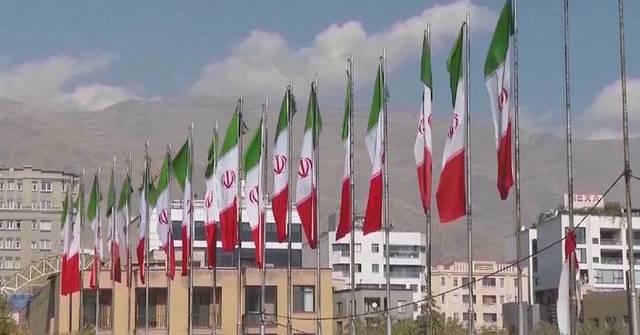
Iran Sends Negotiators to Switzerland as Israel Strikes Hezbollah in Lebanon
Key Takeaways
- Iran's negotiating team heads to Switzerland for US-Iran talks.
- US-Iran talks in Switzerland are delayed or canceled; Vance stays in the US.
- Israel continues strikes in southern Lebanon amid Hezbollah clashes.
Ceasefire frays in Lebanon
Iran’s negotiating team departed for Switzerland on Saturday (20 June) for talks with the United States as fighting continued between Israel and Hezbollah in Lebanon, with the Lebanon truce described as fragile after Israeli forces and Hezbollah attacked each other.
The Business Standard said Tehran’s Islamic Revolutionary Guard Corps declared the Strait of Hormuz shut, while it also cited the IRGC’s claim that Israeli “crimes” in Lebanon and a US violation of commitments were behind the move.

In Lebanon, The BBC reported that at least 20 people were killed by Israeli airstrikes on southern Lebanon less than 24 hours after a new ceasefire between Israel and Hezbollah was announced, including 16 killed in the Nabatieh district and seven in neighbouring Saida.
The BBC also reported that a family of four was killed in the town of Barich in southern Lebanon, and that the Israeli military said it struck “dozens” of Hezbollah targets after the group fired over 50 projectiles at Israeli forces in the region.
The Business Standard added that Lebanon’s health ministry said 4,057 people had been killed in Israeli attacks since March 2, including medics, women and children, as the US-Iran interim deal’s condition of halting fighting in Lebanon remained in play.
Blame and battlefield noise
As Israeli and Hezbollah forces traded accusations of ceasefire violations, Hezbollah said it had the right to “defend their land and sovereignty” in the face of ongoing Israeli attacks, while the BBC reported that the Israeli military said it had “struck dozens of Hezbollah terrorist infrastructure sites and terrorists in southern Lebanon”.
The Business Standard quoted Hezbollah’s side of the dispute through the Iran-backed group’s position that it would not allow Israel “freedom of movement” in Lebanon, even as Israel said it was responding to attacks from Hezbollah.

The BBC described the immediate human toll inside Lebanon’s hospitals, saying that at Najdi Hospital in Nabatieh, ambulances bypassed the emergency room and headed straight to the morgue, with bodies in white bags laid out on the floor.
A Red Cross first responder in Nabatieh, Ali, told the BBC that it was “the most intense night” he can remember, and said “deaths now are only a number for us.”
The Business Standard also reported that a US official said the truce took effect at 4pm (1300 GMT) on Friday, and that Israeli and Hezbollah sources confirmed the agreement to Reuters, even as fighting continued.
US-Iran talks at risk
The Business Standard said one of the conditions for starting 60 days of US-Iranian talks is a halt to fighting in Lebanon, while it reported that Lebanese Civil Defence said 20 people had been killed by Israeli strikes in Lebanon on Saturday hours after a truce there took effect.
The Guardian reported that Iran said it was closing the strait of Hormuz after waves of Israeli strikes in Lebanon, warning it could derail the fragile interim peace deal with the US signed just days ago, and it quoted Iran’s IRGC warning ships not to approach the strategic waterway.
The Guardian also quoted US Central Command’s denial, with Navy Capt Tim Hawkins telling Reuters: “Traffic continues to flow, and US forces are monitoring the situation to ensure this remains the case.”
In Washington’s diplomacy, The Business Standard said US Vice President JD Vance told Fox News he was confident the ceasefire agreed in Washington’s 14-point deal with Tehran would hold, and it added that he said he expected to leave “sometime in the next couple of days”.
Across the Lebanon front, The Guardian said the interim agreement calls for a cessation of hostilities on all fronts, including Lebanon, while it noted that neither Israel nor Hezbollah are signatories to the deal and that violence in Lebanon remained the main challenge to the new arrangement.
More on Lebanon

Iran Shuts Strait of Hormuz Over Israeli Strikes in Lebanon as U.S. Says Traffic Continues
10 sources compared

Iran Closes Strait of Hormuz After Israeli Strikes on Lebanon Ahead of U.S.-Iran Talks in Switzerland
12 sources compared

Israeli Strike Kills Lebanese Turtle Advocate Mona Khalil Near Tyre
13 sources compared
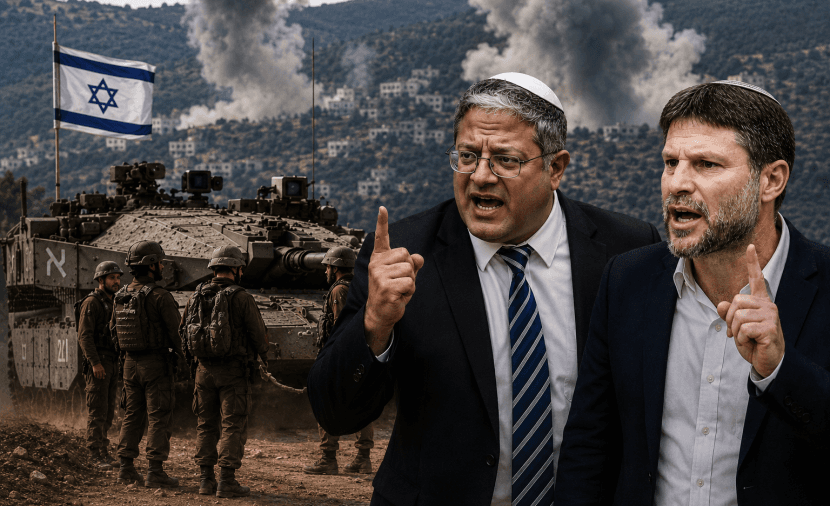
Yechiel Leiter Says Israel Halts Offensive Operations in Lebanon, Keeps Troops Until Hezbollah Is Dismantled
14 sources compared