Full Analysis Summary
Activist death sentence case
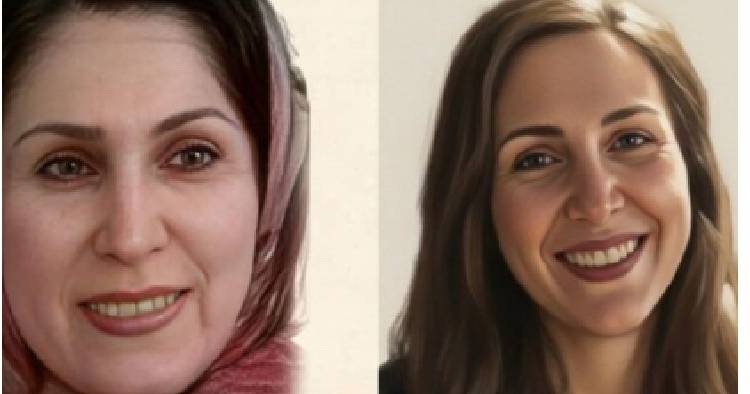
Zahra Tabari, an Iranian activist, was sentenced to death after a Revolutionary Court in Rasht convicted her of armed rebellion in October following a video-link hearing that lasted under ten minutes.
The BBC reports Tabari's conviction rested on what her family and UN experts describe as flimsy evidence, including a cloth reading 'Woman, Resistance, Freedom' and an unpublished audio message.
Her arrest allegedly occurred without a warrant, and she reportedly endured a month of solitary interrogation and was denied the lawyer of her choice.
Iran-focused reporting frames the case within a broader campaign of security prosecutions and high-profile arrests.
Officials claim they have detained a large network accused of working with Israel and have warned that some detainees could face prosecution, including possible execution for cooperating with a hostile state during wartime.
Coverage Differences
Tone and framing
BBC (Western Mainstream) frames Tabari’s case primarily as a human-rights and due-process concern, stressing the rapid, under-10-minute trial and UN experts’ characterization of the conviction as relying on flimsy evidence; ایران اینترنشنال (West Asian) situates Tabari’s case within a security narrative that emphasizes arrests of alleged networks and official warnings about prosecution for cooperation with hostile states, thereby foregrounding alleged security threats over the due-process critique. This contrast reflects BBC’s emphasis on legal procedure and UN commentary versus ایران اینترنشنال’s emphasis on state security claims and broader arrest campaigns.
Rights concerns in Iran
Human-rights experts and UN mechanisms have flagged Tabari’s case as part of a wider pattern of serious violations.
The BBC reports that UN Human Rights Council special rapporteurs and a working group said the case reflects a pattern of serious violations of international human rights law.
They also stressed that, under international law, the death penalty is limited to the most serious crimes such as intentional killing, which makes Tabari’s execution arbitrary.
Iran-focused outlets situate Tabari’s fate against a sharp rise in executions in the country, with rights monitors documenting steep year-on-year increases.
Coverage Differences
Narrative emphasis
BBC emphasizes UN experts’ legal assessment and the international-law limits on the death penalty, using language that frames Tabari’s potential execution as arbitrary; ایران اینترنشنال includes reporting on executions more from the perspective of state security prosecutions and cites international actors (for example the U.S. State Department) reporting on recent executions — highlighting different emphases: legal/rights-based critique (BBC) versus reporting on state security actions and broader execution tallies (ایران اینترنشنال).
Rise in Iranian executions
Tabari’s case comes amid rights monitors’ reports of a sharp rise in executions and national-security prosecutions across Iran.
The BBC cites Iran Human Rights as saying at least 1,426 people, including 41 women, were executed in the first 11 months of 2025 — a 70% year-on-year increase — and notes many were sentenced for drug- and national-security-related offences.
Iran International (ایران اینترنشنال) similarly reports rapid recent executions, highlights cases such as the execution of Aqil Keshavarz, and relays the judiciary’s account that some detainees may face prosecution and possible death sentences under wartime cooperation charges.
Coverage Differences
Detail and sourcing
Both sources report a surge in executions but use different figures and focal cases: BBC cites Iran Human Rights’ figure of at least 1,426 executions in the first 11 months of 2025 and highlights a 70% increase, while ایران اینترنشنال reports U.S. State Department and rights groups saying over 17 executions in 48 hours and cites a figure (from U.S. commentary) that over 1,800 people have been executed so far this year — showing variance in tallies and choice of exemplars (BBC uses broad NGO tally; ایران اینترنشنال highlights recent events and named security-related cases).
Reactions to Tabari case
International reactions have been sharply critical, with rights bodies and prominent women's figures publicly appealing for Tabari's release.
The BBC reports that more than 400 prominent women, including Nobel laureates and former heads of state, signed a public appeal organized by a UK group representing families of victims of Iran's 1988 mass executions and cites UN experts who call the conviction arbitrary.
Iran International quotes Iranian officials and judiciary figures who stress the complexity of alleged networks and the legal consequences for cooperation with hostile states, signaling Tehran's emphasis on security grounds for prosecutions.
Coverage Differences
Source-driven narrative
BBC (Western Mainstream) foregrounds international human-rights condemnation and organizes coverage around legal and moral objections to the death sentence, naming UN rapporteurs and a high-profile public appeal; ایران اینترنشنال (West Asian) foregrounds Iranian officials’ statements — including Hossein Shekarchi’s comment that reconstructing alleged networks “is not simple and requires years” and the judiciary chief’s restatement that detainees could face prosecution — showing how the source type shapes whether the coverage accentuates human-rights critique or state-security rationales. The BBC is reporting UN/NGO reactions and mobilization by prominent women, while ایران اینترنشنال reports official statements and the judiciary’s framing.