Iran Signals More Negotiations After United States Holds 'Very Good' Indirect Nuclear Talks in Oman

Iran Signals More Negotiations After United States Holds 'Very Good' Indirect Nuclear Talks in Oman

06 February, 202616 sources compared
Iran

Key Points from 16 News Sources

  1. 1

    United States and Iran held Oman‑mediated indirect nuclear talks in Muscat.

  2. 2

    Both sides described the talks positively and agreed to consult capitals and continue negotiations.
  3. 3

    Iran signalled potential concessions including joining a regional enrichment consortium and transferring its HEU stockpile.

Full Analysis Summary

Muscat talks summary

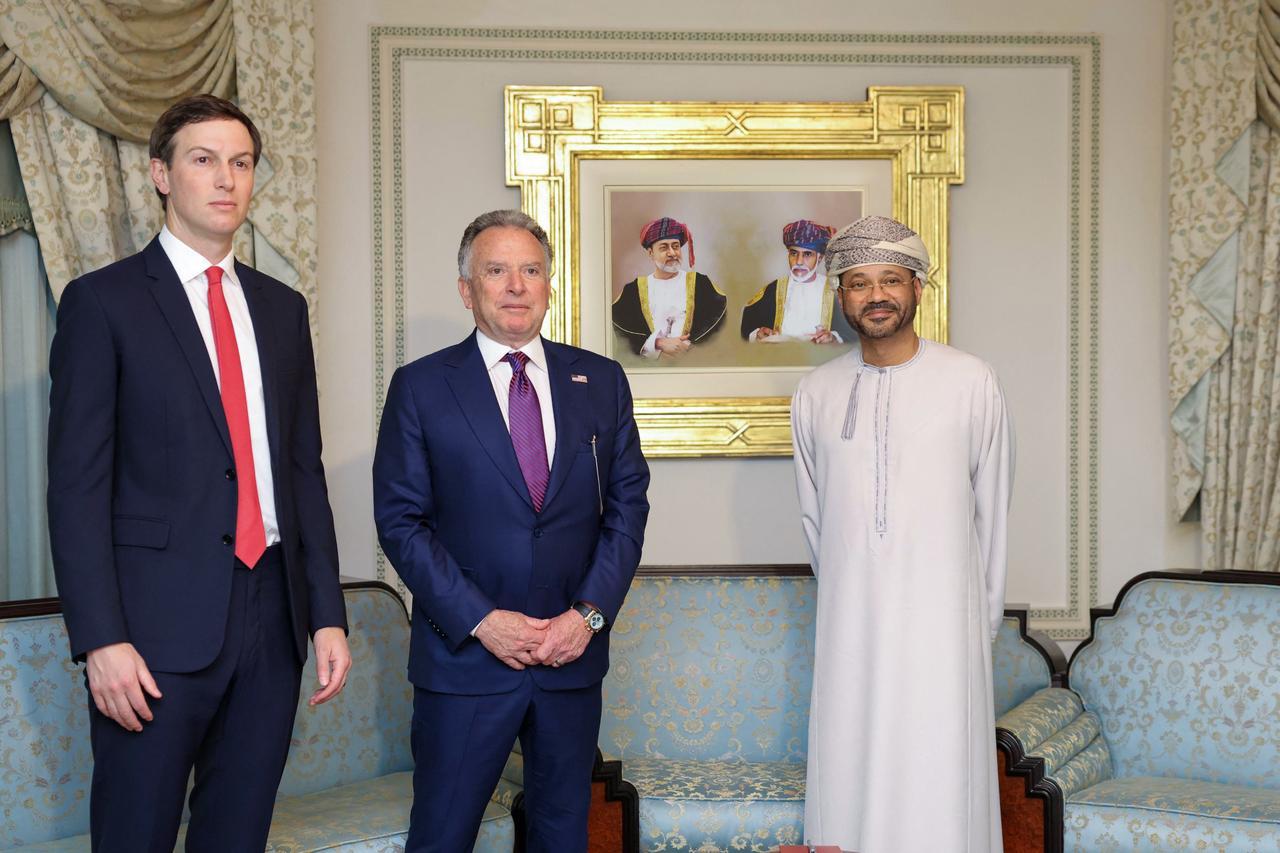
U.S. and Iranian officials met indirectly in Muscat, Oman, in talks brokered and facilitated by Omani Foreign Minister Sayyid Badr al‑Busaidi.

Participants described the meetings as a constructive opening and a potential channel for further diplomacy.

Iran’s deputy foreign minister, Abbas Araghchi, called the exchanges a "very good start" in several accounts.

Delegations paused to consult their leaders before agreeing to any formal follow‑up.

Reports describe the meetings as limited, preparatory contacts intended to prepare conditions for more substantive diplomatic and technical negotiations rather than to finalize arrangements immediately.

Coverage Differences

Tone and emphasis

Western mainstream outlets emphasize the procedural, preparatory nature of the talks and highlight caution — for example The Guardian (Western Mainstream) notes negotiators paused to consult leaders and called the sessions "very serious" and "a very good start." By contrast, several West Asian sources present the talks more straightforwardly as a reopening of channels — Türkiye Today (West Asian) reports the talks "have concluded" and Dimsum Daily (Asian) stresses a shared intention to "keep the channel open." These nuances reflect different editorial emphases on process vs. forward momentum.

Iran and Oman talks

Several sources reported both sides signalled willingness to keep lines open.

Oman expressed hope the exchanges could produce a framework for further negotiations.

Iran said any follow-up would depend on consultations in Tehran.

Omani officials framed the meeting as setting suitable conditions for resuming talks.

Iran's Araghchi described the atmosphere as constructive but insisted follow-ups depend on capitals and on conditions such as talks proceeding without threats.

Coverage Differences

Narrative focus

Omani and Iranian accounts (West Asian sources like Dimsum Daily and AL‑Monitor) emphasize mutual intent to continue and constructive atmosphere; Western mainstream reports (The Guardian, Boston Globe) include that both sides paused for consultations and stress unresolved gaps on agenda scope and sanctions. This shows West Asian outlets foreground process and continuity while Western mainstream highlights political constraints and the need for capital‑level endorsements.

Diplomatic contacts amid U.S. resolve

The diplomatic contacts took place against a visibly tense security backdrop and public displays of U.S. resolve.

Multiple outlets reported U.S. preparations and stern warnings.

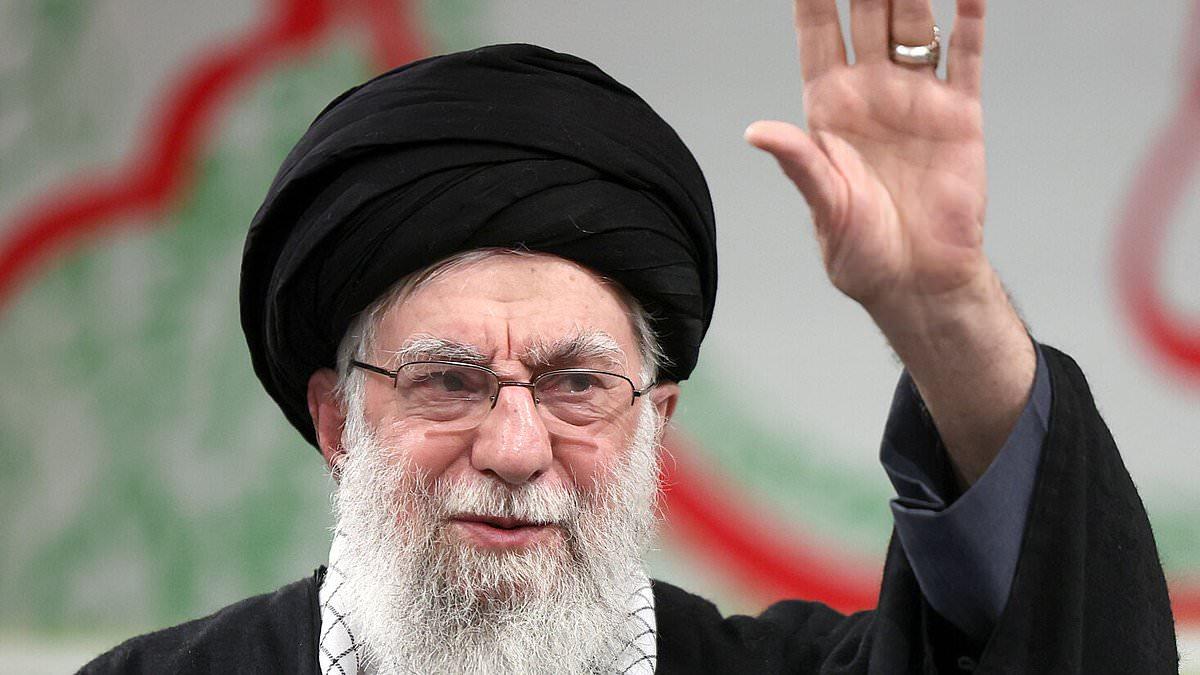
President Trump reiterated a hard-line posture, warned Iran's supreme leader that he "should be very worried," and the White House underlined options ranging from diplomacy to military measures, with some accounts saying U.S. forces were readied nearby to underscore that the dialogue unfolded alongside a show of hard power.

Coverage Differences

Tone and risk framing

Mainstream Western and West Asian reporting (Gulf News, Fox News, Daily Mail) emphasize U.S. military readiness and strong presidential rhetoric — Gulf News notes Trump "reiterated a hard-line stance" and the preparation of a naval strike group, while Daily Mail highlights evacuation advisories and the White House push for "zero nuclear capacity." Other outlets (AL‑Monitor) report the same warnings but frame them within the larger context of recent escalations since 2018, giving more historical context than tabloid outlets’ alarmist tone.

Nuclear talks and tensions

Key policy gaps remain visible: Tehran insisted the meetings be limited to its nuclear programme and conditioned follow‑ups on the absence of threats, while Washington has pushed to widen the agenda to include ballistic missiles and regional activities.

Some envoys reportedly floated a three‑year halt to enrichment and shipping out highly enriched uranium (HEU), while Iran rejected proposals to export its uranium and resisted limits on missiles.

At home, Iran’s crackdown on protests and economic strain shape Tehran’s negotiating space.

Coverage Differences

Substantive disagreement / missed information

Western mainstream reporting highlights the negotiation standoff between nuclear scope vs. broader demands — The Guardian explicitly states Washington sought to expand the agenda to missiles and regional activity, while Iran insisted on limiting talks to the nuclear programme. West Asian and local outlets (Boston Globe, Dimsum Daily) also record specific third‑party proposals (Egypt/Turkey/Qatar) and Iran’s rejection of them; this detail is present in some outlets but omitted in others, producing varying reader impressions about how far apart the sides are.

Mixed outlook on talks

Observers and outlets differed on the outlook and tone of risk.

Some described the session as a rare opening with hope for a framework and quick reconvening.

Others warned the talks may founder on core disagreements or be overshadowed by recent strikes, sanctions, and domestic repression in Iran.

Reporting remains partly inconsistent over whether the indirect meetings formally began or were only expected to start.

Several sources stress that any progress depends on consultations in capitals, meaning signals of more negotiations are provisional and contingent.
Coverage Differences

Uncertainty and framing

The Guardian (Western Mainstream) explicitly notes conflicting reports on whether the meetings formally began or were only expected to start, reflecting uncertainty. AL‑Monitor (Western Alternative) similarly frames the talks as short and contextualizes them within a string of escalations since 2018. Tabloid coverage (Daily Mail) emphasizes evacuation advisories and dramatic language like the White House’s "zero nuclear capacity" goal, producing a more alarmist framing than outlets that stress cautious optimism.

All 16 Sources Compared

Al Jazeera

Trump hails ‘very good’ Iran talks but maintains threat of military action

Read Original

AL-Monitor

Iranian FM says US-Iran nuclear talks in Oman 'a good start'

Read Original

BBC

Talks with US set to continue after 'good beginning', Iran's foreign minister says

Read Original

cbsnews

Iranian minister says "very positive atmosphere" with U.S. on nuclear talks

Read Original

dailymail.co.uk

Iran hails 'a good start' to peace talks with the US - despite warning American citizens to leave the country

Read Original

Dimsum Daily

Iran hails ‘good start’ after indirect nuclear talks with U.S. in Oman

Read Original

Evrim Ağacı

Gold Rush Sweeps Iran As Currency Collapses

Read Original

Fox News

Iranian official says nuclear talks will continue after US, Tehran negotiations had 'a good start' in Oman

Read Original

Gulf News

Trump hails US talks with Iran in Oman 'very good,' more negotiations expected

Read Original

i24NEWS

High Stakes U.S.-Iran Talks In Oman Kick Off, Iranian Media Says | LIVE BLOG

Read Original

kurdistan24.net

After Muscat Talks, Iranian FM Says they Agreed with U.S. to Continue Diplomatic Process

Read Original

PressTV

Iran engages in negotiations, sustained by national power, public backing: Senior lawmaker

Read Original

PressTV

Iran FM declares ‘good start’ as US–Iran talks conclude in Muscat

Read Original

The Boston Globe

Iran’s top diplomat says indirect US-Iran talks in Oman were a ‘good start’

Read Original

The Guardian

Iran’s foreign minister says talks with US were ‘ a very good start’ but are ‘over for now’ – as it happened

Read Original

Türkiye Today

Iranian FM hails US talks in Oman as ‘good start’

Read Original